

For Sarah Lindsay, founder of Sala Studio, collecting did not begin in galleries or through conventional pathways, but in small, instinctive acts of care. Growing up without access to the art world, she found her way to it through improvisation, shaping meaning from what was available and learning early that living with beauty could be an act of devotion. Today, her approach to collecting remains deeply personal and relational, grounded in community, storytelling, and a belief that art is not about status, but about connection, memory, and the quiet rituals of everyday life.
Image Credits: Larnie Nicolson, Home Style
___
How did collecting art first enter your life?
I grew up on a small British council estate where galleries were not part of our lives, but my mum would save the free catalogues and I’d make collages for my bedroom walls. I think that was my first act of stewardship. I did not own the works, but I rearranged them, and borrowed fragments of beauty.
I have always felt compelled to make spaces feel held and intentional, because to adorn a space is, in many ways, a form of devotion. As I found my way into creative communities, collecting became deeply relational. I am incredibly lucky to have friends who create, and we live an economy of exchange, trading skills, services, time, and care, so I started a collection with little more than pennies in my pocket. When I eventually had access to disposable income, my husband and I decided to stop exchanging anniversary or birthday gifts and instead created a shared art fund, something we contribute to collectively so that the works we bring into our home feel like part of our shared story.

How does art sit within your home and daily life?
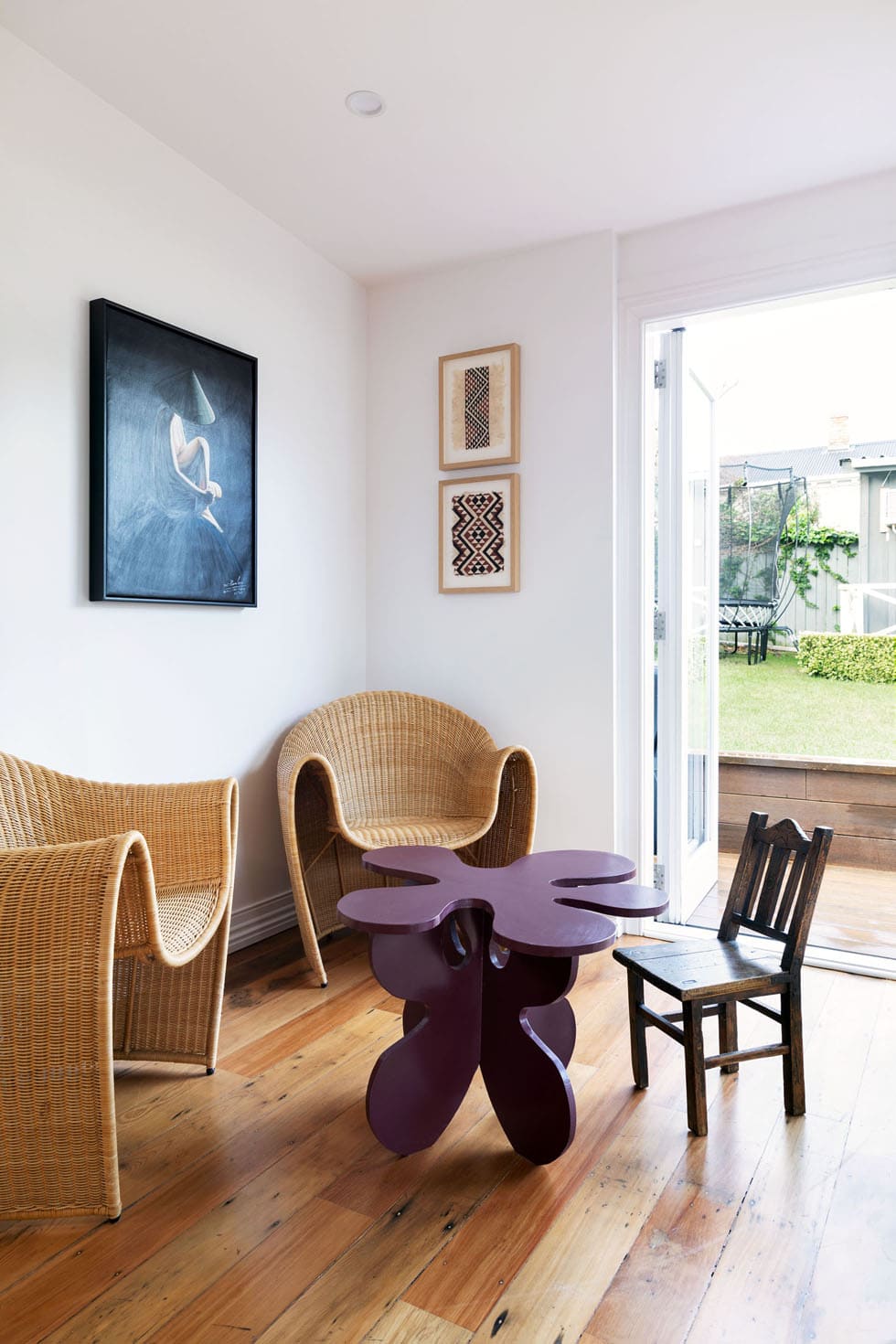
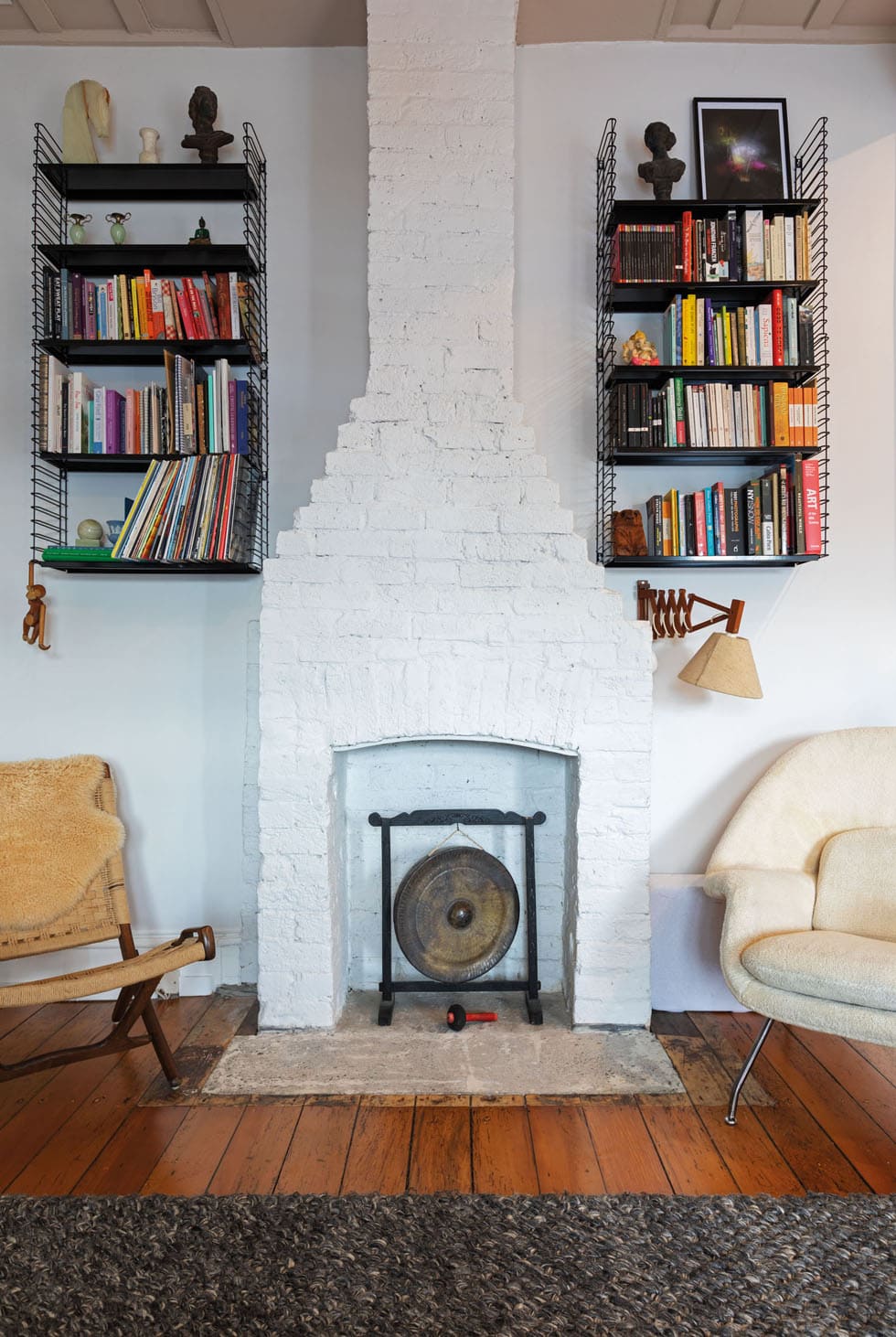
Art is woven into the everyday fabric of our home. My daughter, O, is growing up surrounded by the fruits of female creative labour, and many of the artists on our walls are women she knows personally. There is something profoundly normalising about that closeness, because creativity is not abstract or elevated beyond reach for her, it is embodied and relational.
The works hold me in my current landscape of Tāmaki Makaurau, acting as threads that connect me to this place, to the women shaping it, and to the conversations unfolding here. Art is not decorative in our home, it is part of our family ecology.
Has your perception of collecting changed over time?
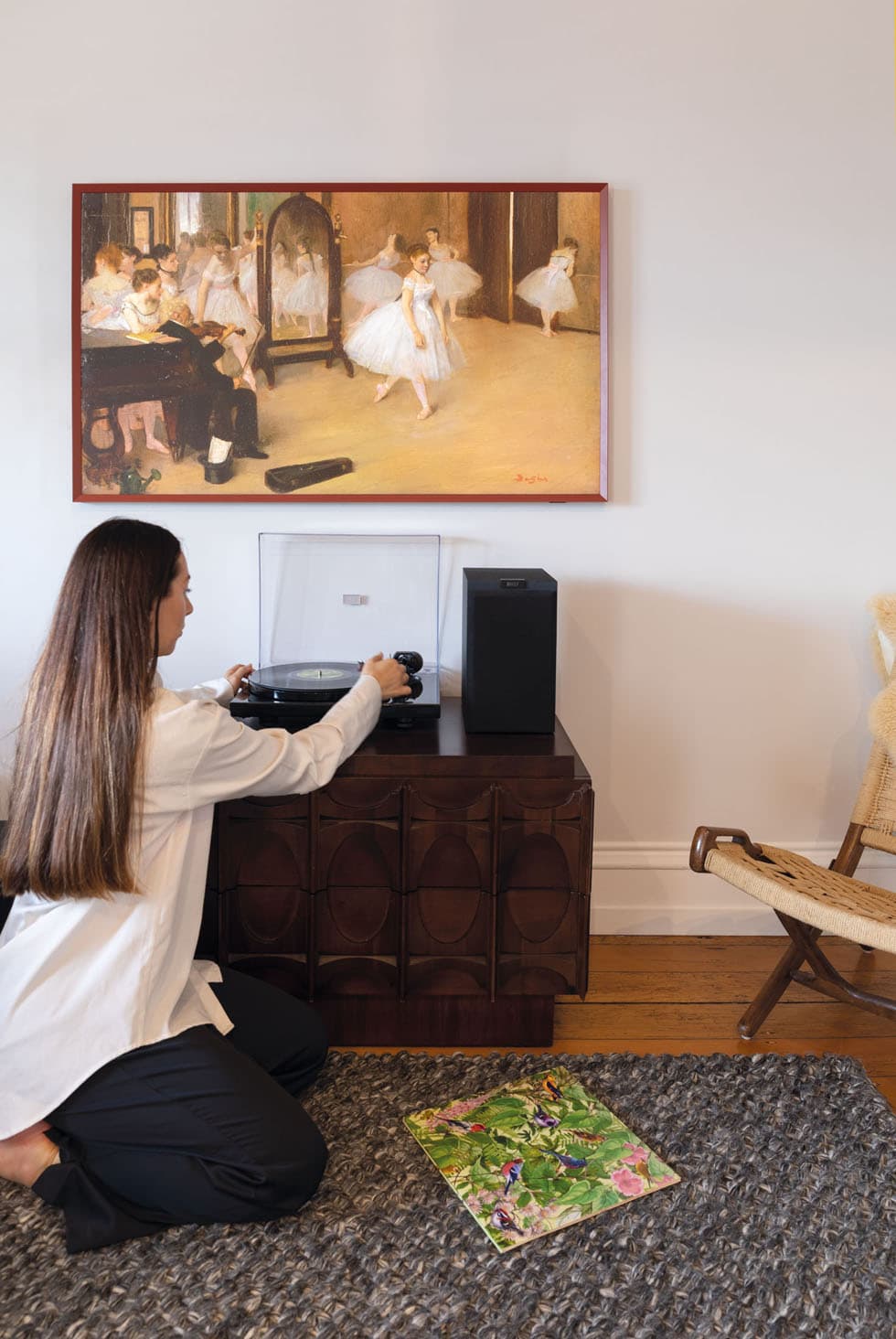
Completely. For a long time I carried the belief that art belonged to certain people, educated people, wealthy people, people who felt at ease in cultural spaces, and it took me years to feel that I deserved to live with art, and that what moved me genuinely counted. Growing up impoverished is not only about money, it is about proximity to possibility. When you are not exposed to certain worlds, you internalise the idea that they are not yours, and I had to unlearn that, and in many ways I still am. Now I see collecting as something deeply human. We have always gathered, shells, stones, letters, ticket stubs. Saving and savouring is intrinsic to us. Art is simply an extension of that instinct. It is not about status, it is about saying, this moved me, and I want to live beside it.
Are you instinctive when you buy works, or do you sit with decisions? Is there a common thread?
I am instinctive first, yet instinct is always followed by a kind of courtship. Before I commit, I spend time researching the artist, understanding who they are, what they stand for, and which conversations they are entering. I want to understand the ecosystem of their practice, because if I am bringing their work into my home, I want to know that I can be a thoughtful custodian of their story.
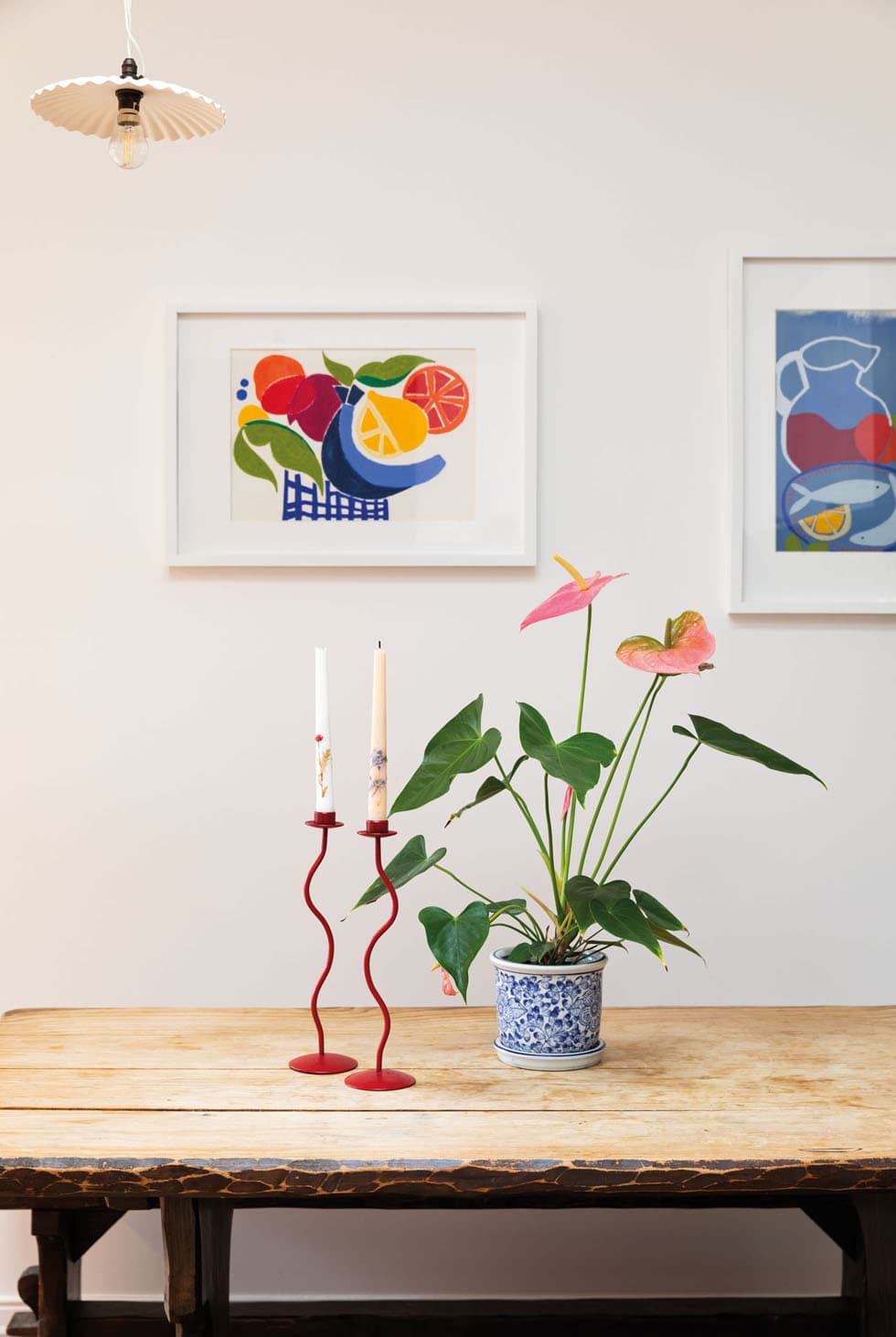
There is a thread that runs through my collection, women, narrative, figuration, material play, yet I did not impose that coherence. It revealed itself gradually. I am often drawn to work that sits between contemporary and classical languages, a fruit bowl turned upside down, a portrait built up in thick oil so textured it feels almost alive, fabric used where you might expect paint, gestures that carry history while also disrupting it.
What role do art fairs play in how you discover and connect with artists?
Art fairs are vital because they collapse distance. Standing in front of a work allows you to feel its scale, its physicality, its energy, and often to meet the gallerist or the artist themselves, which brings a human dimension that cannot be replicated online.
Last year at the fair I bought a veil by Jade Townsend, even though I had firmly told myself that I was not in a position to purchase anything. It was the first booth and the first piece I saw, and I knew immediately that I could not leave without her. That is the power of encountering work in real life, it bypasses the rational mind and speaks directly to something instinctive.
Practically speaking, tools like My Art also make collecting more accessible, because being able to purchase slowly and interest free removes some of the intimidation and allows more people to participate in patronage in a sustainable way.
Do you approach a fair with intention, or let yourself be led?
I am on a dating app at the fair, I am looking, yes, but I am also open to being chosen. I am searching for something that might find me as much as I am seeking it out. There is something symbolic in that exchange, because the right pieces and the right artists are also looking for custodians who will live with their work attentively. I try to remain porous enough to be surprised.
What advice would you give to someone at the beginning of their collecting journey?
-
Begin with curiosity rather than confidence. Ask questions, speak to gallerists and artists, and allow yourself to discover artists you may never have heard of before. Remember, these people want you to engage with art. They will not shame you for asking questions although it can feel alien or scary to many of us.
-
Buy what genuinely moves you and try to ignore the external noise about what a collection should look like. Let your home fill slowly, live with fewer pieces, and notice what continues to resonate before adding more.
-
Work within your means, honour your budget, and reject imposter syndrome, because you do not need permission to love something.
-
Follow an artist if you love them. Just because it’s not in your budget now, you never know what the future holds. Sometimes they have fundraisers or auctions where you can find work cheaper and sometimes something that seemed unattainable becomes achievable for you.
Collecting, at its best, is an act of care. It is a quiet way of saying that this story matters, this voice matters, this moment in time matters, and that you are willing to live alongside it.
Learn more about Sala Studio
Aotearoa Art Fair returns to the Viaduct Events Centre from 30 April – 3 May. Tickets are on sale now.


