

Horizons: Emerging Artist Sector
PRESENTED BY

Presented by Chapman Tripp, Horizons highlights new-generation and unrepresented artists from across Aotearoa and the Pacific.
Horizons 2026 features four booths curated by Dan Ahwa, Matthew Galloway, Chevron Hassett and Becky Hemus — and is facilitated by Becky Hemus, publisher and editor-in-chief of Current art magazine.
HORIZONS BOOHTS
Curated by Becky Hemus
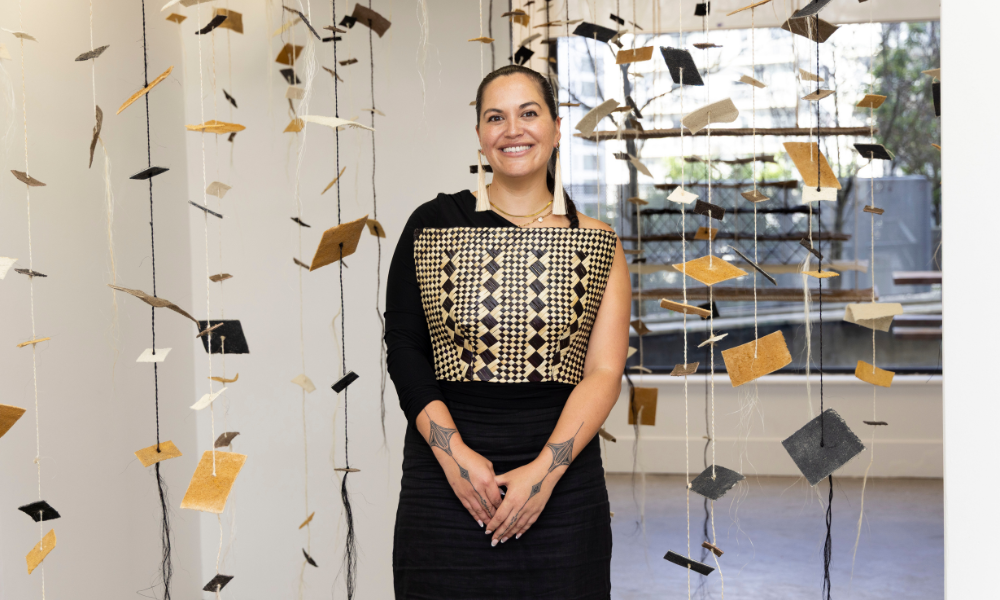
Featuring Nadia Marychurch
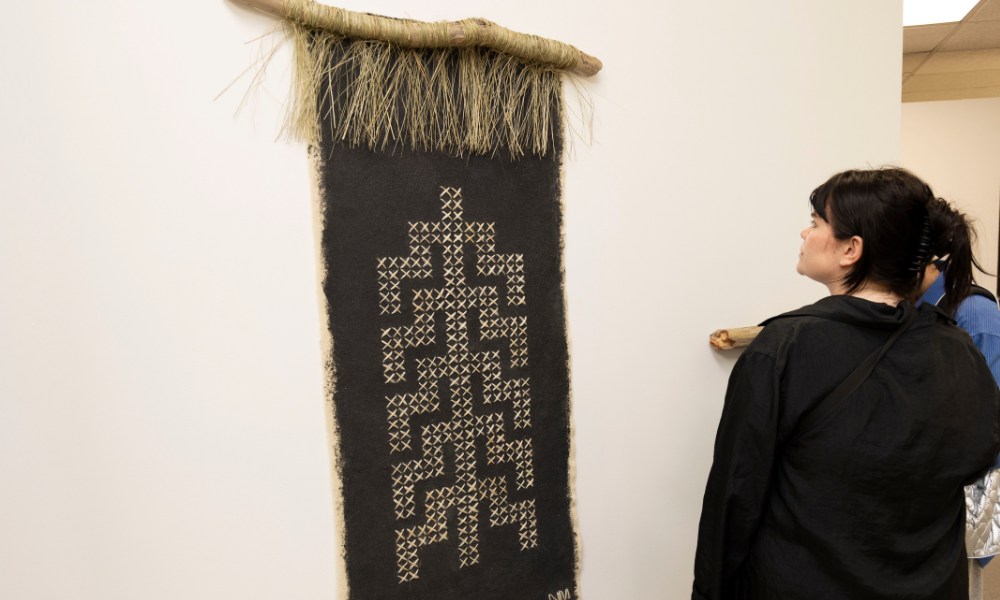
‘He Haerenga Whenua’ references the gathering journeys that sit at the heart of Marychurch’s practice. Walking the shores of Matakana Island, she searches for the materials that will become part of the work — clay, sand, driftwood, and fibre — guided by intuition, memory, and tohu from the land and her tīpuna.
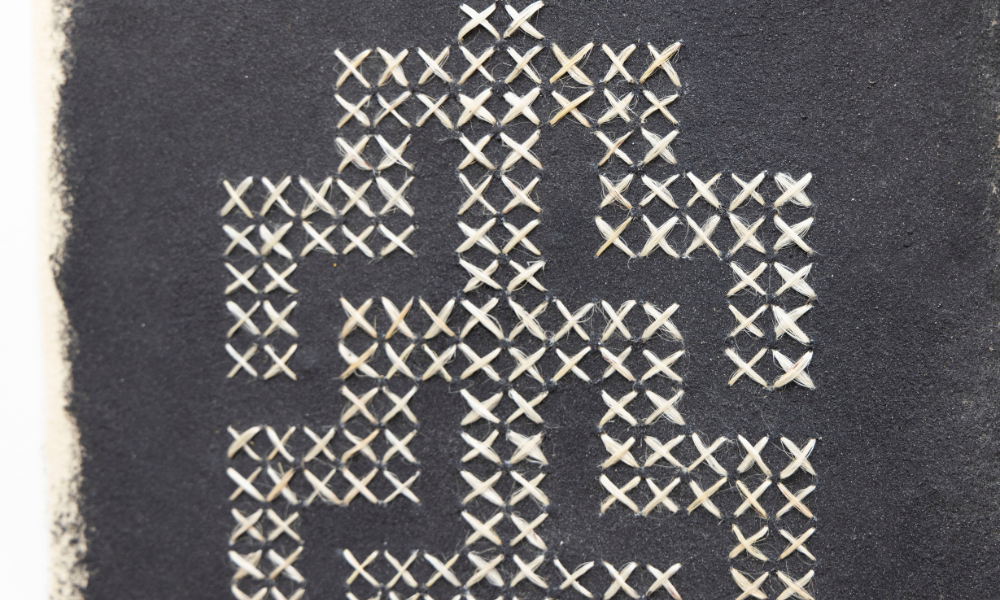
In this new body of work, repurposed woollen blankets are coated with whenua and stitched with muka into reimagined tukutuku patterns that speak to pathways of learning, ascent, and whānau. Some works are suspended from driftwood gathered along the shoreline, carrying the rhythms of tide and wind. Others are framed within hand-formed uku — earth shaped and fired from Matakana clay — grounding the works both physically and conceptually in the land from which they emerge.
ABOUT THE ARTIST
Nadia Marychurch (Ngāi Te Rangi, Ngāti Raukawa) works with whenua to explore whakapapa as something living, layered and held in material form. Drawing from her tūrangawaewae of Matakana Island, she gathers white uku, golden uku and iron-rich black sand carried from nearby Tuhua (Mayor Island), returning these materials to the studio through traditional processing and pit firing. She is a recent graduate of Whitecliffe.

Curated by Chevron Hassett
Featuring artists Jimmy Ma’ia’i, Lolani Dalosa, Harrison Freeth, Chevron Hassett
SPADES brings together four exciting emerging artists — Harrison Freeth, Jimmy Maai’i, and Lolani Da Sosa. The booth transforms into a pop-up Hāngī-inspired fundraiser, offering limited-edition packs that bundle one work from each artist into a single collectible set. With daily raffle draws and exclusive prizes, SPADES explores the intersections of exchange, value, and cultural commodity, turning art collecting into a participatory experience. Only a set number in stock — get ’em while they’re hot.
“For Horizons, I wanted to share some of the ideas that I hear artists speaking about — what they see as being influential or innovative within their cohort. Each of the booths is centred around the proposition, What art do you see defining the moment of now, what feels prescient to you?”
Curator, Becky Hemus
Curated by Matthew Galloway
Featuring Ed Ritchie and Megan Brady
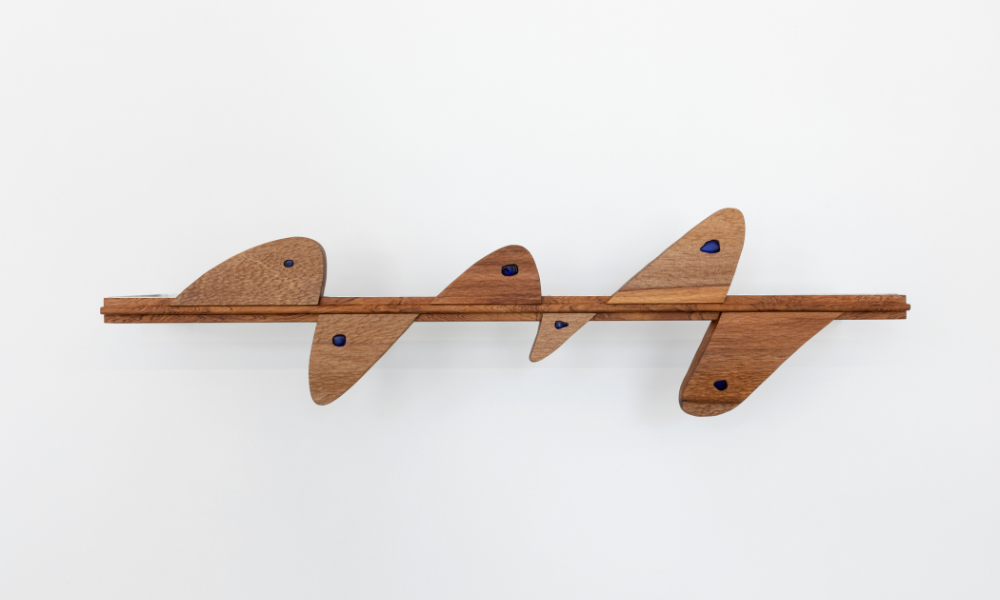
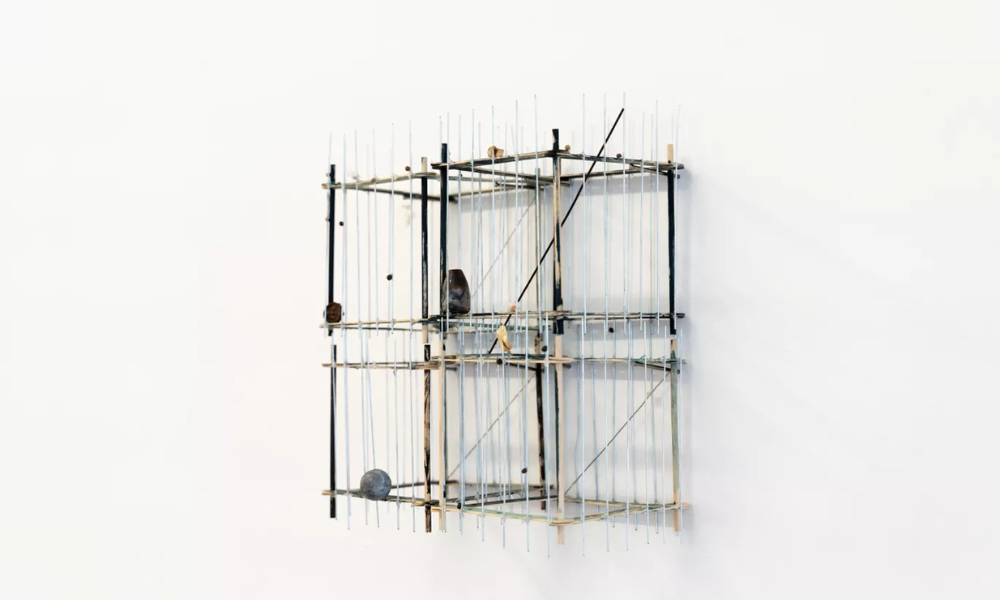
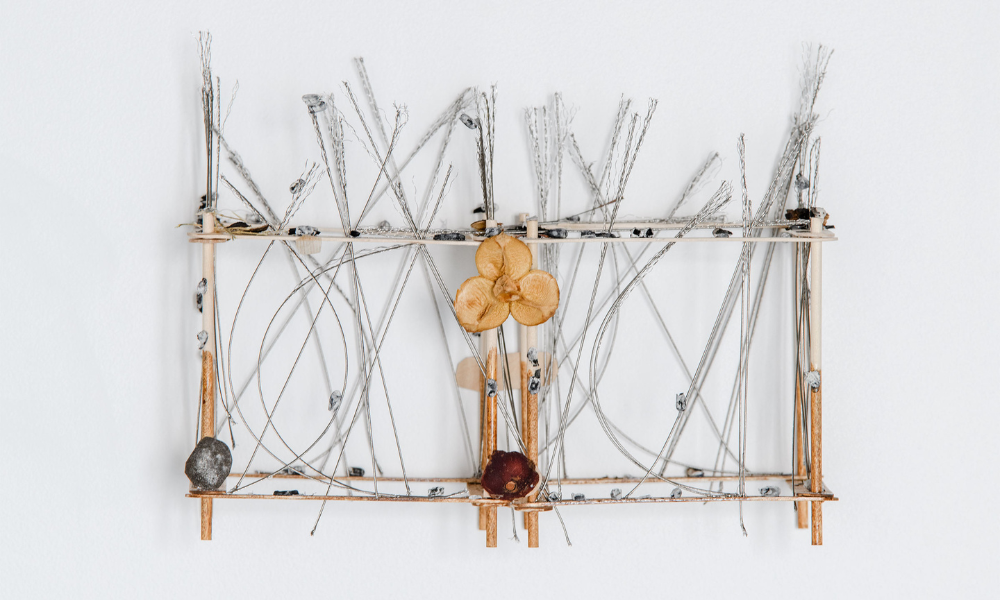
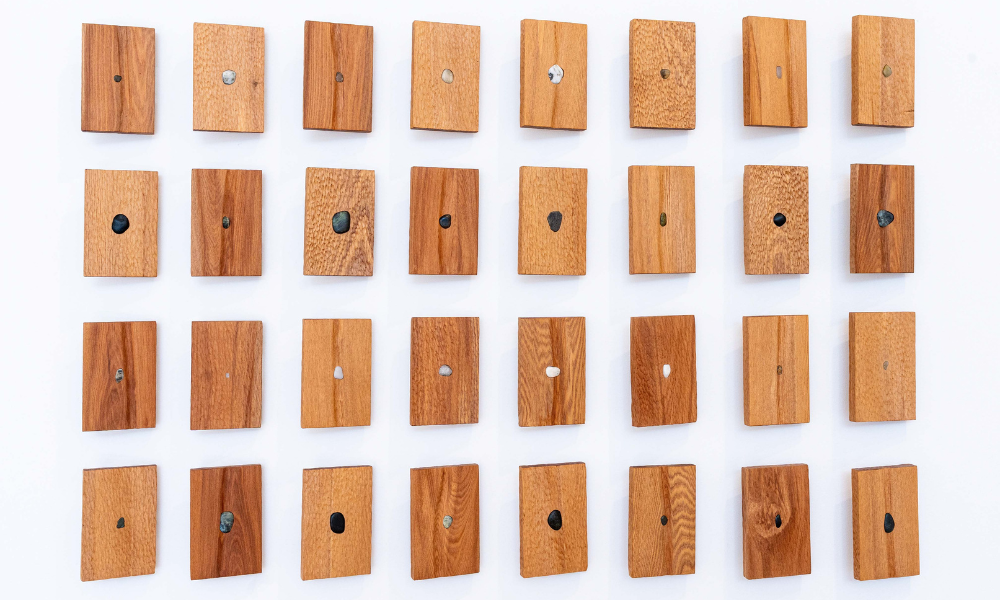
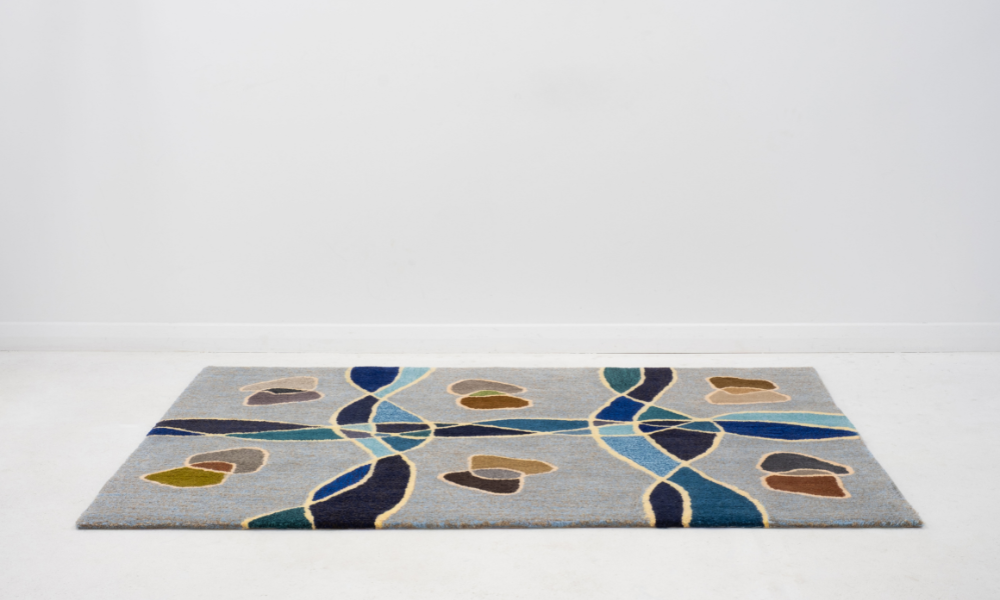
‘Support Play’ brings together the practices of Ed Ritchie and Megan Brady to form a dialogue about the precarious properties of both natural and artificial materials.
Ritchie’s work begins with the unique storage properties of various organic materials like burl wood, peat moss and seed encasings — using them to fabricate small-scale models of everyday infrastructure; commenting on the impulse to contain and preserve.
Meanwhile, Brady removes warp and weft threads from European Flax Linen using a technique inherited from her Nan, creating apertures through subtraction. The works meditate on tightly bound systems — colonial structures, naming conventions, whakapapa — and gently loosen them.
In both bodies of work, careful attention is paid to support systems and modes of presentation, again making these considerations integral to the work itself, and the connections and divergences between the two practices reflect a sustained history of collaboration and shared involvement in the contemporary art scene in Ōtepoti, Dunedin.
ABOUT THE ARTISTS
Ed Ritchie’s practice largely involves site considered installation and sculpture. His work centres around specific material properties, their interactions with environments and the ways in which we try and understand the invisible infrastructures that operate around us.
Megan Brady (Kāi Tahu – Ngāi Tūāhuriri, Pākehā) is an Ōtautahi-based artist working across installation, textiles, and site-responsive practice to explore how we navigate and connect with place. Her works often begin with deep engagement in whenua, whakapapa, and family archives, tracing the rhythms and materials that shape our environments. Through sensory, spatial installations, Brady creates contemplative spaces for reflection and reconnection.
Curated by Dan Ahwa
Featuring Isaac Te Awa, Vivian Arthur Hosking-Aue, Pamata Toleafoa, Stevei Houkāmau, Sofia Tekela-Smith, Sulieti Fieme’a Burrows, Selina Shanti-Woulfe
The concept of Gafa in Samoan culture refers to lineage: ancestral relationships, kinship ties, collective genealogical connections, and the responsibilities we hold within our wider community.
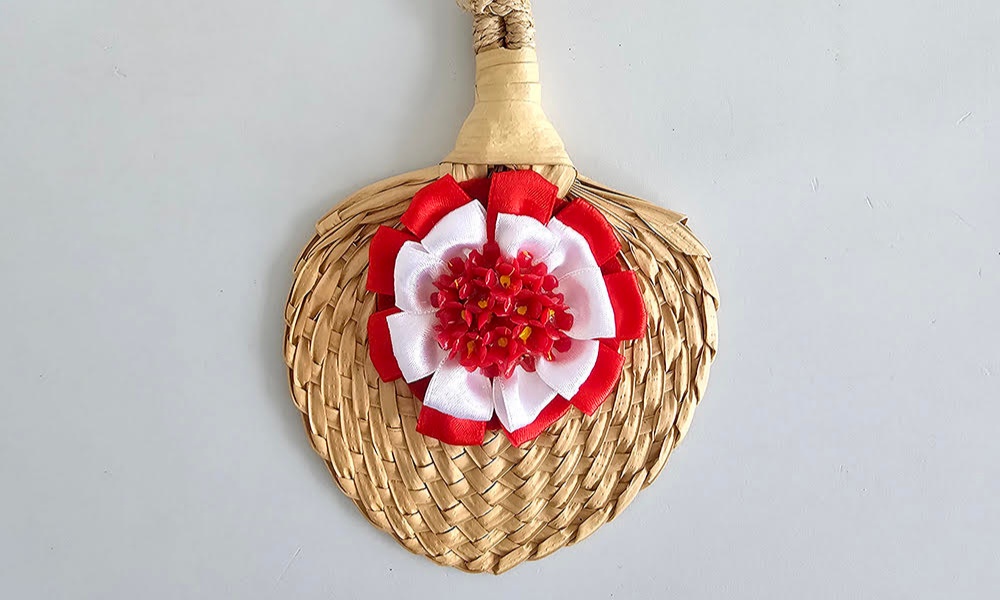
Grounded in this understanding, curator, creative director, and journalist Dan Ahwa presents a series of selected works documenting seven artists engaged in contemporary expressions of taonga/measina (treasures), offering his interpretation of Gafa.
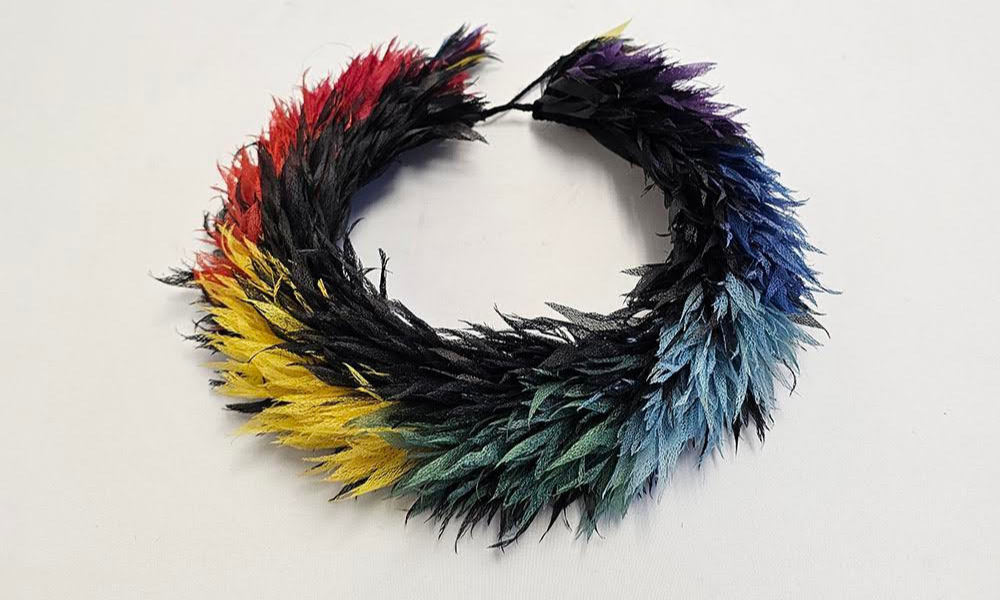
Gafa foregrounds seven artists exploring identity, heritage, and the evolving language of adornment — and how these expressions are carried across generations, through time and space, and between the physical, digital, and spiritual realms. Within Pacific cultures, adornment is never purely decorative; it is a language of identity, lineage, and belonging. Featuring works by Isaac TeAwa, Vivian Arthur Hosking-Aue, Pamata Toleafoa, Stevei Houkāmau, Sofia Tekela-Smith, Sulieti Fieme’a Burrows, and Selina Shanti-Woulfe, the series reflects each maker’s ancestral roots, reinterpreted through a contemporary editorial lens.
Focusing on works created for the head and neck — among the most sacred parts of the body in many Pacific cultures — the exhibition brings together pieces that balance cultural continuity with individual expression. From sculptural ceremonial forms to finely hand-worked fibre works, each piece reflects a deep relationship to heritage, material, and form.
In addition, these works are documented as passport-style portraits of an emerging cohort of Pacific creatives whose practices are connected to the concept of gafa through their work as established and emerging artists, makers, and community leaders, photographed in collaboration with leading contemporary artist, photographer, and 2027 Walters Prize finalist Edith Amituanai. This includes Walters Prize-winning New artist Luke Willis Thompson; journalist, artist, and community leader Taualofa Totua; rising photographer Christian Turner; mixed media artist and DJ AJ Fata; and painter Nita Faletagoai.
Through this framing, Ahwa and Amituanai position the work through a tuakana–teina relationship, honouring our ancestorsmigration to new lands while maintaining deep connection to where they come from through these measina and the stories they hold for a new generation finding their own understanding of lineage.
In turn, Gafa becomes both a significant record and a reflection — a shared space where these treasured taonga/measina embodycontinuity, memory, and belonging to the person they ultimately adorn
ABOUT DAN AHWA
Dan Ahwa is a Tāmaki Makaurau-based writer, editor, and creative director working across fashion, culture, and contemporary visual storytelling. Formerly Fashion and Creative Director of Viva, he has played a significant role in shaping editorial narratives that centre Aotearoa’s creative identity and emerging talent. His practice sits at the intersection of image-making, curation, and cultural commentary, with a sustained focus on how fashion and art reflect identity, place, and storytelling in Aotearoa. Building on a long-standing editorial engagement with adornment, Ahwa has consistently explored it as a central visual and conceptual language across his work. Through mass media, editorial platforms, and exhibitions, he has used adornment as a lens to examine contemporary Pacific expression and the relationship between body, object, and image. His earlier exhibition, Moana Currents: Dressing Aotearoa Now, co-curated with Doris de Pont, similarly foregrounded contemporary Pacific perspectives within Aotearoa’s cultural landscape. danahwa.com
ABOUT EDITH AMITUANAI
Edith Amituanai is a leading contemporary photographic artist based in Tāmaki Makaurau, whose practice centres on intimate portrayals of Pacific life in Aotearoa. Of Samoan heritage, she is widely recognised for her nuanced exploration of community, identity, and the idea of home, often working closely with her extended family and local networks in West Auckland.
Working across documentary and staged photography, her images capture the textures of everyday life — domestic interiors, social rituals, and intergenerational relationships — while quietly challenging dominant narratives around place and belonging. Her work is held in major public collections including Auckland Art Gallery Toi o Tāmaki and the Museum of New Zealand Te Papa Tongarewa. She is the recipient of the Marti Friedlander Photographic Award and was appointed a Member of the New Zealand Order of Merit for services to photography and community. Amituanai was also named a finalist for the 2027 Walters Prize for her work Vaimoe (2024), first presented in Toloa Tales at Christchurch Art Gallery Te Puna o Waiwhetū. Her practice remains grounded in collaboration and community, positioning her as a vital voice in contemporary Pacific art and one of Aotearoa’s most significant photographic artists. edithamituanai.com