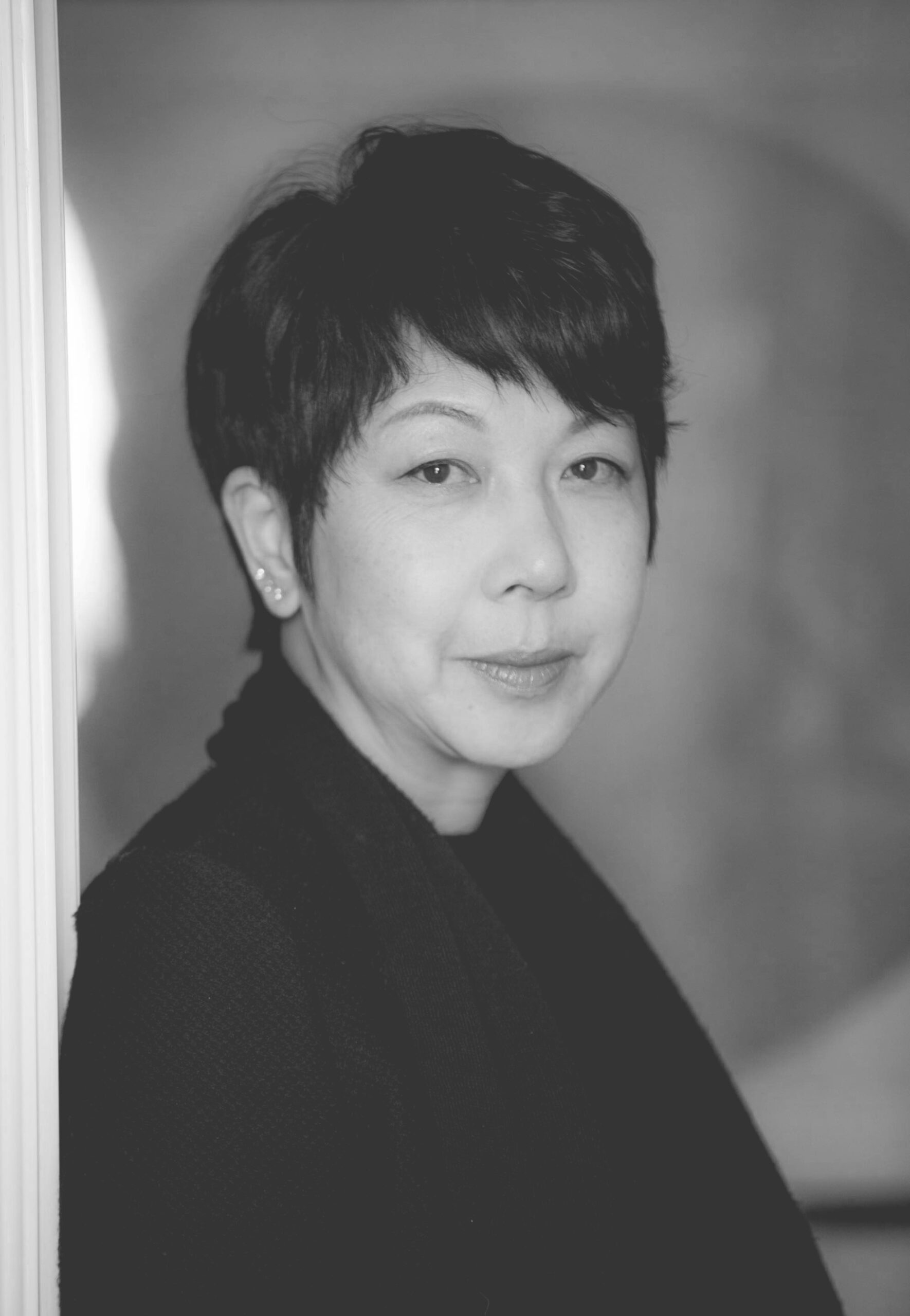
With more than two decades of experience across Singapore, Beijing, New York, Jakarta and Sydney, Nancy Nan has built a career connecting artists, galleries and audiences across the Asia Pacific. As Director of REDBASE Art Sydney and REDBASE Foundation Yogyakarta, she champions emerging and established Chinese and Indonesian contemporary artists, creating opportunities for cultural exchange and international recognition. We spoke to director Nancy Nan on the evolving Asian art scene and the importance of cross-cultural connections.
You’ve spent more than two decades working across the contemporary art scenes of Singapore, Beijing, New York, Jakarta and Sydney. How has working across these different cities shaped your perspective on the international art world, and what has kept you working across these contexts?
People always asked me, “Where are you based?” Because I kept opening galleries in new cities, it was hard to answer. My answer became that you should not be based in a location, but in a passion. That is how REDBASE got its name: red, the colour of passion. For me, I am deeply passionate about the new languages of art between different cultures in the Asia Pacific. I was the director of the first Chinese specialist gallery in Singapore, and I built the second contemporary gallery in Factory 798, Beijing. I then directed the pioneering Chinese contemporary gallery Eli Klein in New York, where I brought the next wave of Chinese artists to North America, many of whom became global superstars with works in major institutions. I have built longstanding personal relationships with these artists, exhibiting Li Hongbo, Shen Shaomin, Gao Rong, Geng Xue and Zhang Dali.
Working between Singapore, Beijing, New York, Jakarta and Sydney gave me extraordinary knowledge and experience of how contemporary art was promoted within both the critical and transactional commercial markets. I did this when the Asian art market was being established internationally. For me, this was important as I firmly believe that art functions beyond borders, speaks across cultures and connects communities globally.
During my career, I moved to six different cities to build three major galleries specialising in Chinese contemporary art across different cultures and markets. In each gallery I have directed, I opened international branches and participated in more than fifty art fairs.
What I discovered about the international art market was how insular each place was. Each location had a set of rules, and I had to learn them fast. I kept working across these contexts because I like building things. It brings me joy and a challenge. Also, I don’t know how to do anything else.
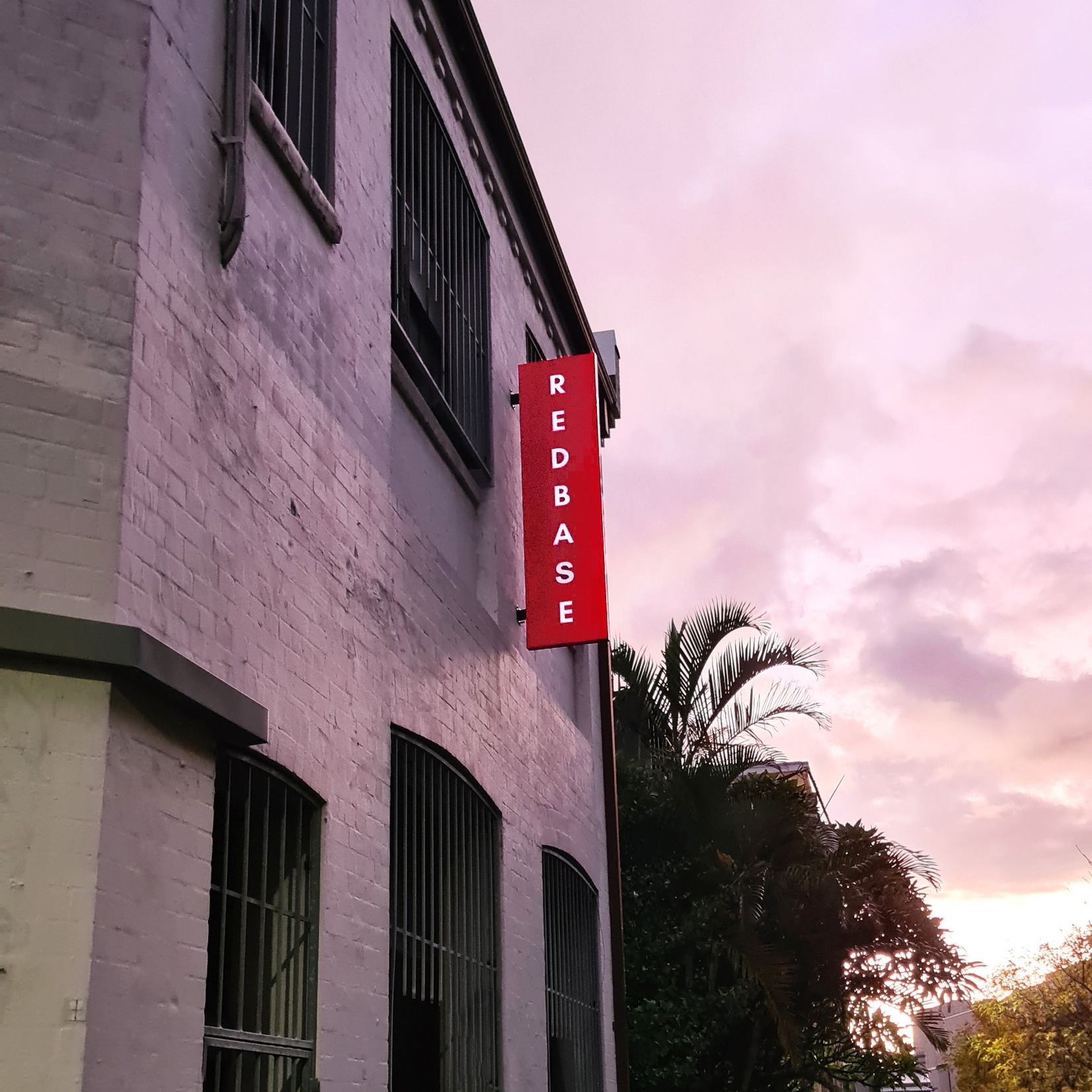
REDBASE Art focuses on Chinese, Indonesian and Asian-Australian artists, with an aim to broaden the way Asian contemporary art is understood in Australia. What gaps or opportunities did you see in the Australian art scene that led you to establish the gallery?
When I relocated to Sydney, I found a city with a deep connection to Asia but a narrow picture of Asian contemporary art outside of White Rabbit and the Asia Pacific Triennial. In my observation, you might see major institutions such as AGNSW or Auckland Art Gallery hold major surveys every now and then. However, such infrequency does not adequately represent the dialogue, contemporary art traffic and cultural exchange between Asia, Australia and New Zealand. I strongly believe that Asian contemporary artists should have increased visibility not only in major institutions but also in the commercial galleries and art fairs where contemporary art is transacted. For me, this is of great importance, as I believe that New Zealand and Australia’s close relationship with Asia needs to be expanded through audiences and collectors.
Audiences may know a few well-known local Chinese-Australian artists, but have no knowledge of what young, rising Asian artists are making right now. REDBASE is my vision that lets people view and collect the new generations of innovative contemporary artists who are increasingly challenging perceptions and borders in contemporary art internationally. My hope is that New Zealand and Australian audiences will be brave enough to buy new contemporary Asian art to enjoy within their own domestic environments. This is equally important for institutions to acknowledge the exciting contributions of Asian art, which they should be championing and integrating into their own collections alongside Australian and New Zealand artists. After all, isn’t New Zealand and Australia part of the Asia Pacific?
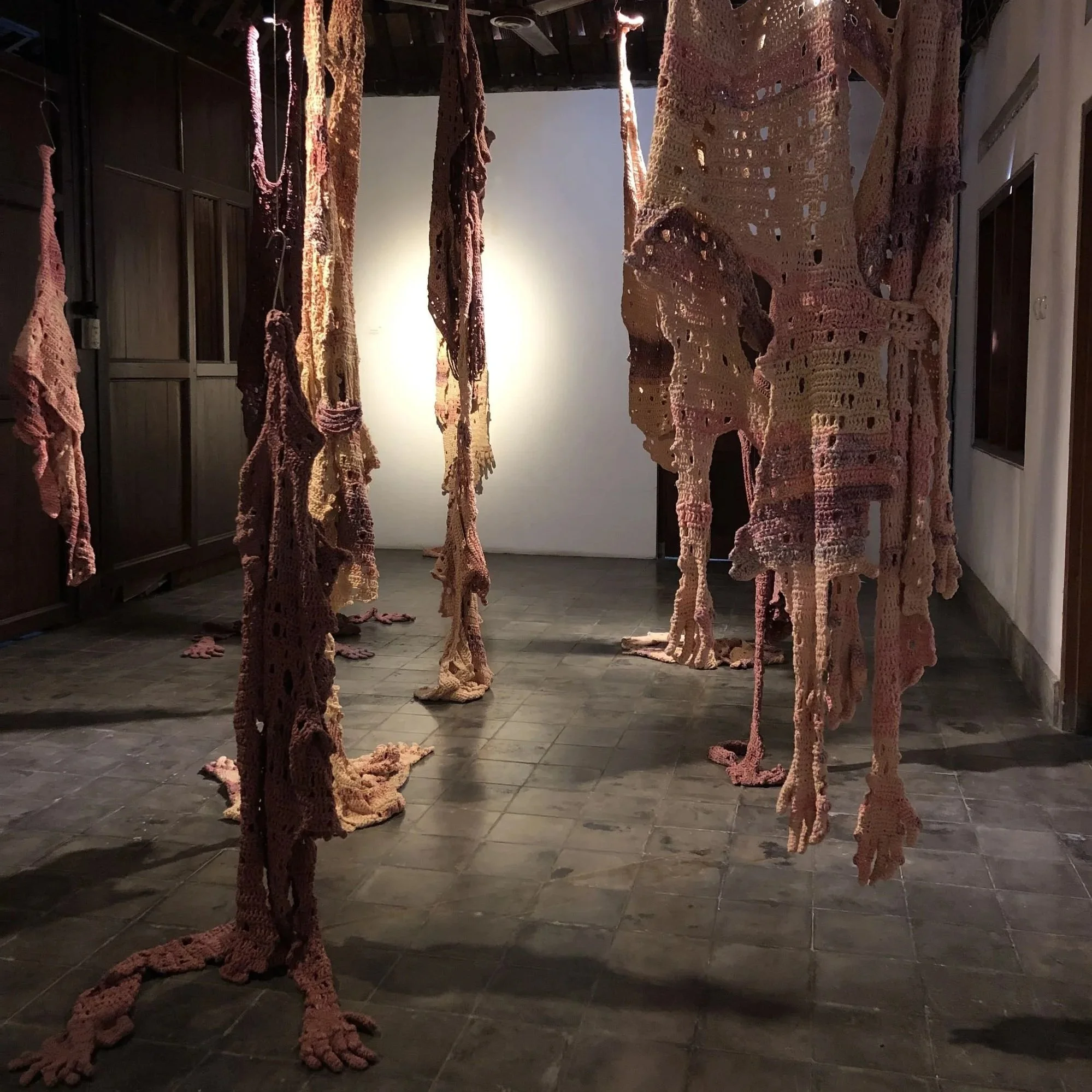
You also oversee REDBASE Yogyakarta Foundation, which supports artists through residencies, exhibitions, education and cultural exchange. How do the gallery and Foundation inform one another, and why was it important to establish a presence in Indonesia?
In 2014, I opened REDBASE Foundation in Yogyakarta. Yogyakarta is the heart of Indonesian art, and the country has a longstanding, close relationship with Australia. A new wave of Indonesian contemporary art is coming, and it is among the most exciting in Asia, culturally innovative and renegotiating international contemporary art from the perspective of Indonesia. The country is a cultural melting pot between East and West, which excites me as it reflects the changing concerns of contemporary art from within Indonesia.
The Sydney gallery and the Yogyakarta Foundation work together. The Foundation is where we find artists early and help them develop their practice through our longstanding residency programme and exhibitions. The REDBASE residency initiative is a profound commitment to supporting new developments in Indonesian art and provides opportunities for the next generation of shape-shifters to expose their ideas to the world. This has been a very successful project for creating networking opportunities for Indonesian artists and bringing New Zealand and Australian artists to Indonesia. It also gives overseas artists the opportunity to become immersed in the Yogyakarta art scene. Meanwhile, the Sydney gallery gives Indonesian artists an international stage and is building a formidable market for their work. Residency artists have gone on to win the UOB Painting of the Year and the Sovereign Asian Art Prize, including Ari Bayuaji and Citra Sasmita.
Having worked across so many different art scenes, what are you seeing in contemporary Asian art at the moment that you think audiences in this part of the world should be paying closer attention to?
The art market has changed completely since I started. Early on, Chinese contemporary art was driven by speculation, and I saw paintings rise to staggering heights. Chinese contemporary art has matured over the years.
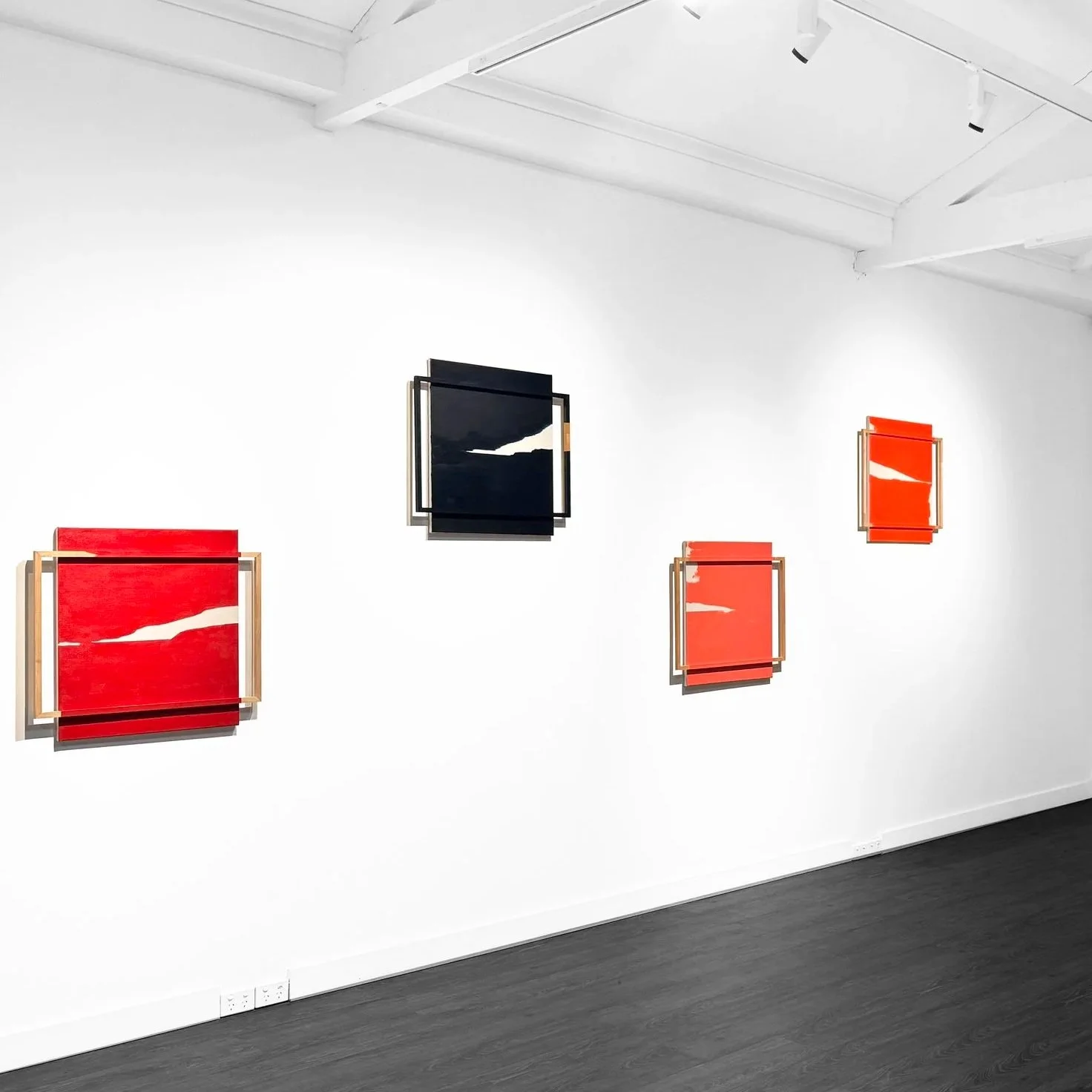
Chinese contemporary art has a strong sense of optimism and a can-do attitude, where there are no obstacles. There is also an expanded materiality and a different conceptual aesthetic that conflates the Chinese vernacular within an international context. This vernacular brings forward traditional ideas with the spirit of the new. There is also a different level of professionalism and international awareness. Virtually all artists are multidisciplinary, and it is exciting that they are reimagining the world we live in with a strong sense of hope and human spirit. They are deeply aware of art movements around the world, and they want to engage internationally. Audiences should pay attention to the next wave of artists who continue to develop their ideas alongside long-term gallery representation. REDBASE is in a prime position to facilitate their exposure, particularly to Australian and international collectors.
Embodied
Solo Exhibition by Liu Xi
Exhibition runs until 21 January, 2027
REDBASE Art Sydney