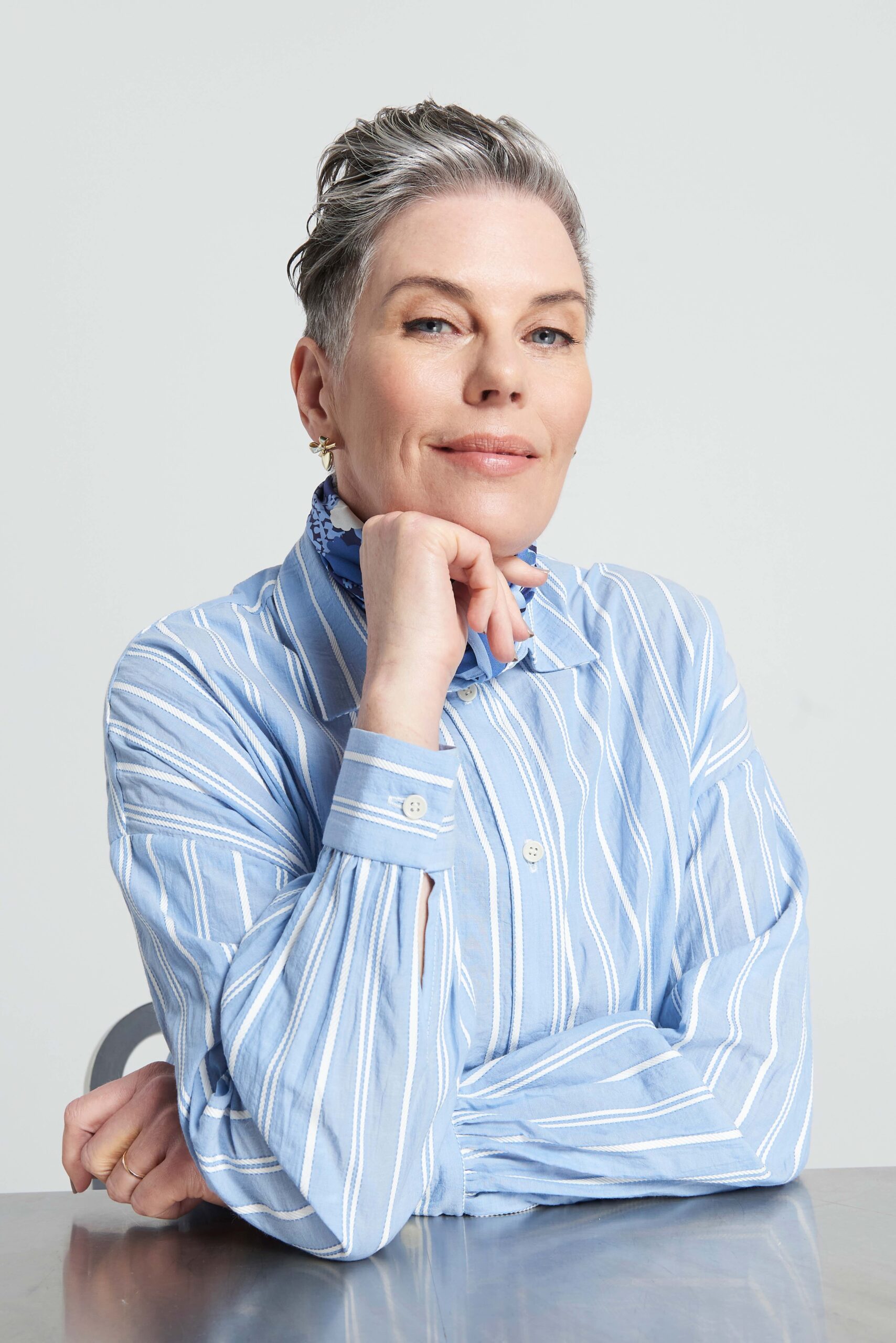
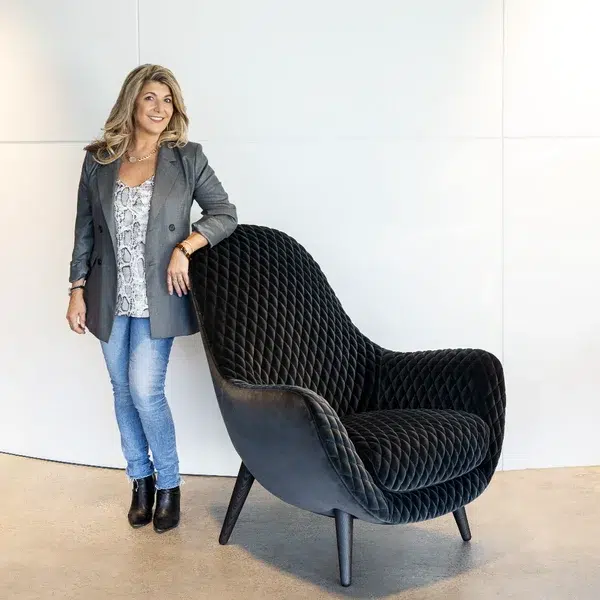
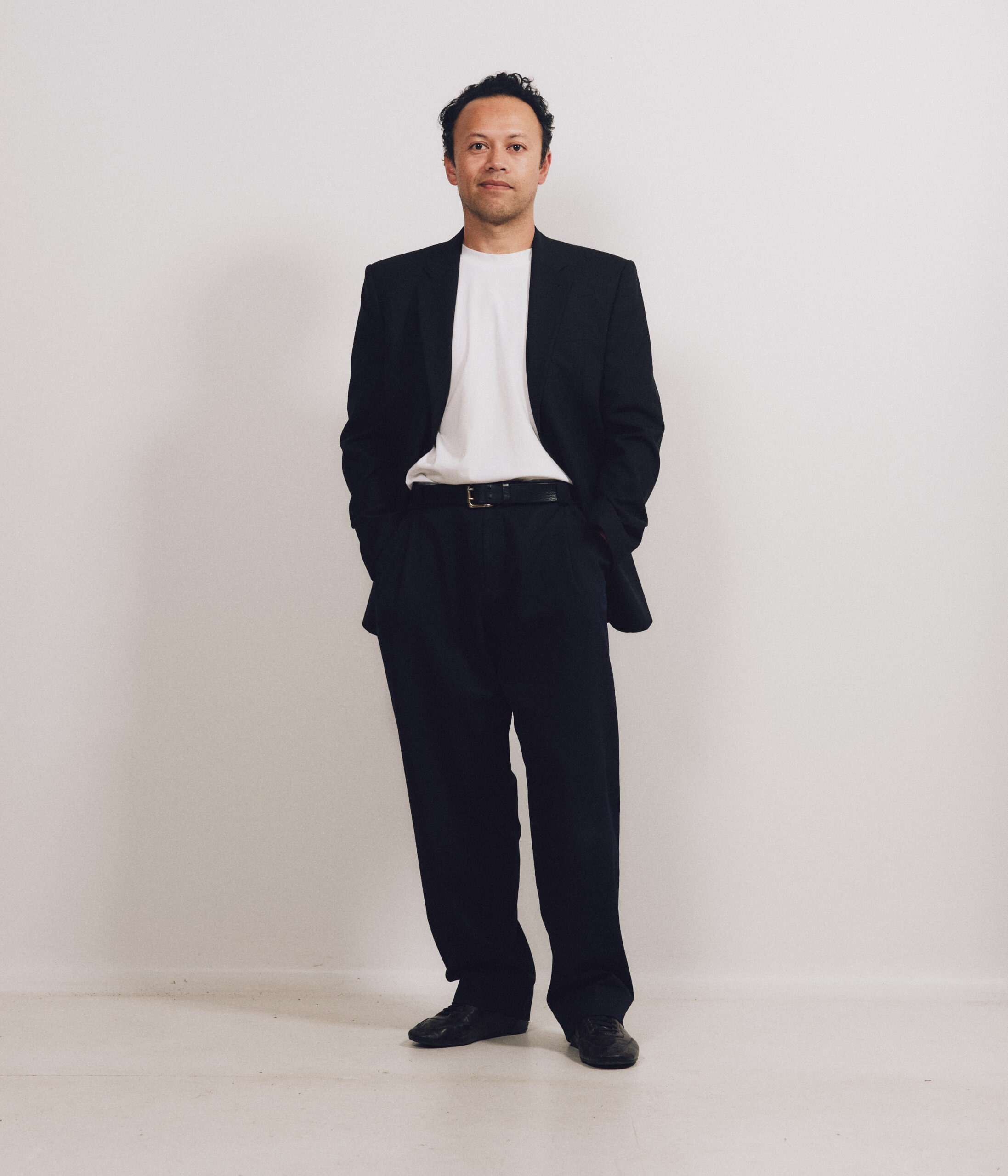
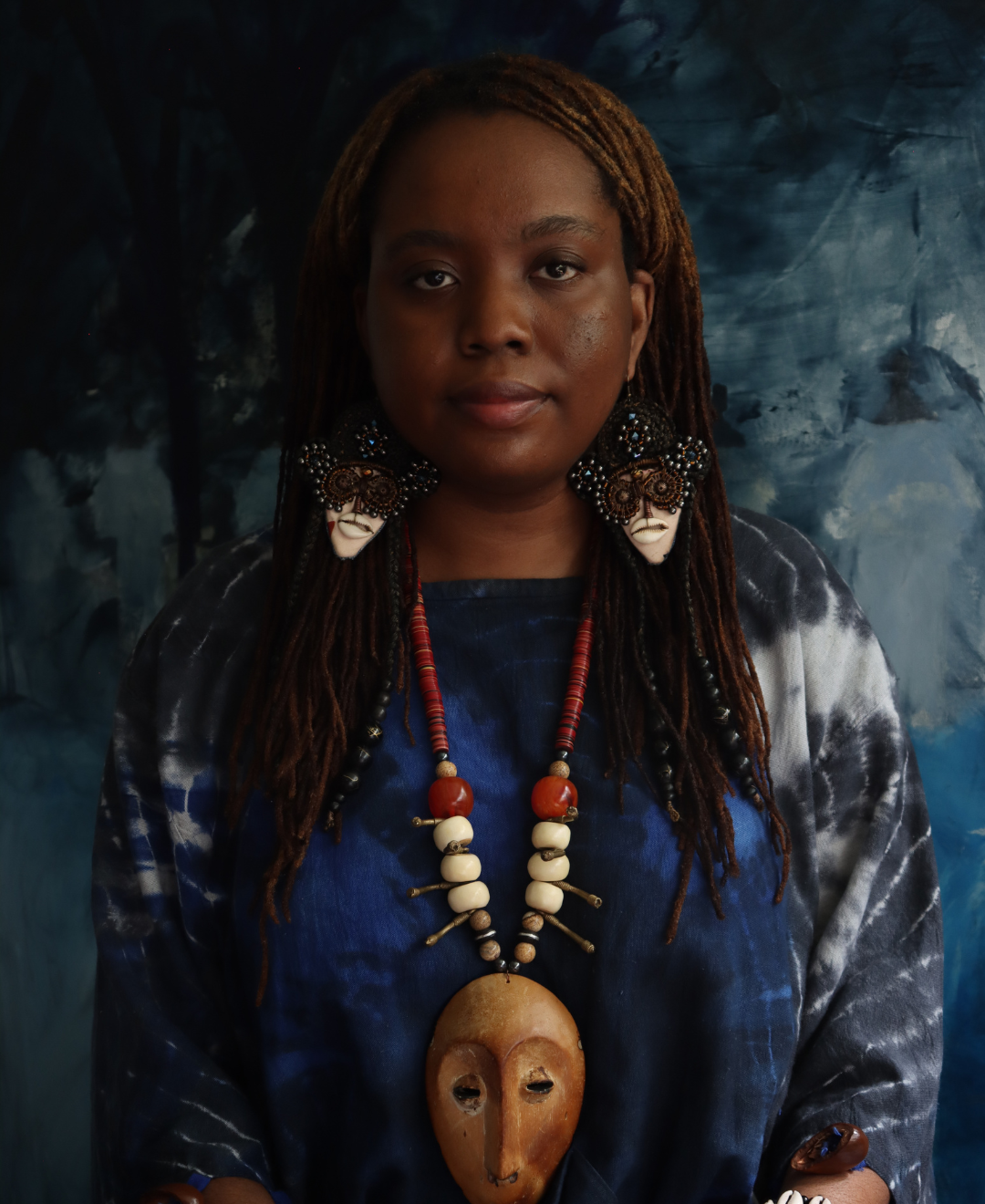
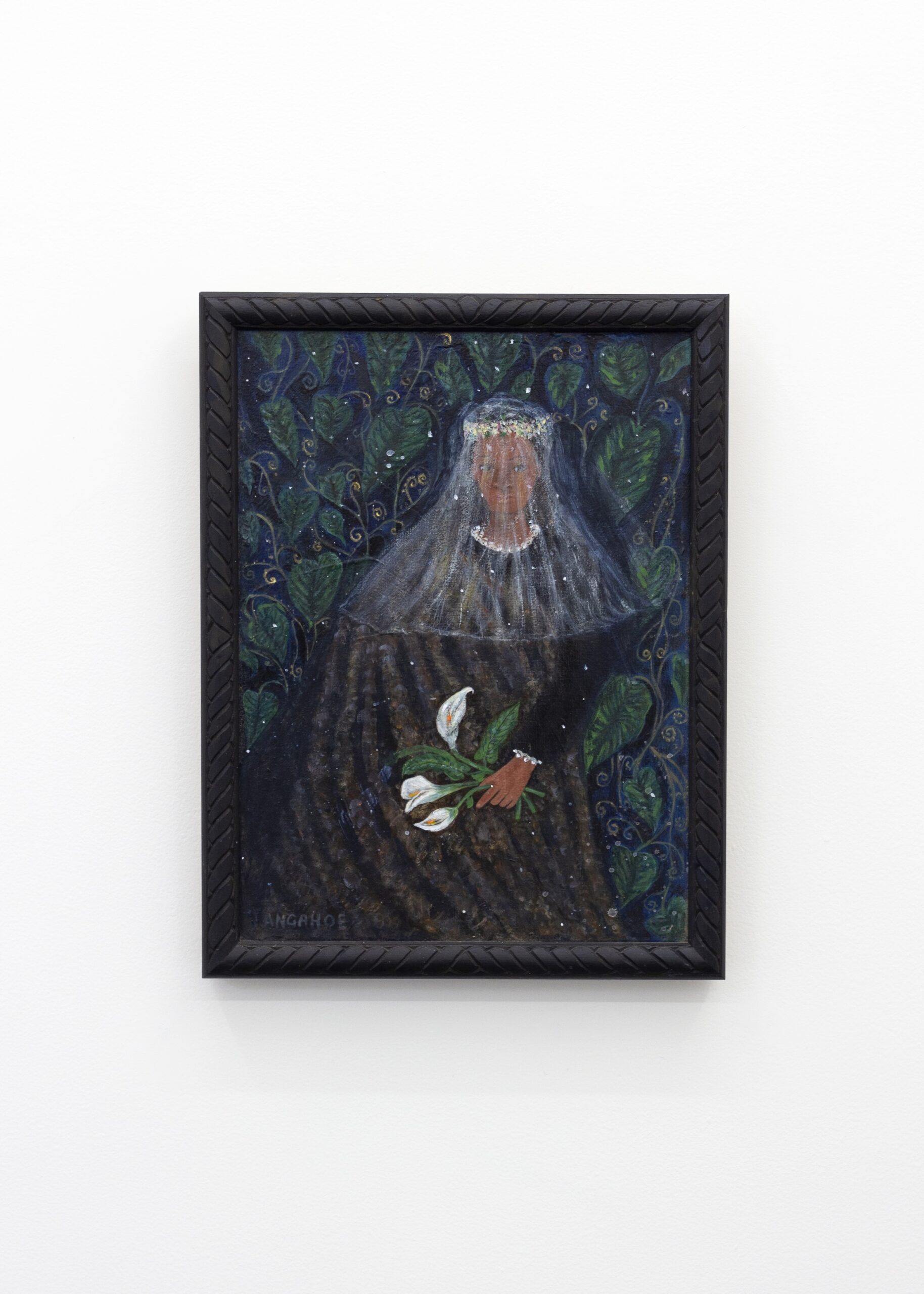
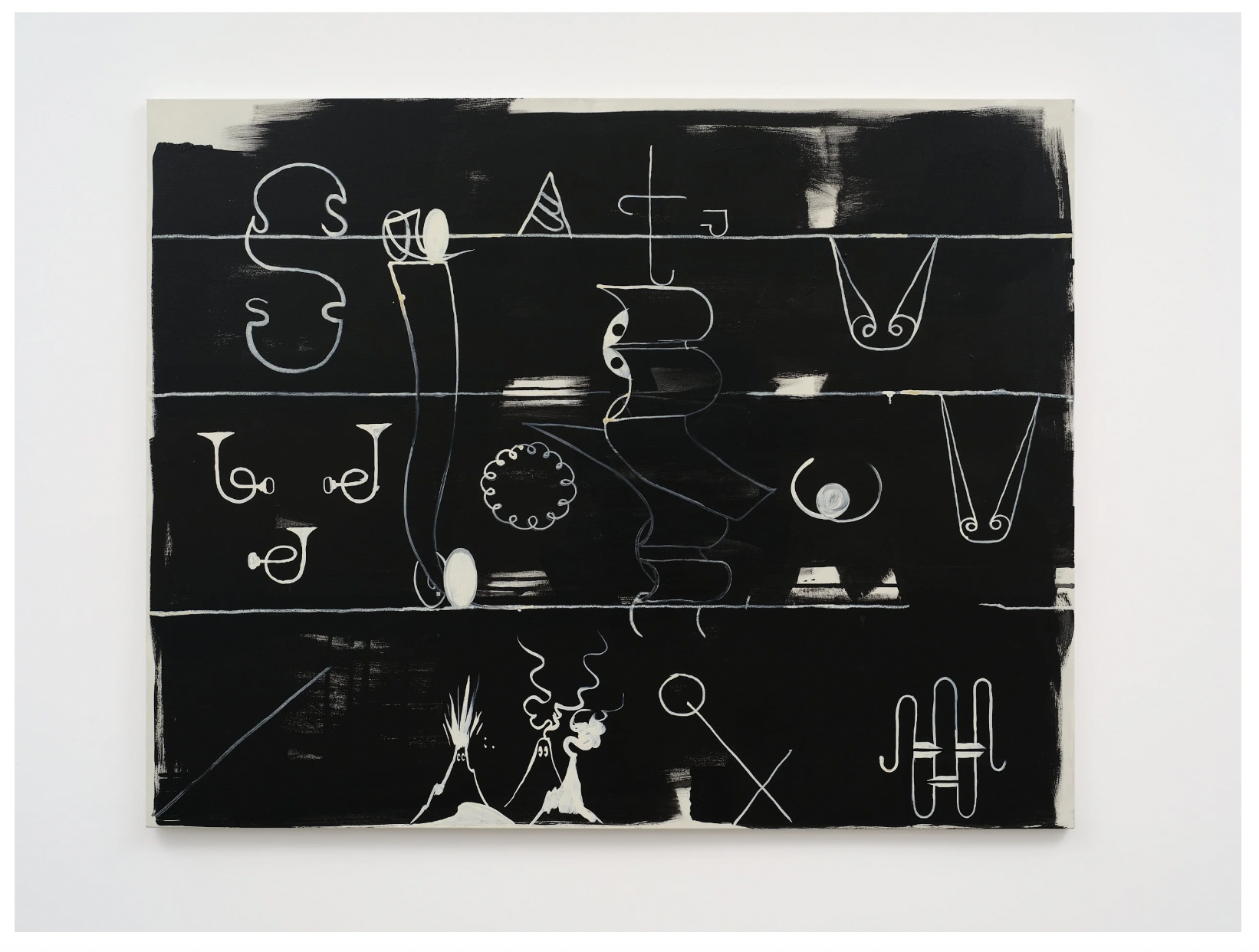
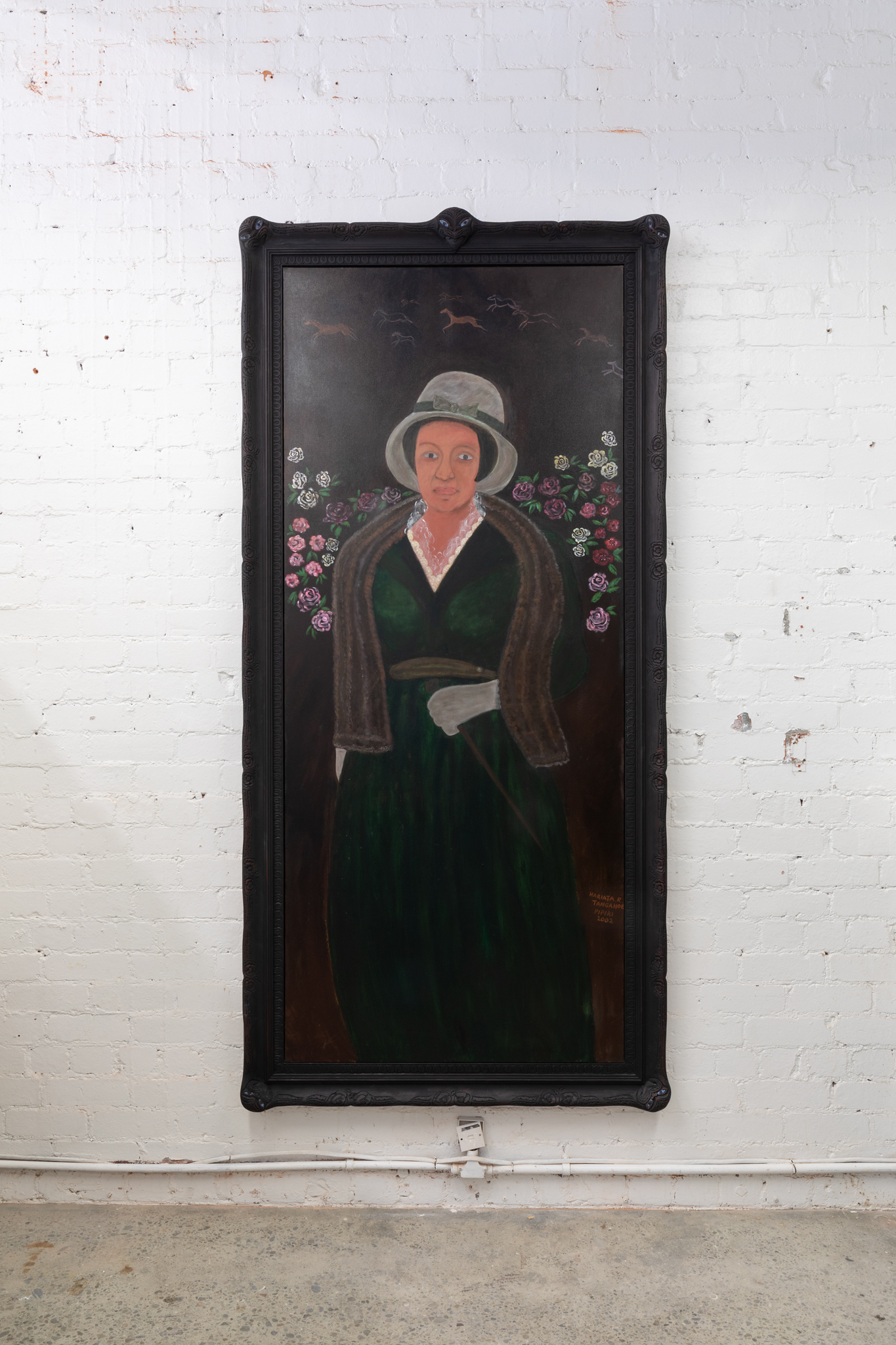
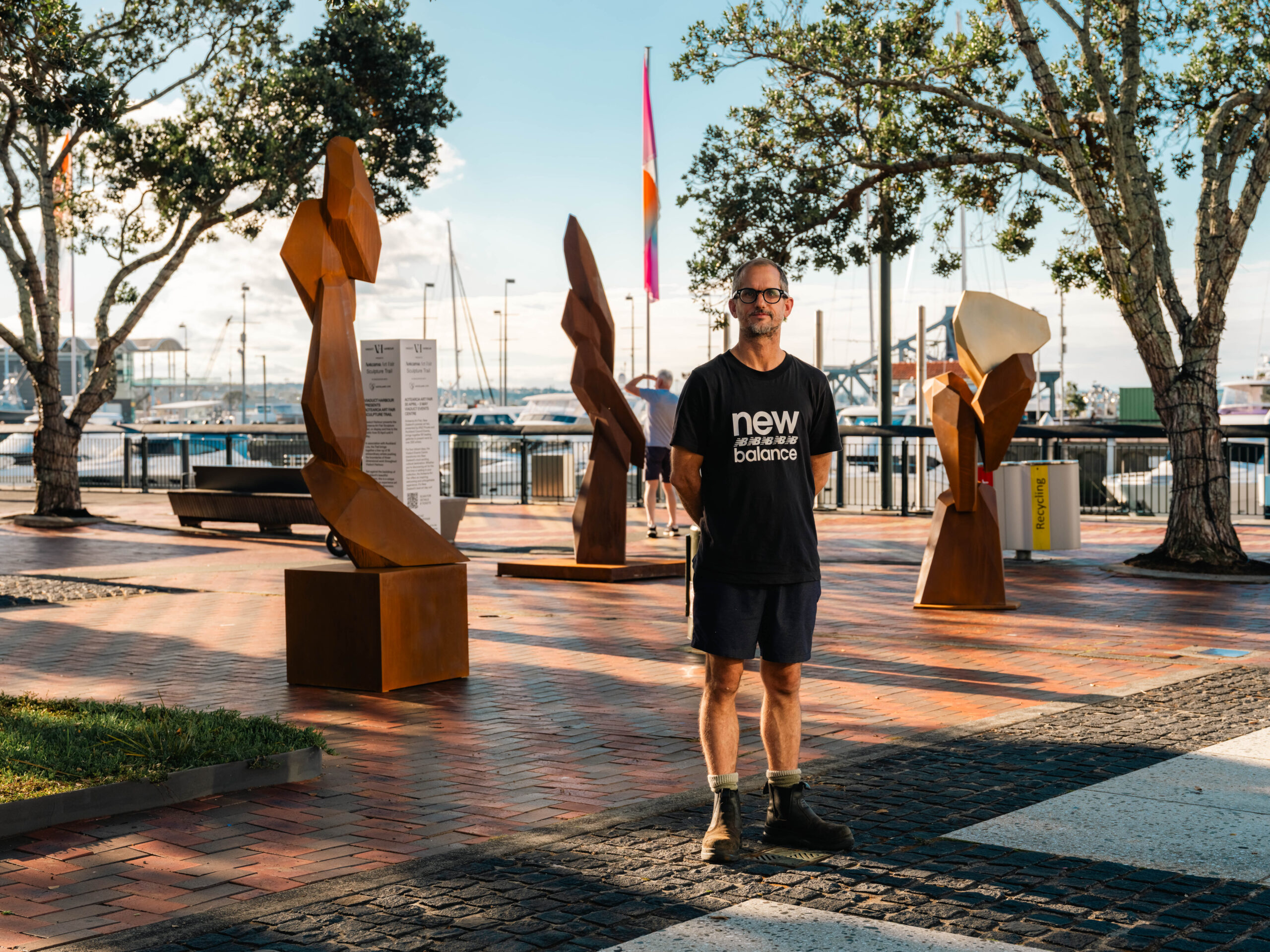
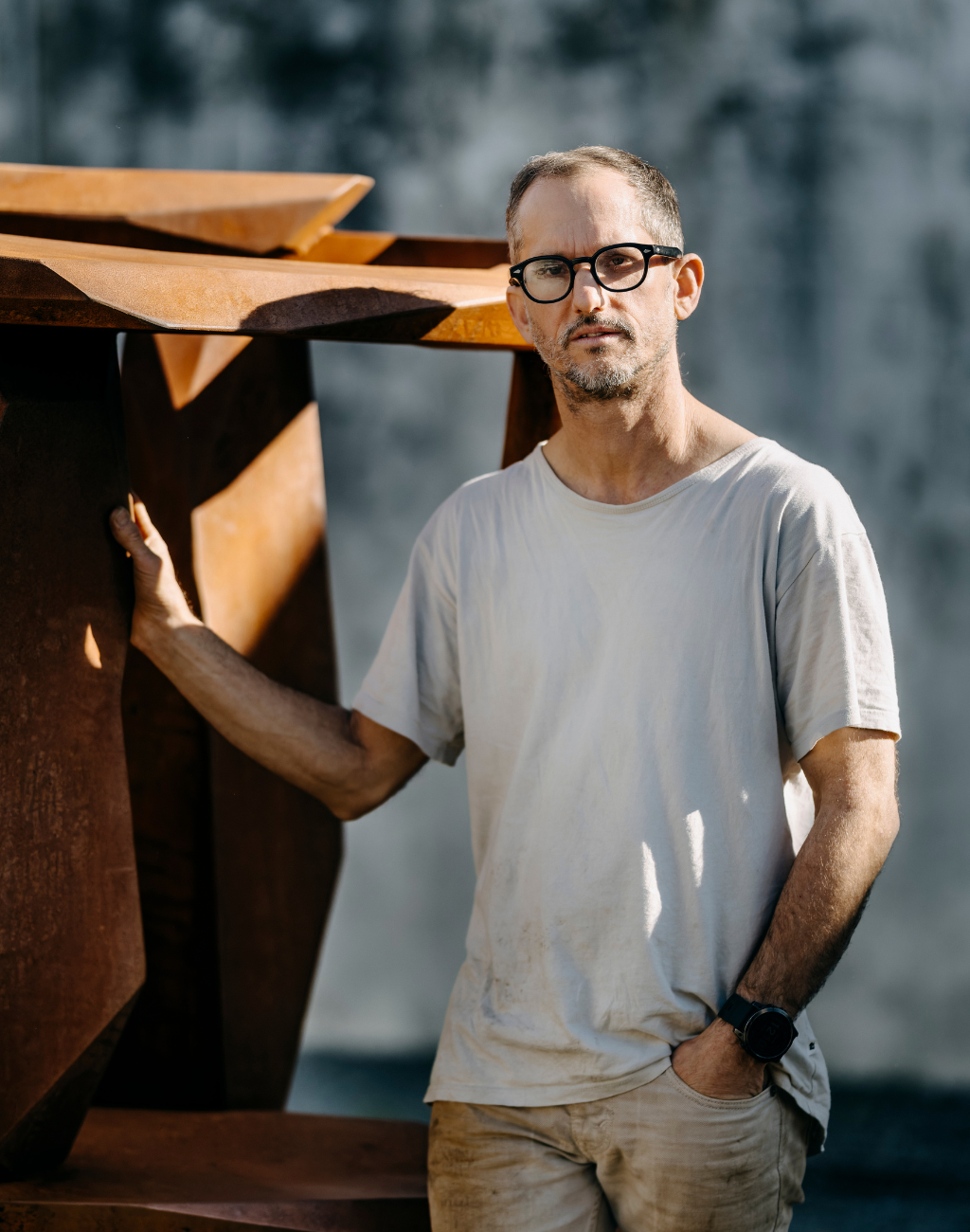
Anita Totha’s Top Picks of the Fair

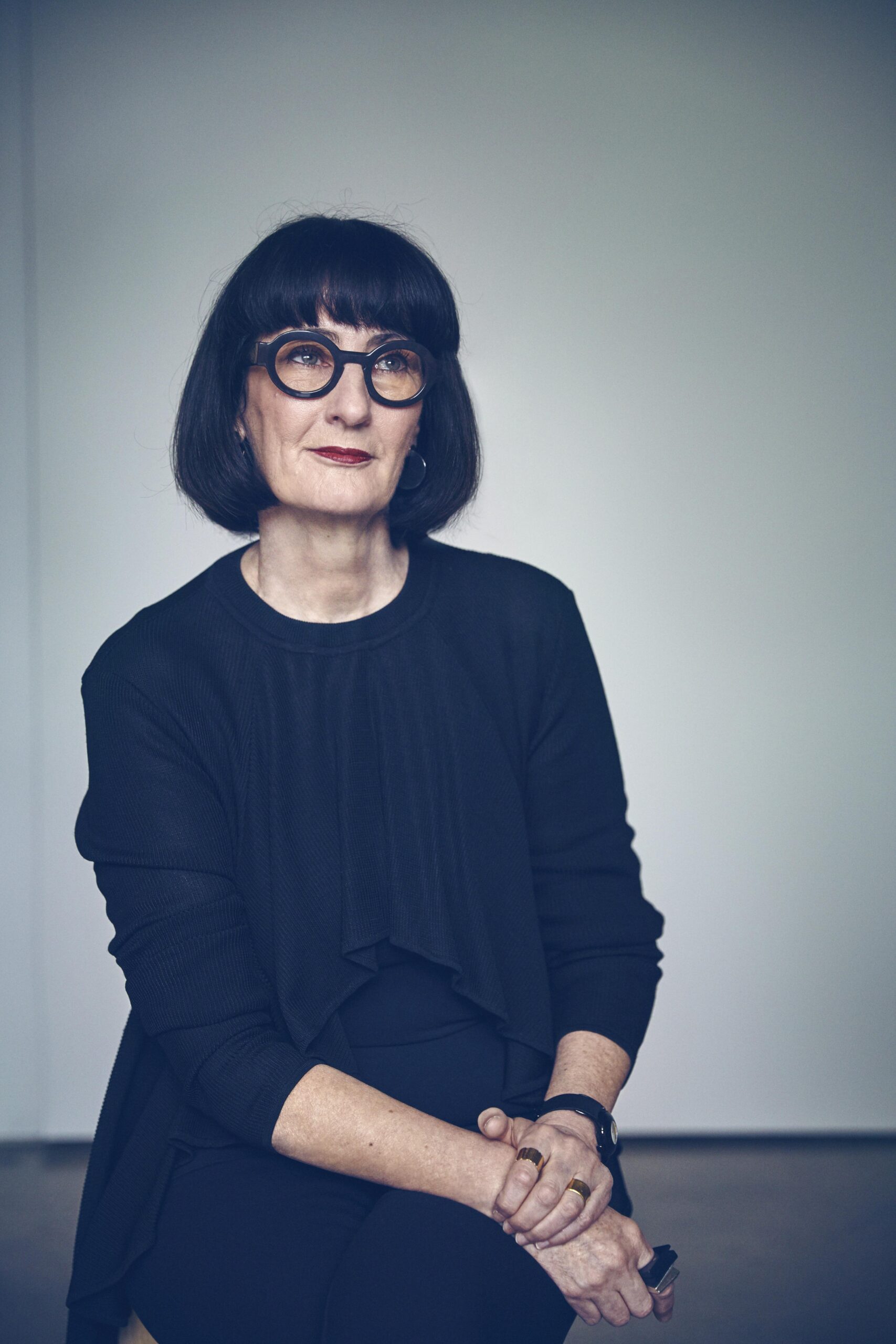
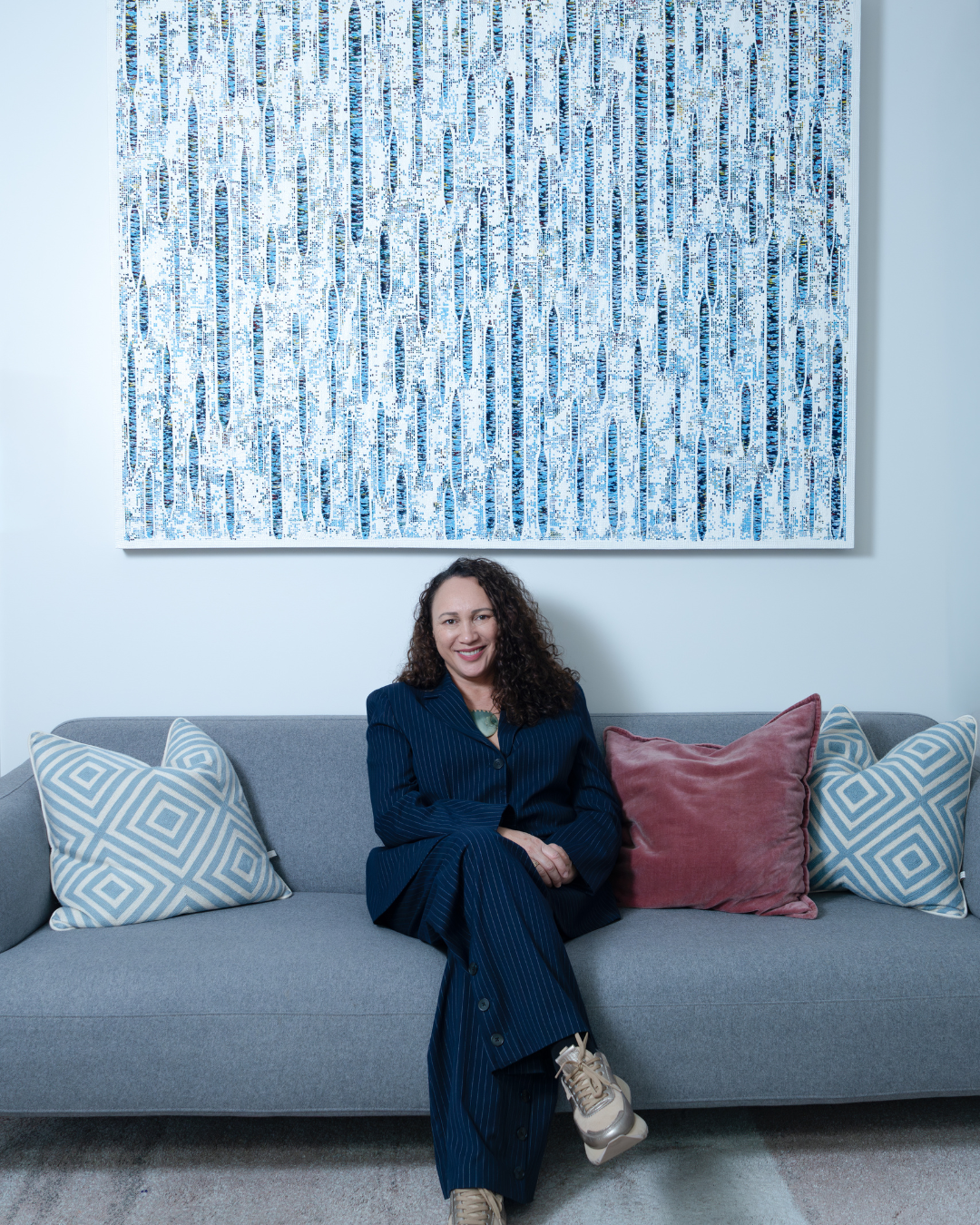
Discover what The Arts House Trust Director Anita Tótha is most looking forward to at the Aotearoa Art Fair 2026. From standout artists and must-see booths to insights for new collectors, explore her curated picks and plan your visit to this year’s Fair.

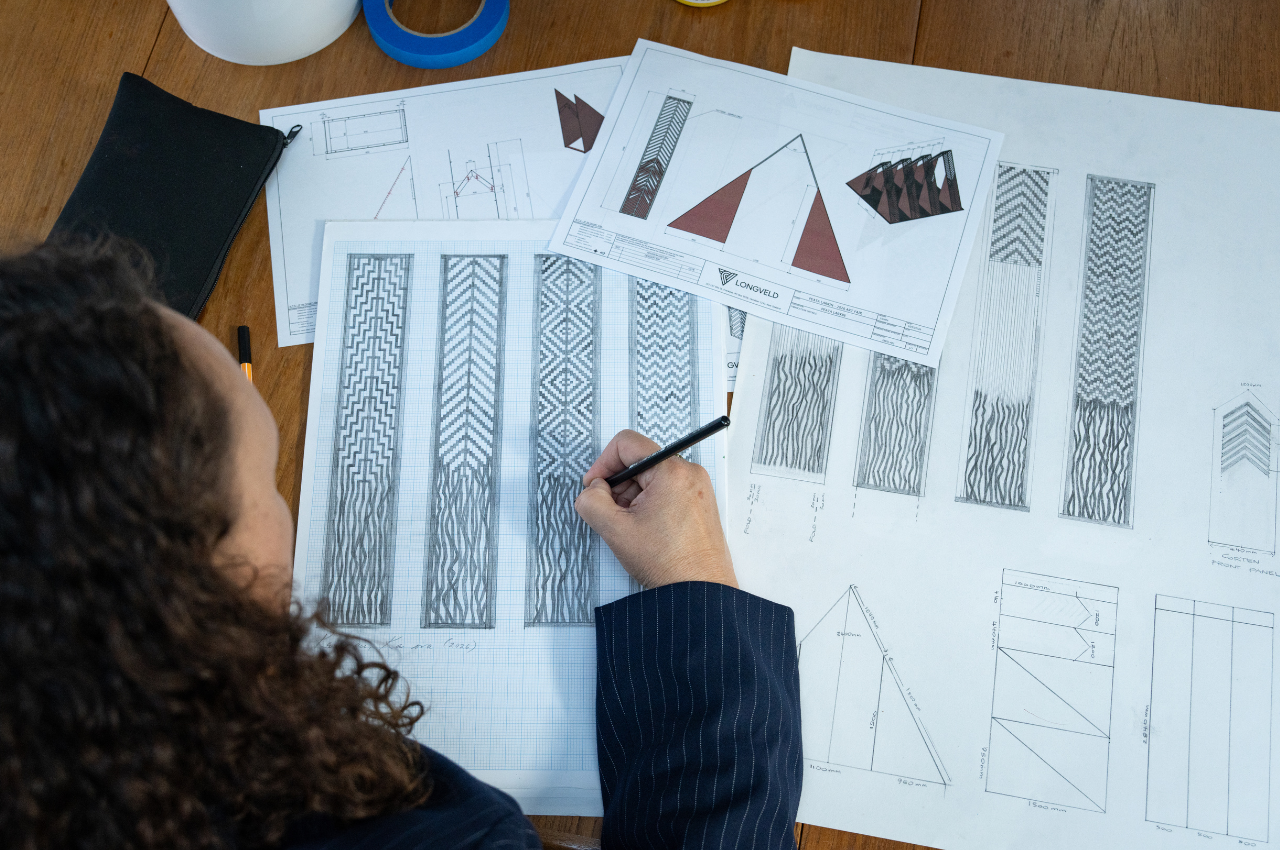
Join Anita on Friday 1 May, 11.30AM for a 45-minute guided tour of the Aotearoa Art Fair, The Smart Collector Tour – Picks Under $5,000

___

The Aotearoa Art Fair has gone from strength to strength, and what continues to set it apart is its considered scale. Rather than overwhelming, the Fair offers a focused and engaging experience — one where you can spend time with the work, return for a second look, and remain curious throughout.

There is such a thing as too much art. What makes this fair so compelling is its balance: a diverse line-up of galleries representing artists from across Aotearoa and beyond, including Australia, Rarotonga, Tahiti and London, presented in a way that feels both accessible and refined. I’m particularly looking forward to seeing the continued celebration of Aotearoa alongside a growing international presence, including Aboriginal Australian and Pasifika artists, bringing a wider regional dialogue into focus.

Importantly, this scale also creates space for genuine connection. Visitors have the opportunity to speak directly with gallerists, and sometimes artists themselves, fostering conversations and insights that are rarely possible at some of the larger international fairs.

For those new to the Fair, or just beginning to build a collection, my advice is simple: take your time. Look closely, ask questions, and enjoy the breadth of work and voices brought to our shores. The diversity on offer is one of the Aotearoa Art Fair’s greatest strengths, and a reminder of the richness of contemporary practice across our region and beyond. During the Fair, I’ll also be leading a guided walking tour, sharing a selection of my top picks, with a focus on works under $5,000 for those starting or growing their collections.

Highlights to look forward to at the Aotearoa Art Fair 2026

So many events to choose from at the AON Talks programme this year, but I’m looking forward to a conversation moderated by Zoe Black with artists Rangi Kipa, Chevron Hassett and Ngahuia Harrison exploring their individual practices. It’s always valuable for visitors and collectors alike to hear directly from artists, to gain insight into their thinking and better understand the processes, influences, and lived experiences that shape the work.

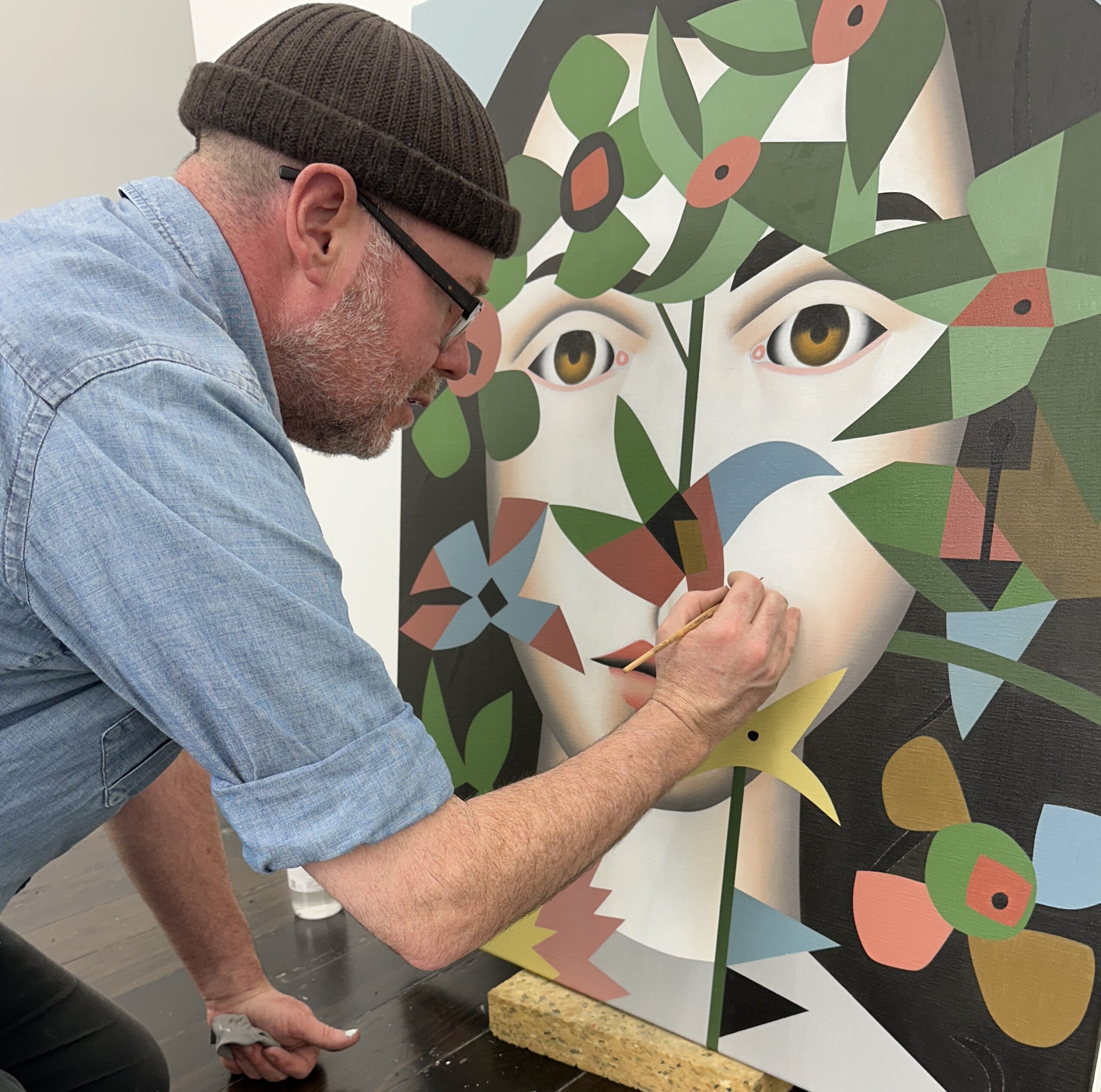
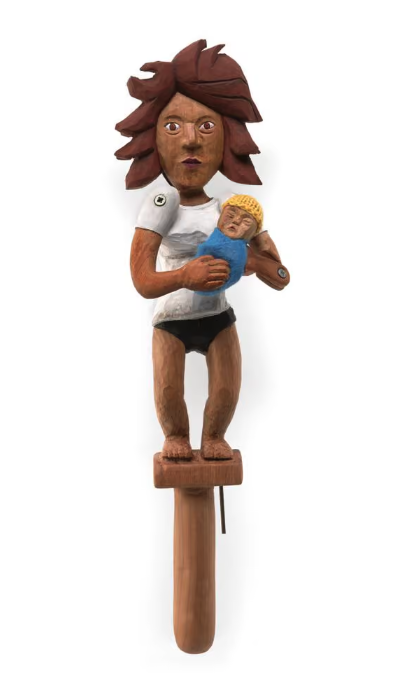
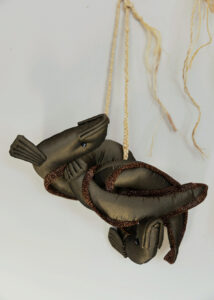
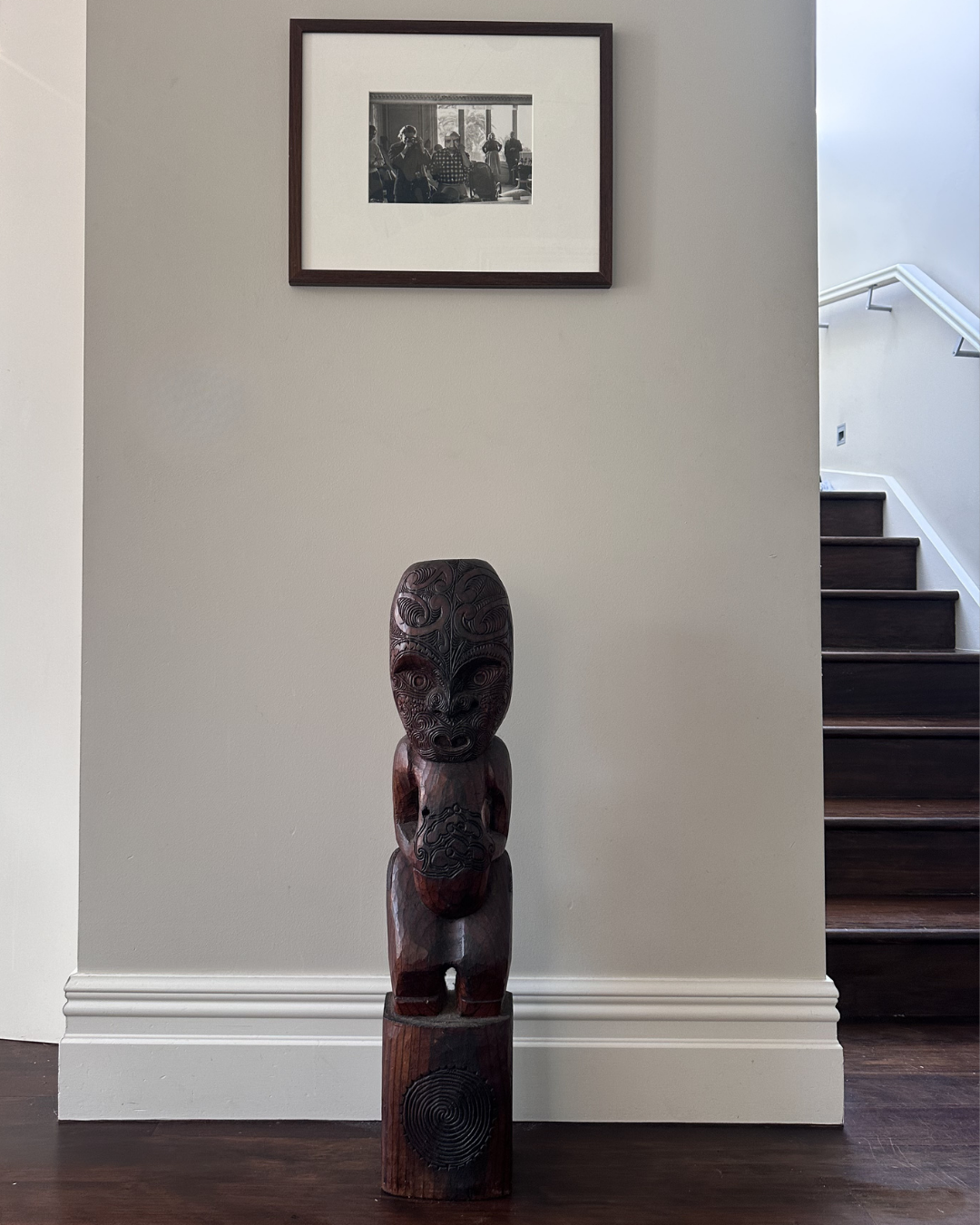
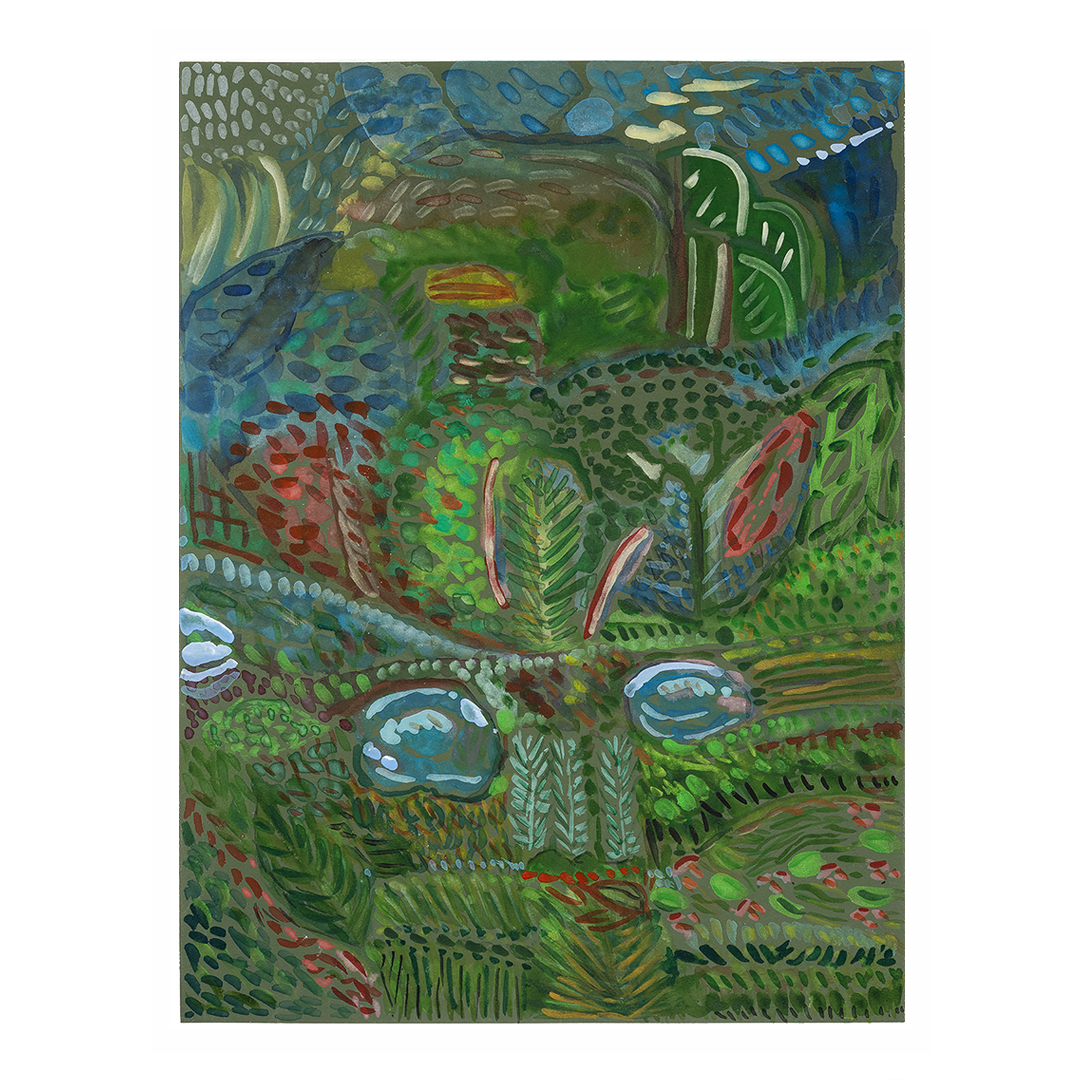
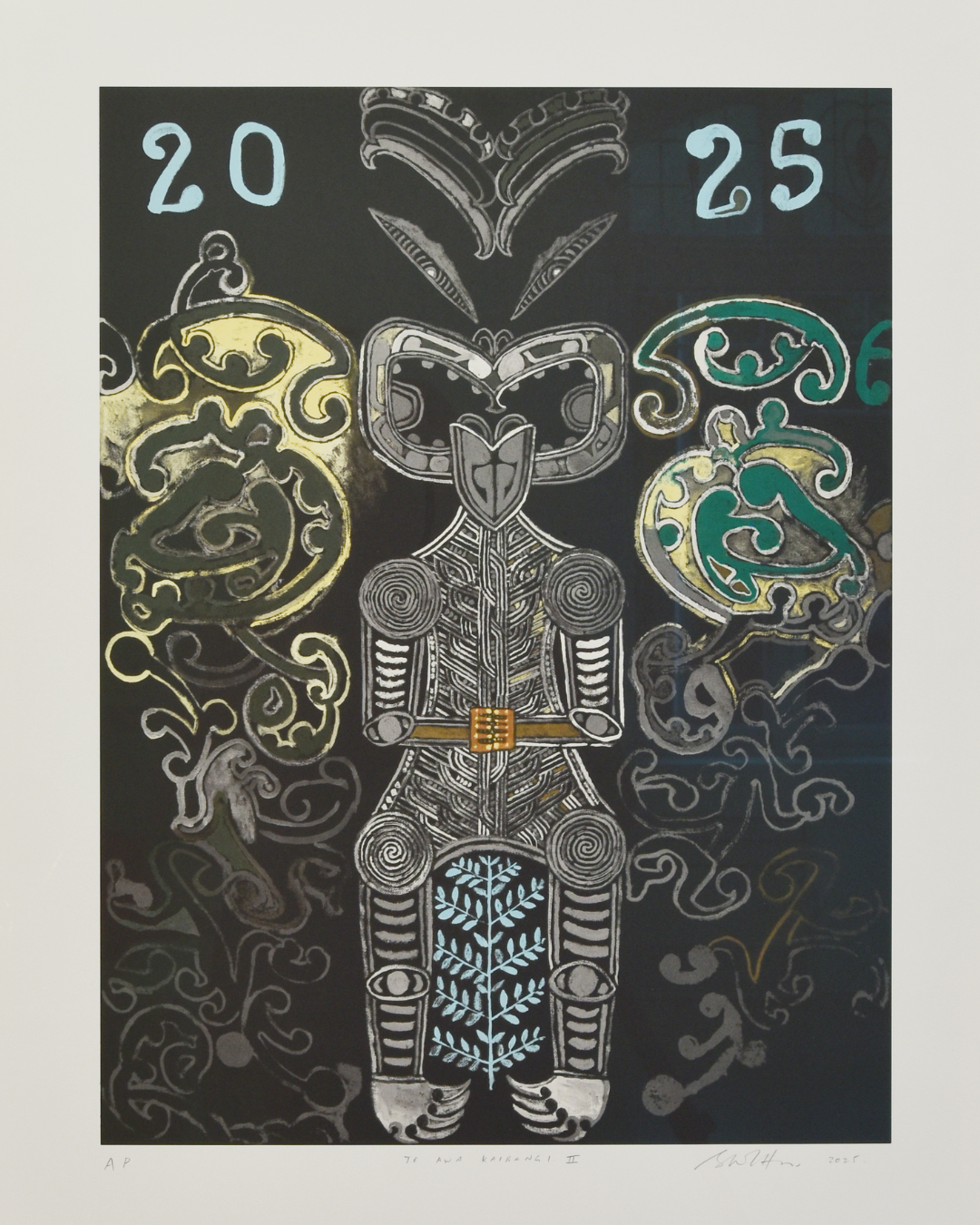
Rangi Kipa, Hei Tiki, 2026, Melanie Roger Gallery

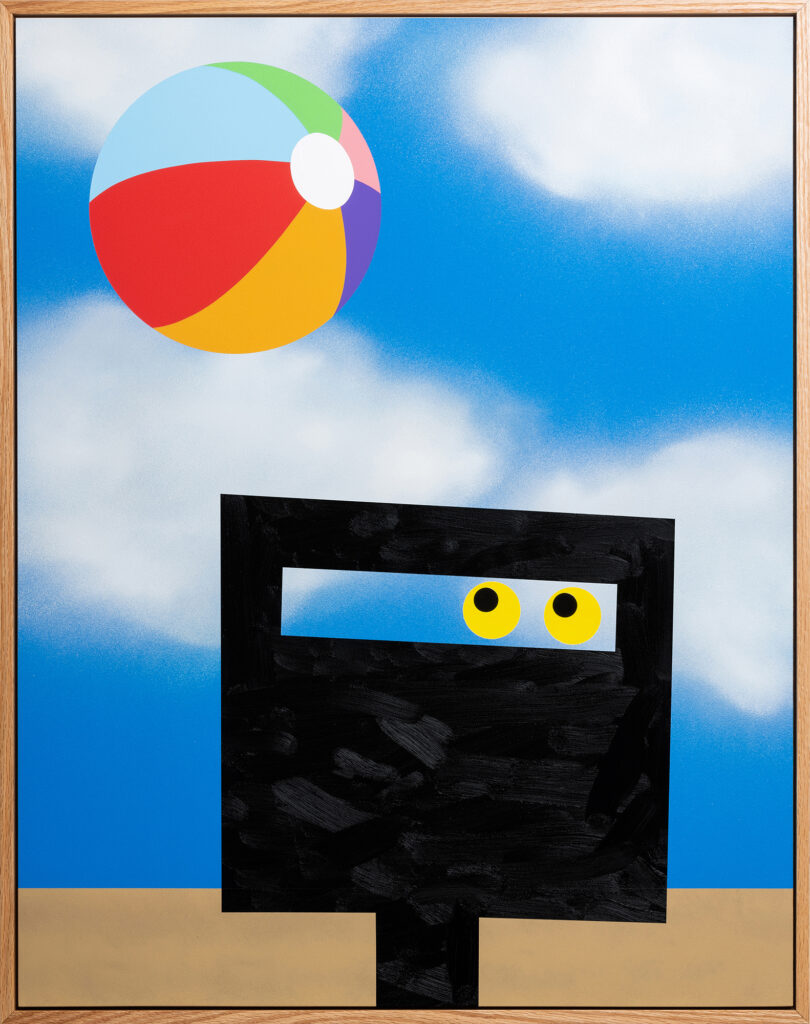
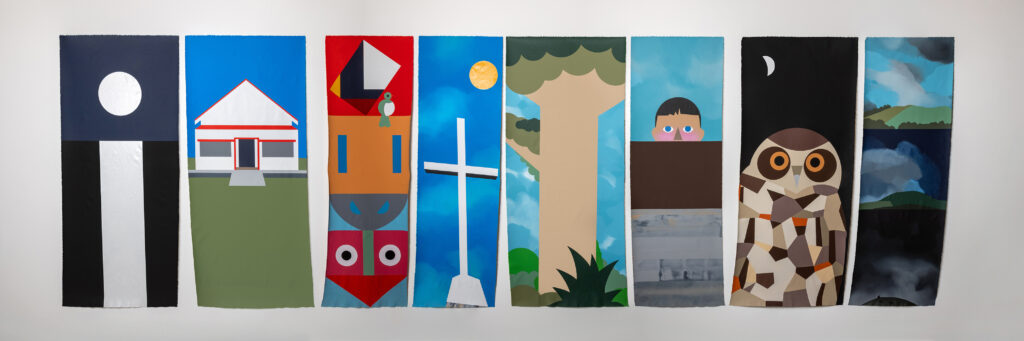
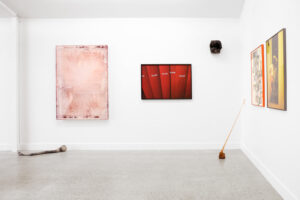
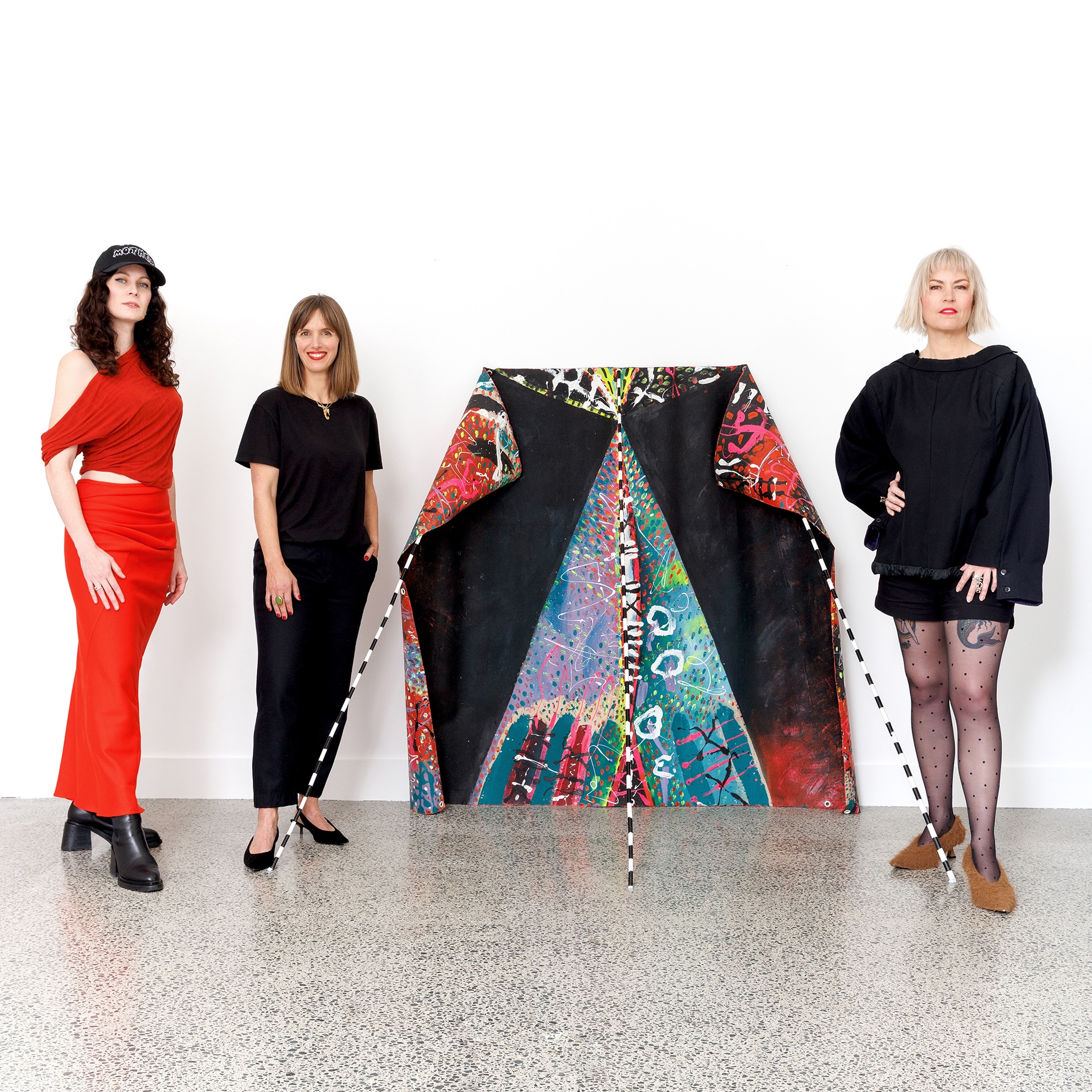
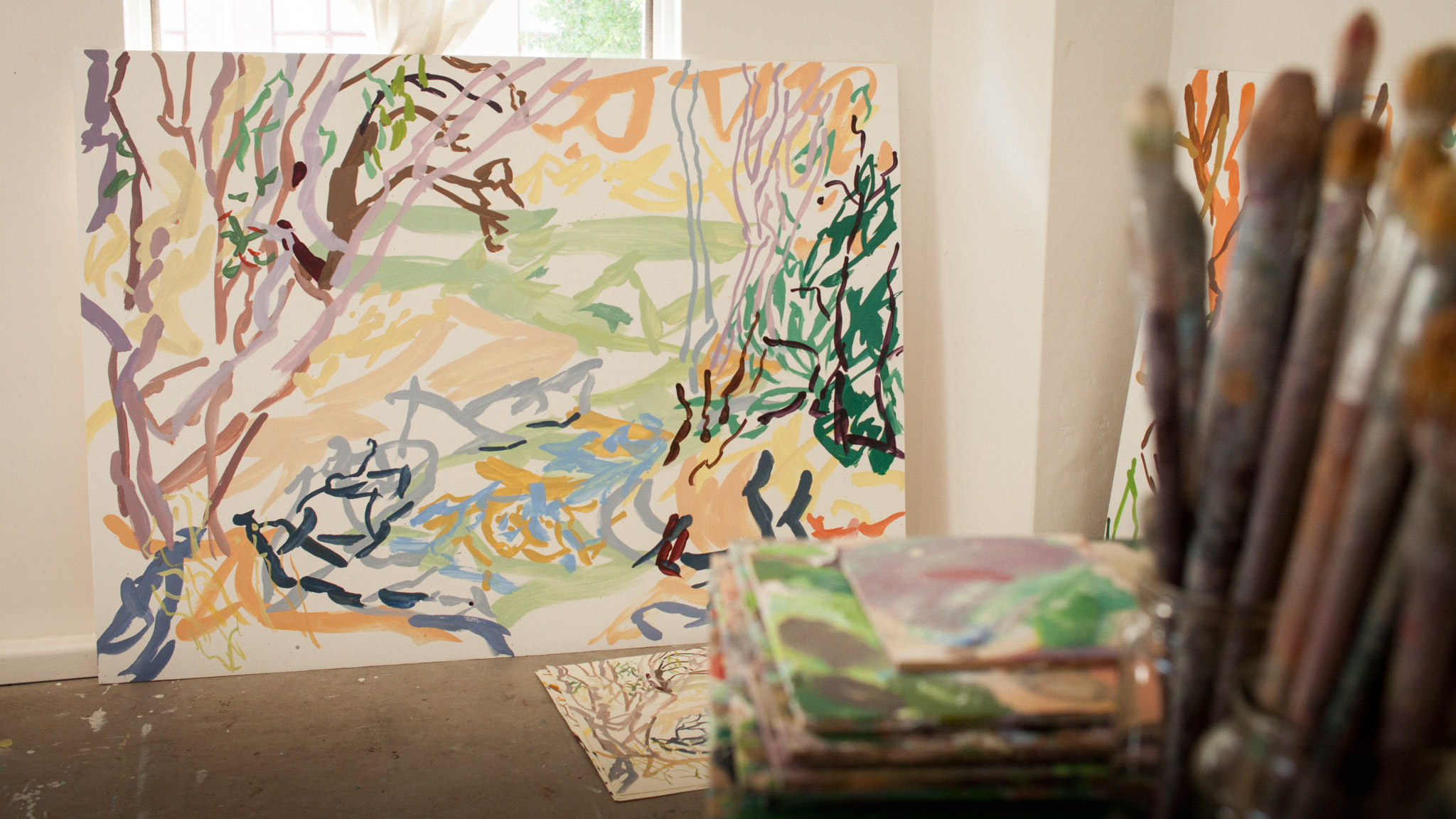
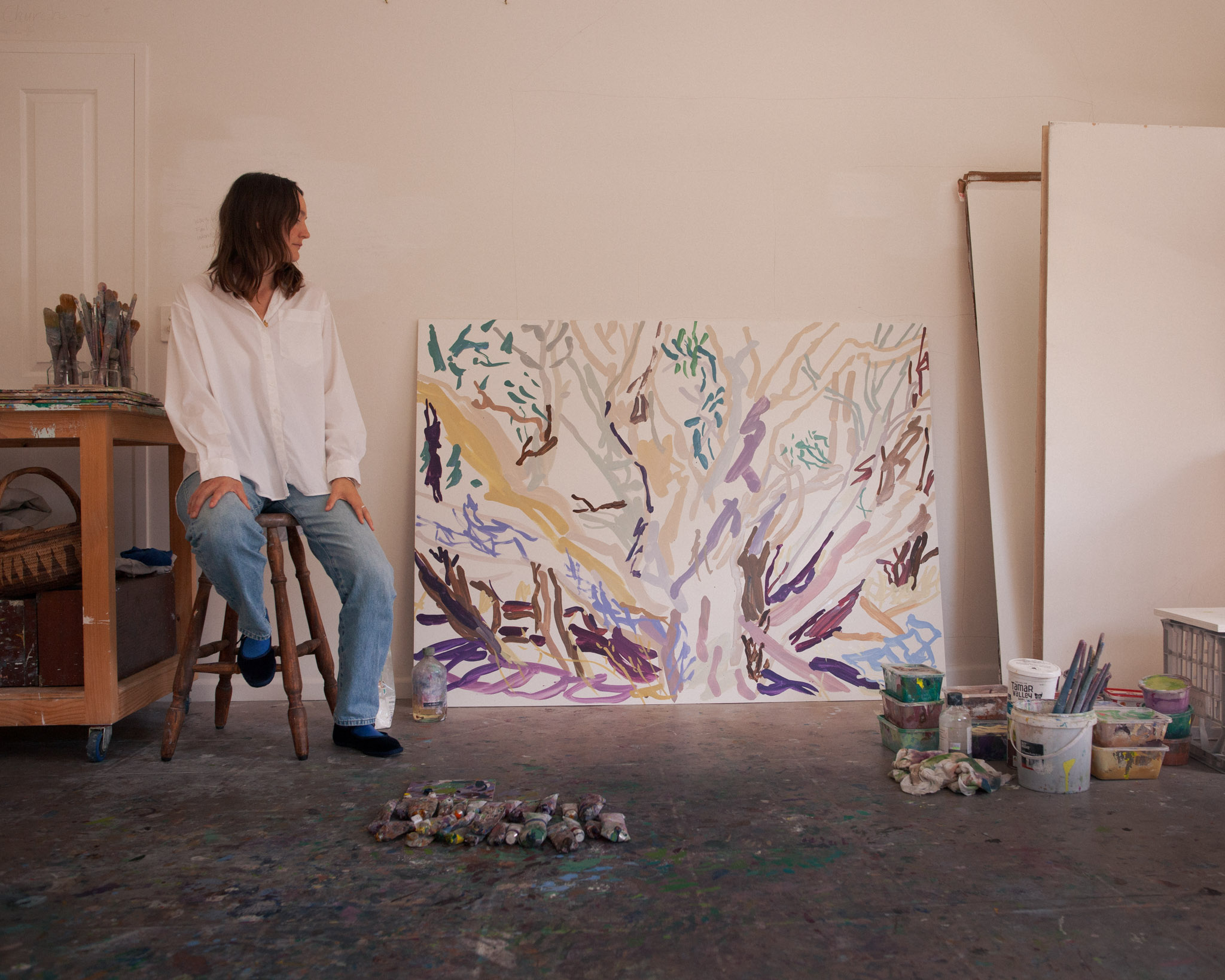
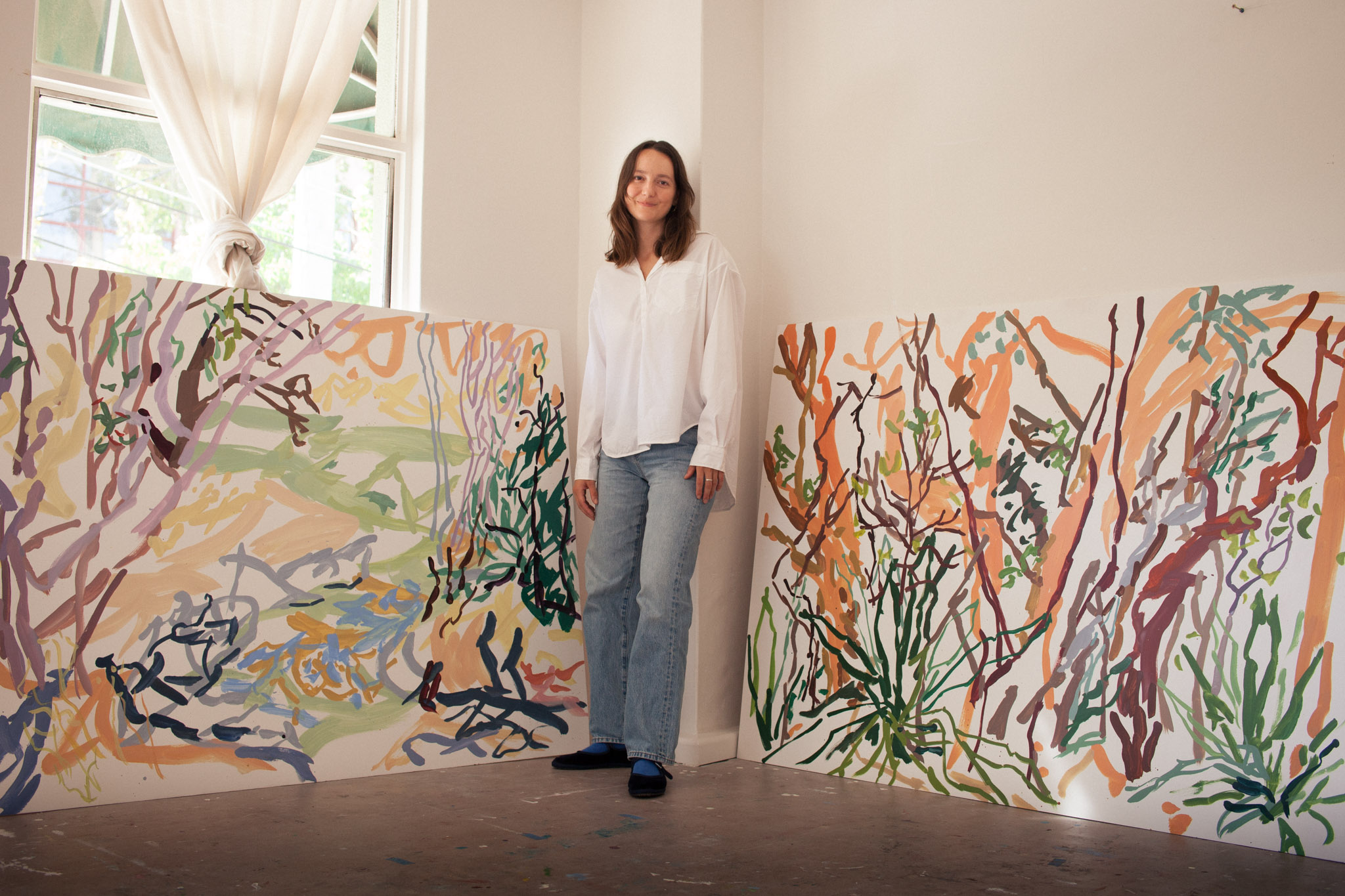
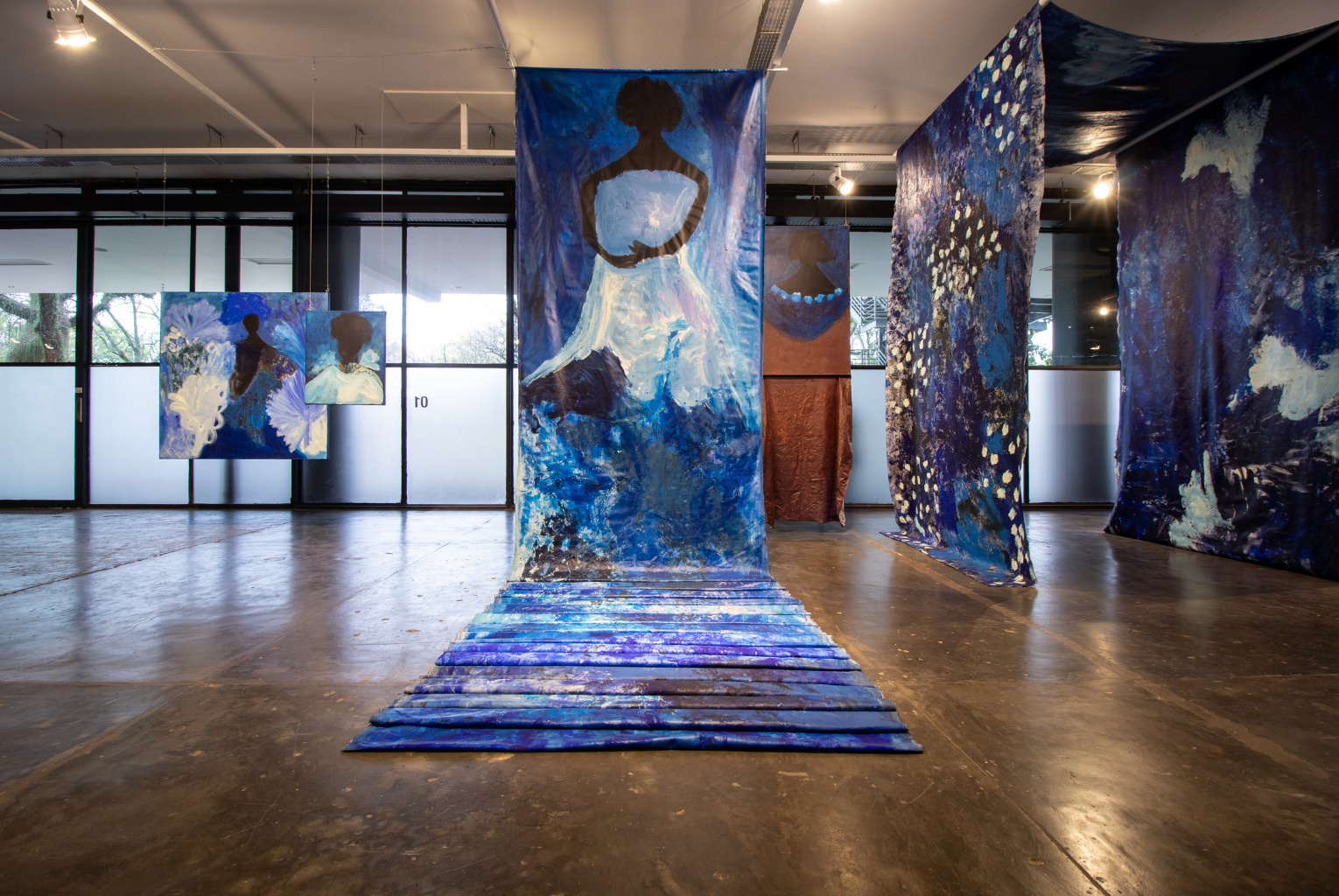
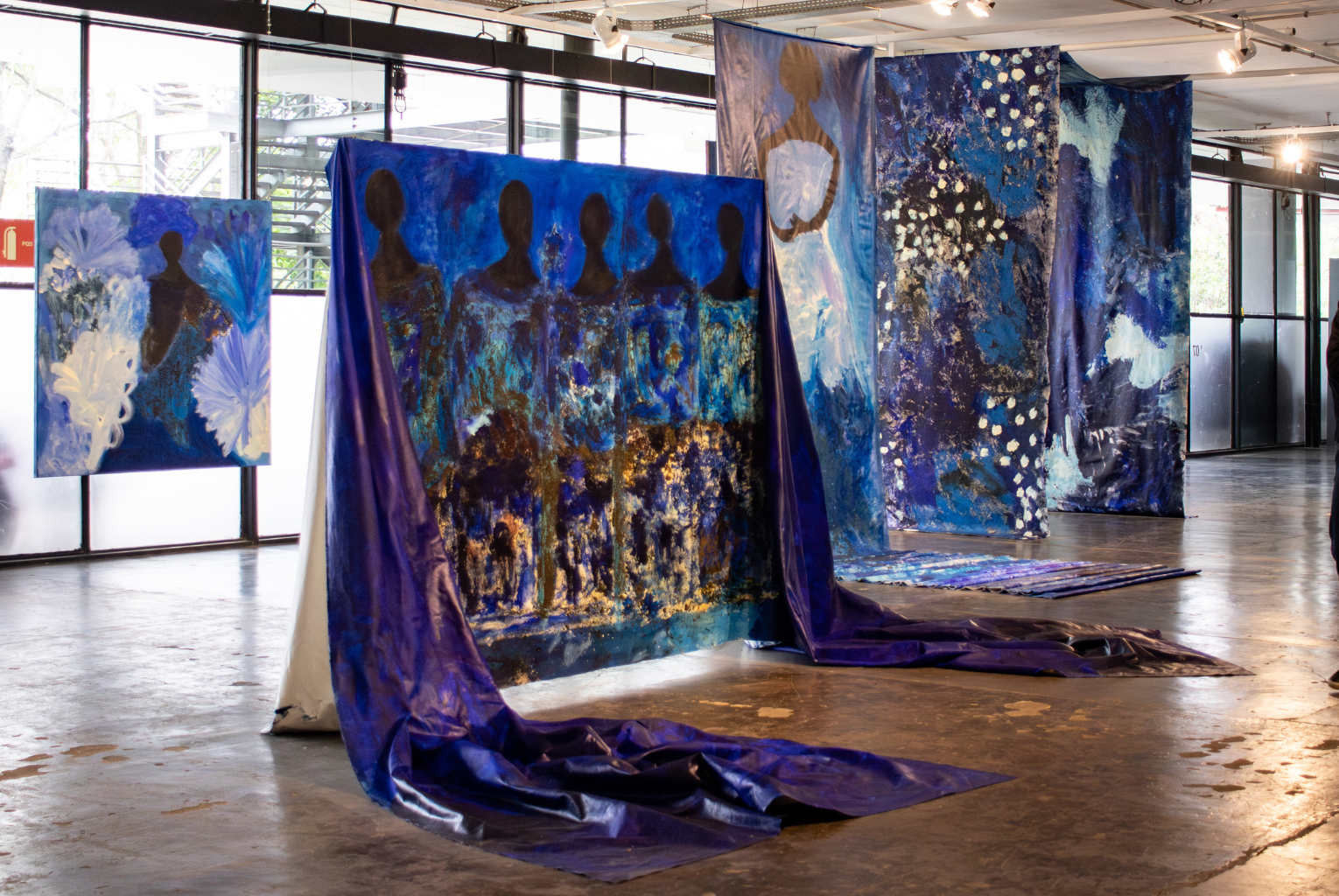
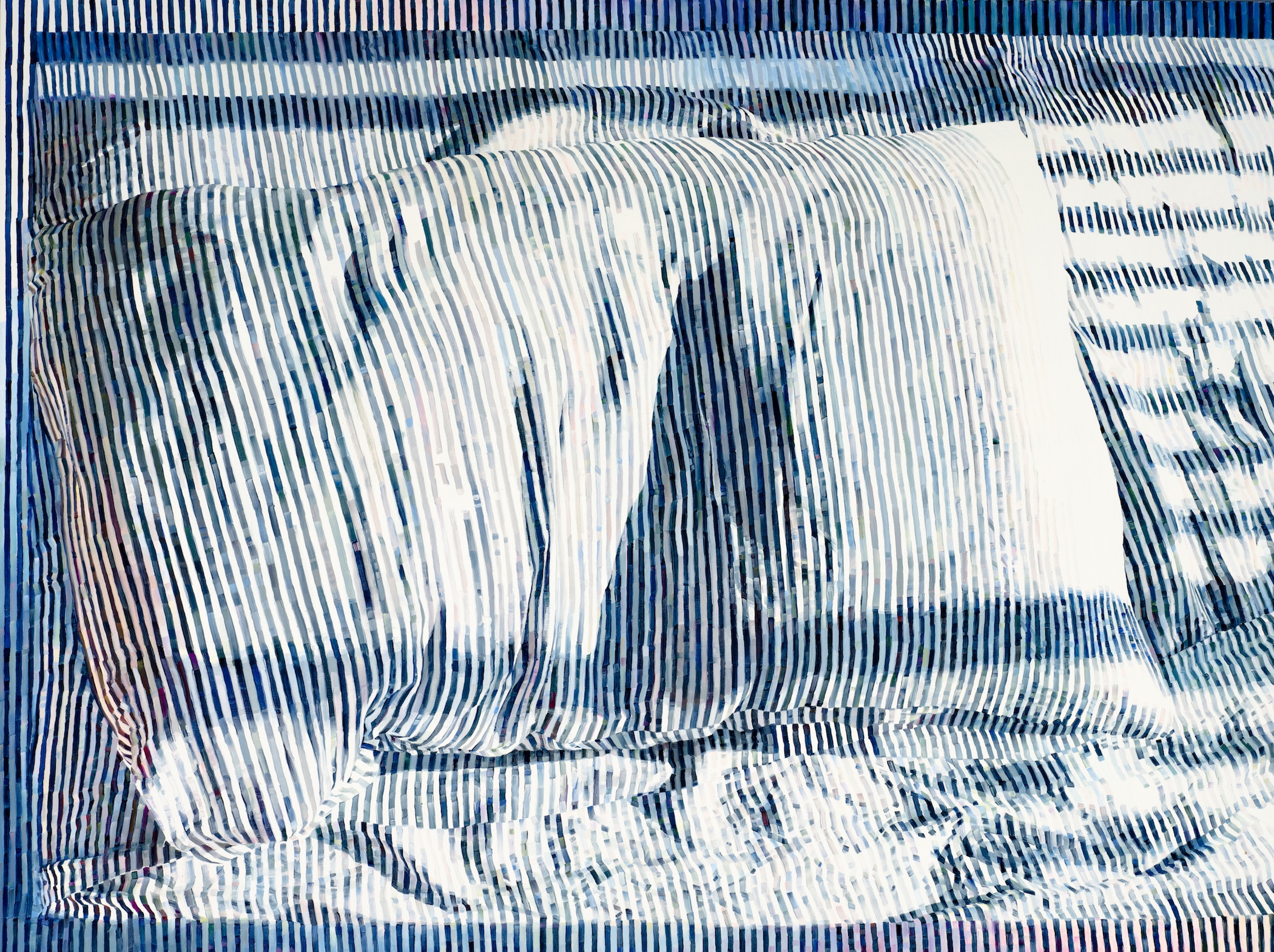
As for artists to watch at the Fair, too many favourites to name, however, I’m looking forward to seeing emerging artist Ruby Wilkinson’s paintings at Jhana Millers Gallery. We recently included a large-scale painted curtain in the group exhibition A Moment to Hold at The Arts House Trust, where her work was a real highlight for audiences. It will be exciting to see how her practice continues to develop over the coming years.
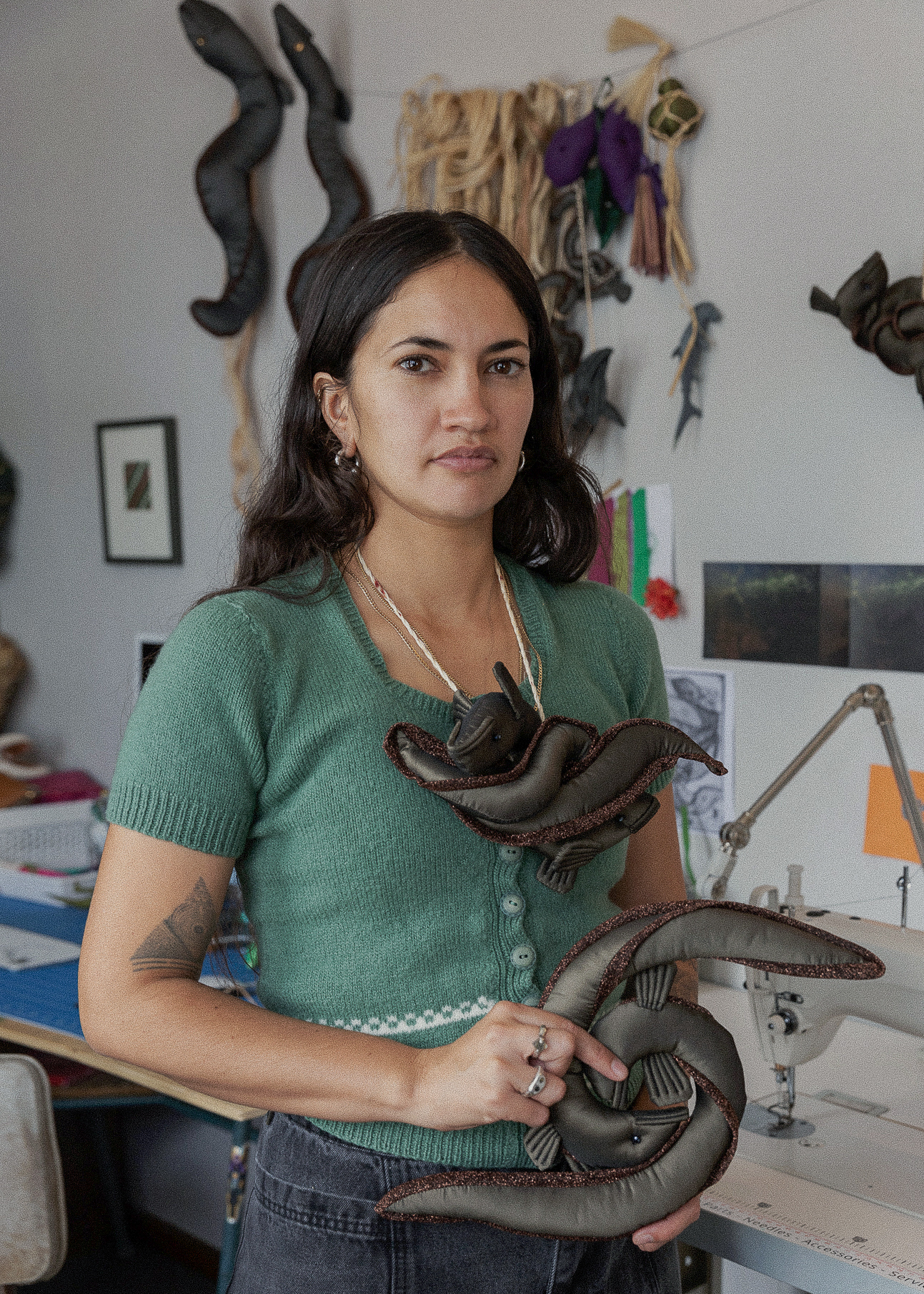

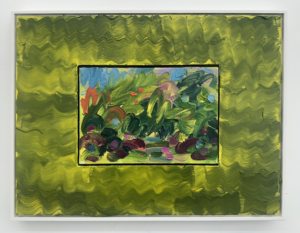
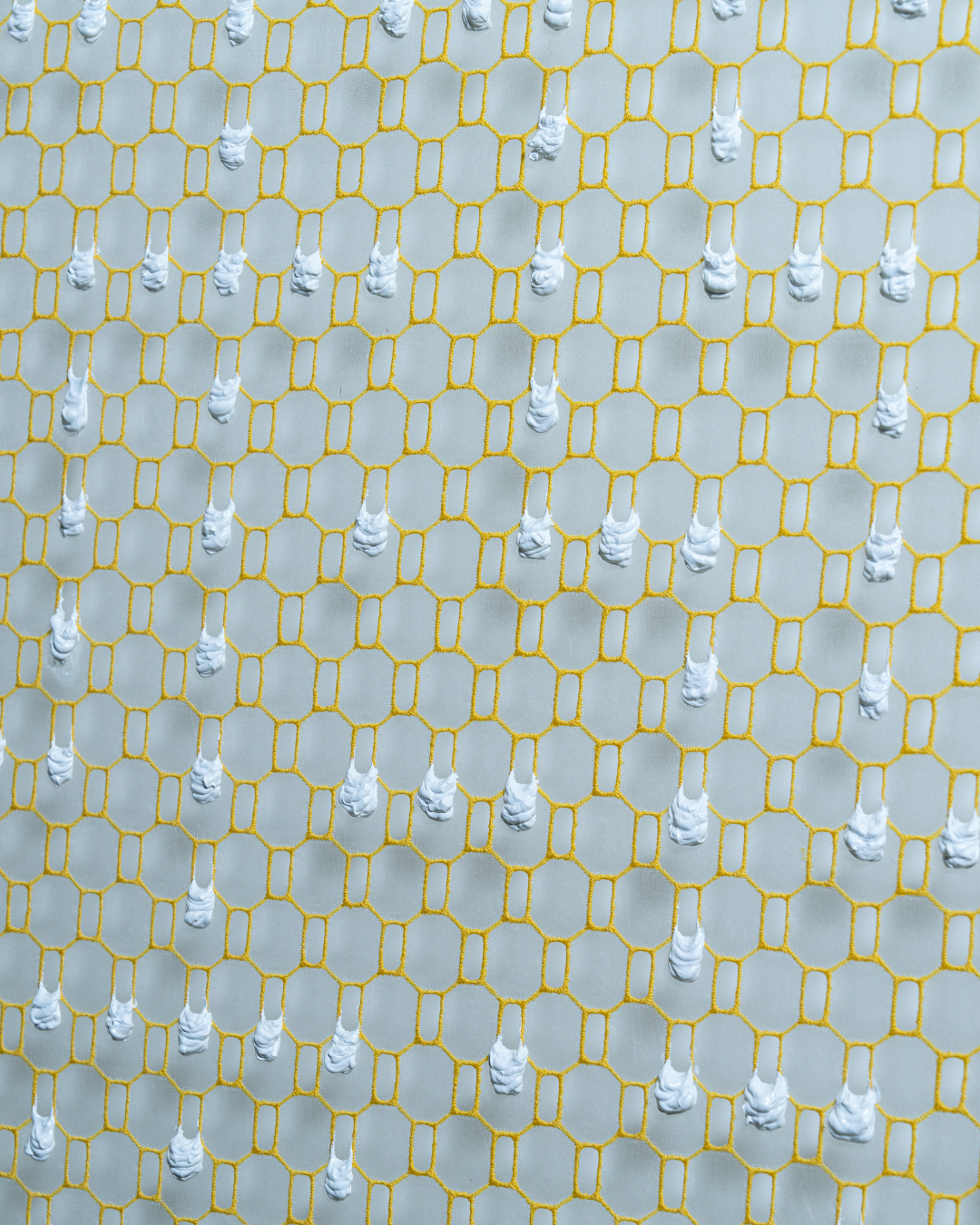
Ruby Wilkinson, Carmen, 2025, Jhana Millers

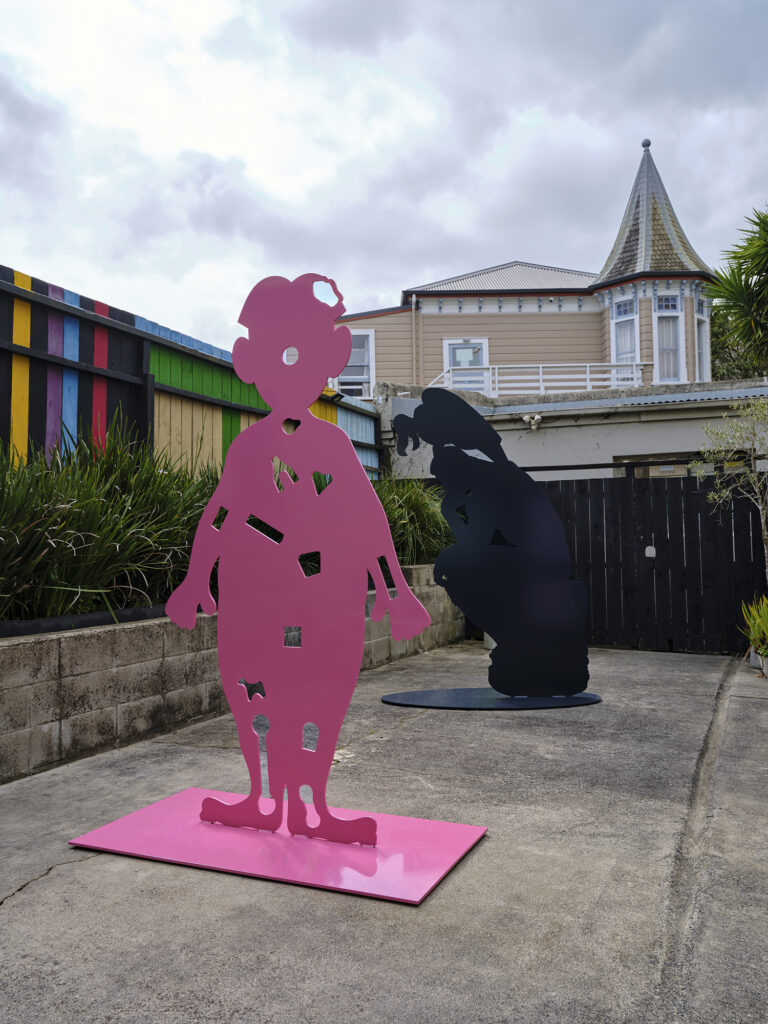
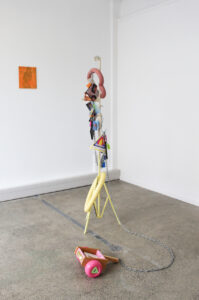
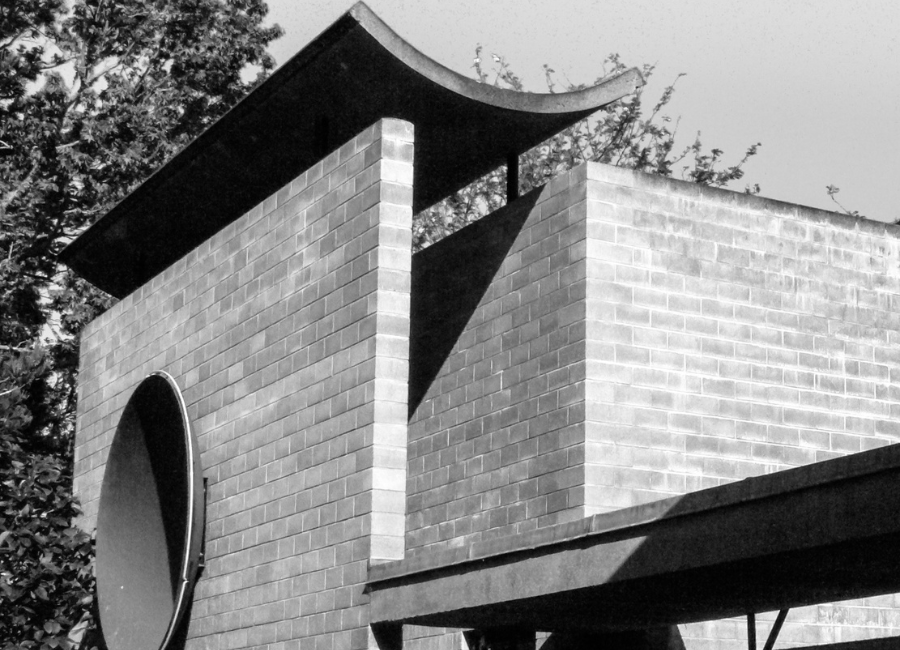
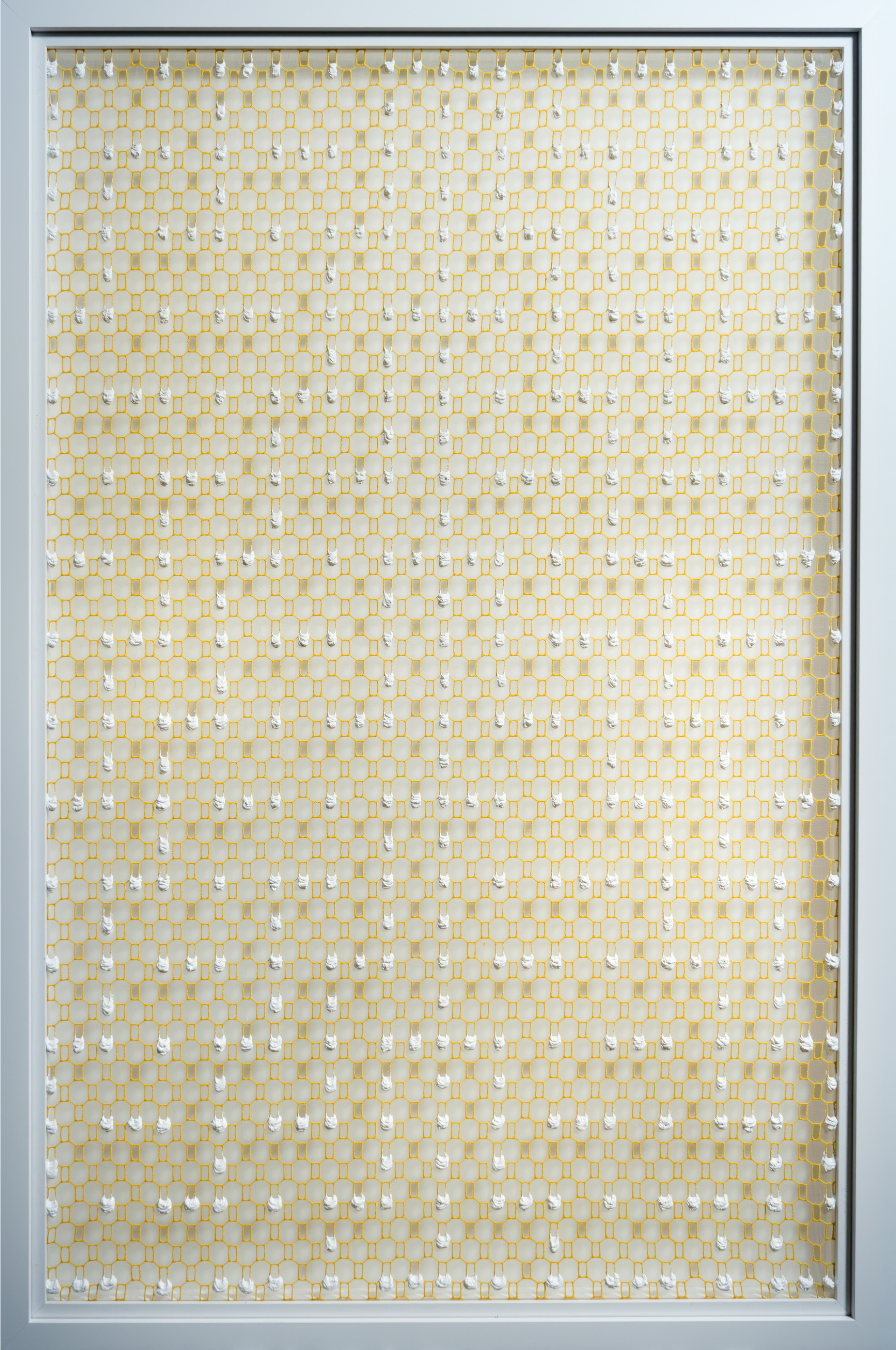
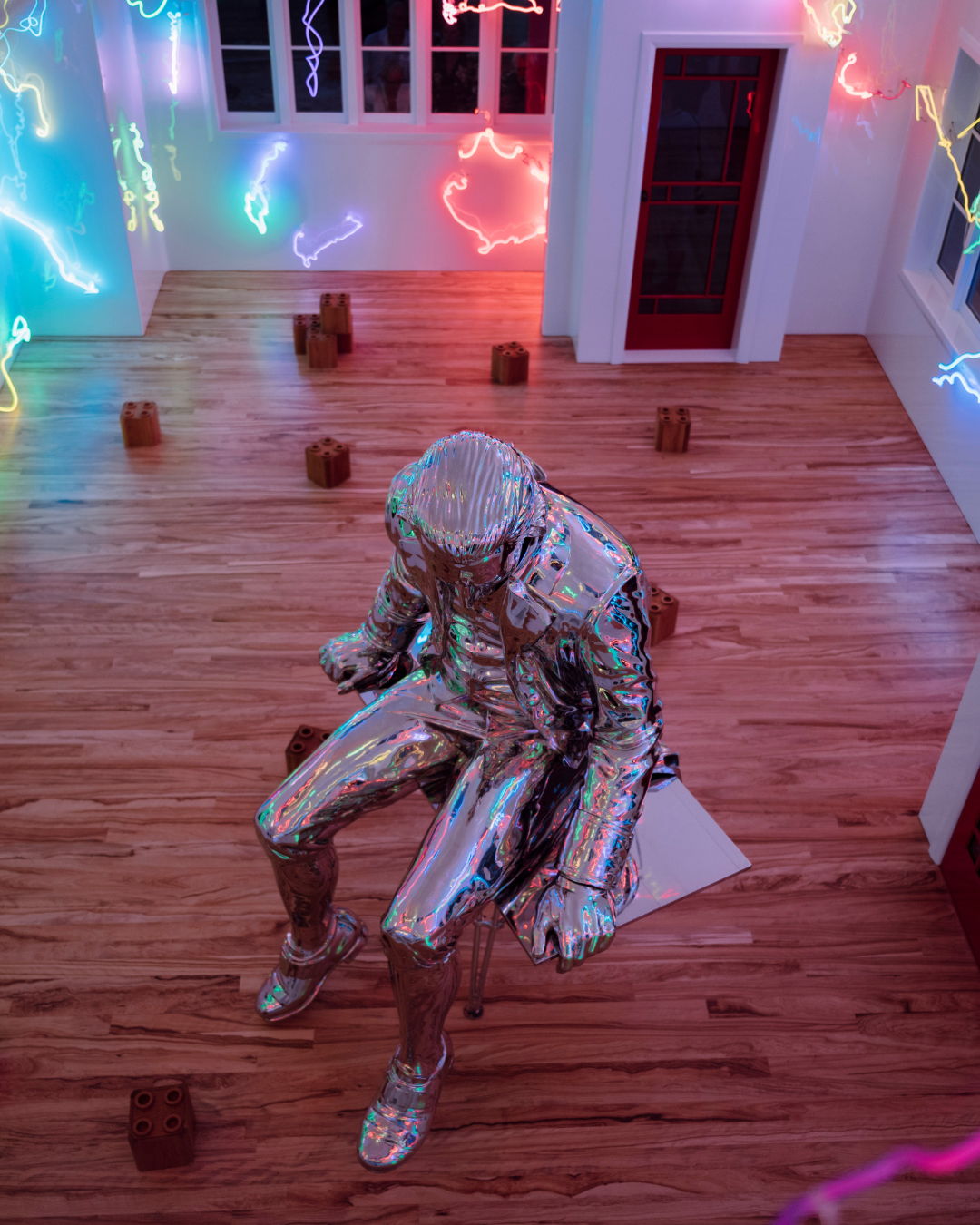
A likely crowd favourite, I’m especially interested to see Yona Lee’s solo booth with Fine Arts Sydney. Her site-specific installations have a way of completely shifting how you experience a space, often sitting somewhere between sculpture and architecture. I’m curious to see how this translates within the Fair, and how people respond to it.


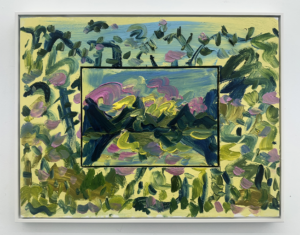
Installation View, Yona Lee, Draught, 2026, courtesy Fine Arts, Sydney

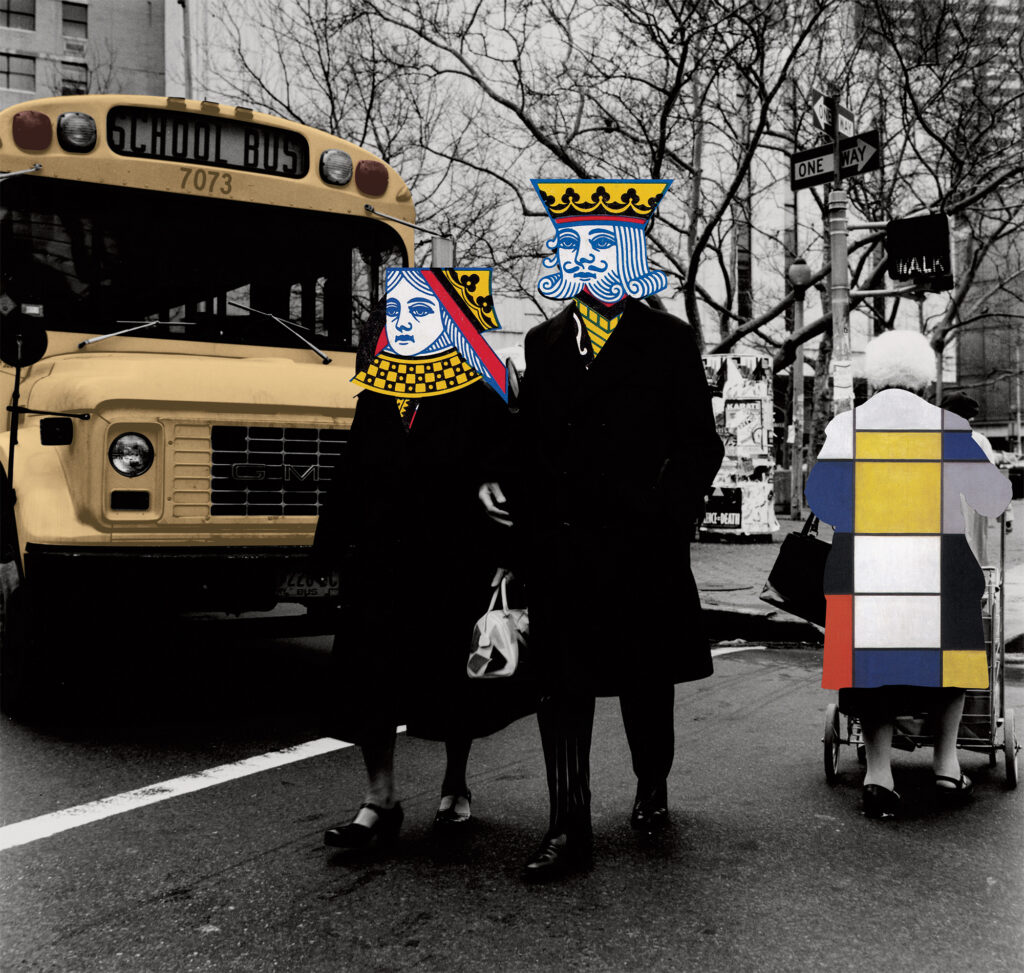
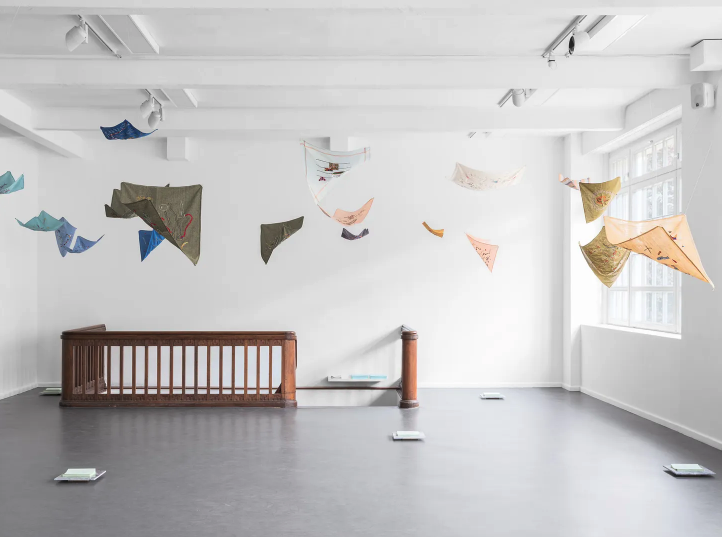
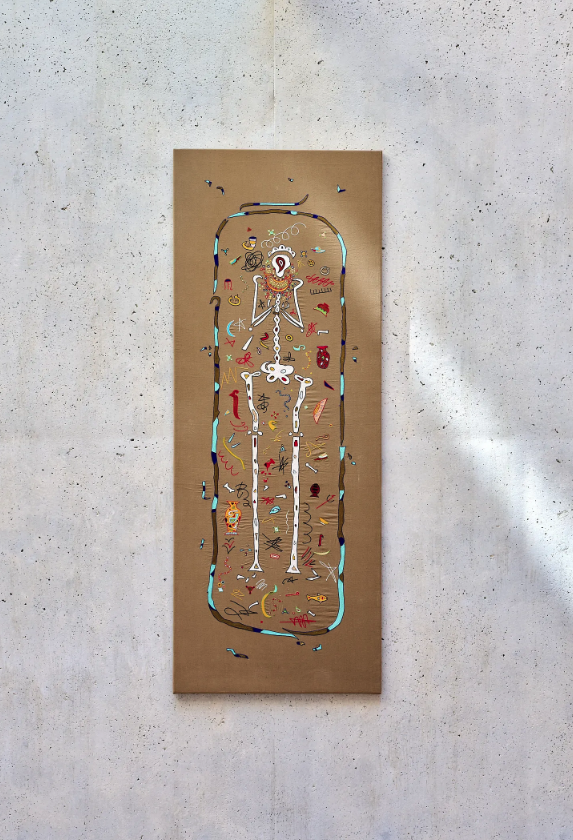
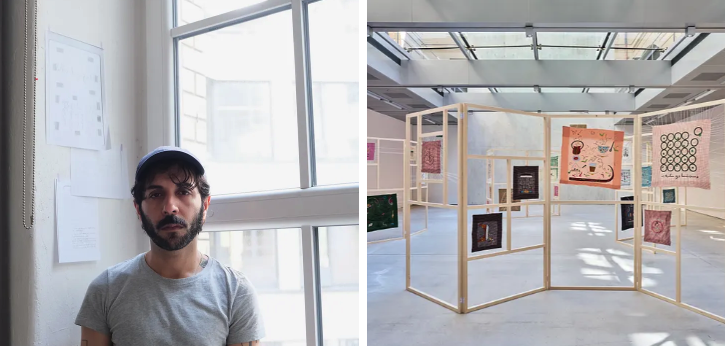
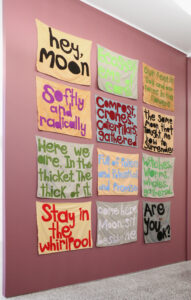
Gallerist Tim Melville will be hosting a solo exhibition of Areez Katki, featuring incredible and beautiful embroidered textile panels. Katki is described as a storyteller first, using fabric and thread to explore themes like mysticism, heritage and queerness. It will be great to see how the stories have unfolded over time.

Visit The Arts House Trust during the Aotearoa Art Fair 2026 and explore their current exhibitions:

Aotearoa Art Fair returns to the Viaduct Events Centre from 30 April – 3 May. Tickets are on sale now.

Sarah Hopkinson on Trust, Transparency & Artist-led Thinking

Coastal Signs approaches gallery-making as a collaborative and evolving practice, shaped by a commitment to transparency, dialogue, and artist-led thinking. Reflecting a desire to refine rather than radically reinvent, the gallery prioritising what feels lasting, meaningful, and ultimately more sustainable (and enjoyable) for those involved.

Ahead of Aotearoa Art Fair 2026, we spoke with Sarah Hopkinson about the lessons behind the gallery’s evolution, the importance of artist–gallery relationships, and the balance between structure and experimentation as Coastal Signs settles into a new phase in its Karangahape Road space.

Profile Cover Image: Sarah Hopkinson

___

How would you describe the spirit or ethos of Coastal Signs? What kind of artists or ideas tend to draw you in?

What makes Coastal Signs a little bit different from other commercial galleries is that it has a rōpū or artist board that includes all eight of the artists I represent. It’s my belief that artist’s should act as a gallery’s conscience, one way or another, so when I started afresh in 2021 (after 9 years with Hopkinson Mossman) we devised a way to bake more conversation and transparency into to the model. We meet less regularly than we used to when the gallery was new, but it’s still a functional rōpū and I think the artist’s influence is reflected in the programme and the spirit of the project in subtle but very important ways.

Installation View: Milli Jannides, Left – To Hand, 2024, Right – The possibility place, 2024, Coastal Signs

What did running galleries before Coastal Signs teach you, that shaped how you approach the gallery today? Was there a moment when you realised you wanted to work in a new way?

That’s a complex question with a potentially very long answer! In short, I think it helped me to focus on what is important and lasting. I developed the concept for Coastal Signs during the pandemic – it was a timely moment to re-think the gallery model that I’d only recently left, and people were perhaps more open to thinking experimentally at that time. In saying that, Coastal Signs isn’t radically different, I just made some changes behind the scenes to better reflect the way I was already working, and ultimately to make my job more… fun.

Shannon Te Ao, tama, 2024, Coastal Signs

What makes a great relationship between a gallery and an artist?

Trust, mutual respect, good communication.

Is there a tip you always give people who say they “don’t know much about art”?

Visit galleries and look at work as much as you can. Ask gallerists questions. Read art books.

Milli Jannides, Wide meshed nets, 2024, Coastal Signs

What are you presenting at the Fair, and why have you chosen this? 

We are showing new photographs by Shannon Te Ao, paintings by Milli Jannides, a drawing by Emma McIntyre. We also have some cool custom furniture by young local designers. We’ve curated the booth based on vibes.

Milli Jannides, The Prisoner’s Constraint, 2024, Coastal Signs

What’s happening next in the world of Coastal Signs?

We only recently moved into our new space on K Rd, so this is a year of consolidation. We have major solo shows by gallery artists coming up – Luke Willis Thompson is on in the gallery during AAF, followed by (relative) newcomer Tim Webby; and then Shannon Te Ao, Ruth Buchanan, and Ammon Ngakuru all have solo exhibitions in the second half of 2026.

Learn more about Coastal Signs’ presentation at the Fair here

Aotearoa Art Fair returns to the Viaduct Events Centre from 30 April – 3 May. Tickets are on sale now.

Henrietta Harris on Instinct and Experimentation

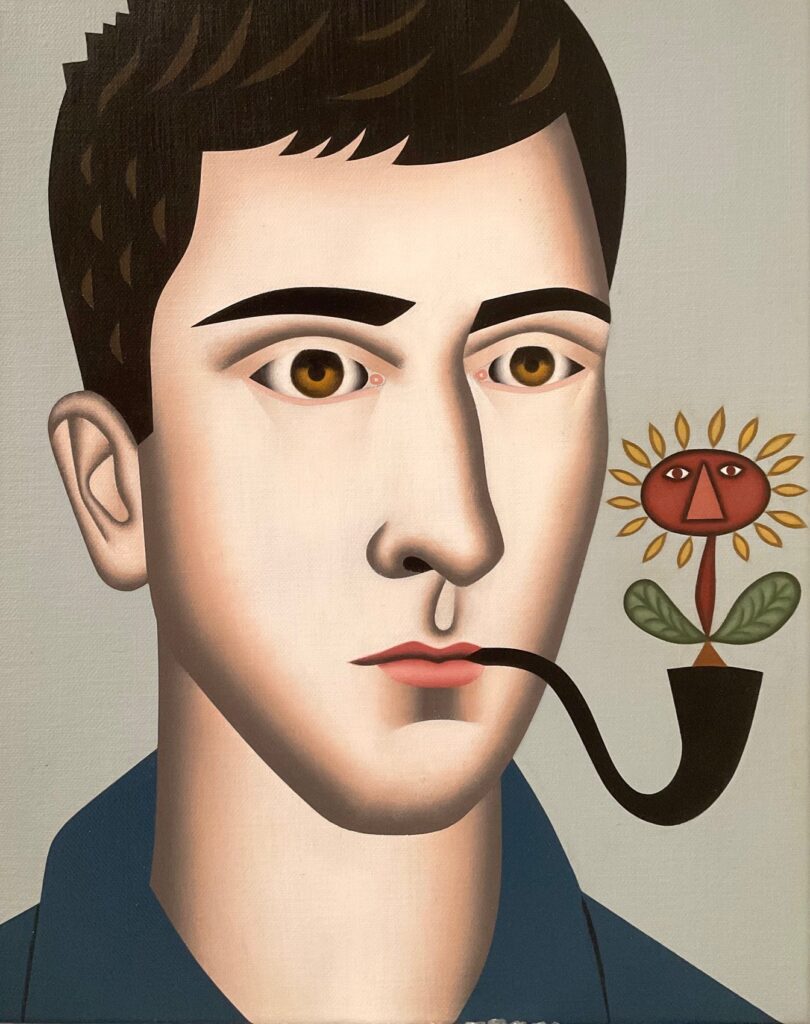
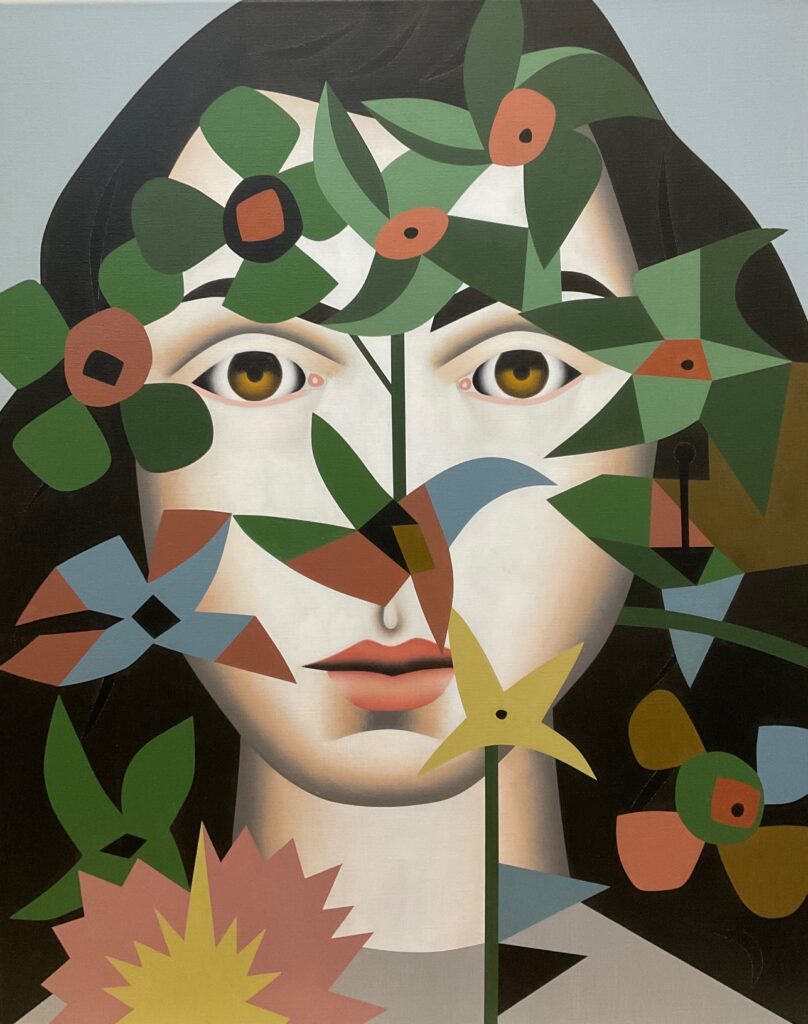
Henrietta Harris approaches portraiture as a space for subtle disruption, where familiar faces are unsettled through distortion and moments of visual “glitch.” What began as a resistance to tradition has evolved into an intuitive language that balances likeness with abstraction, while remaining grounded in close personal relationships that bring intimacy and psychological depth to her work.

Ahead of her presentation with Melanie Roger Gallery at Aotearoa Art Fair 2026, we spoke with Henrietta about the evolution of her visual language, the role of personal connection in her portraits, and the interplay between experimentation and instinct as her practice continues to expand.

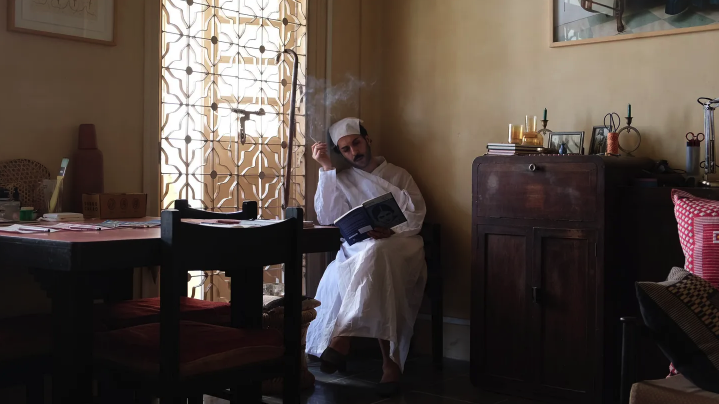
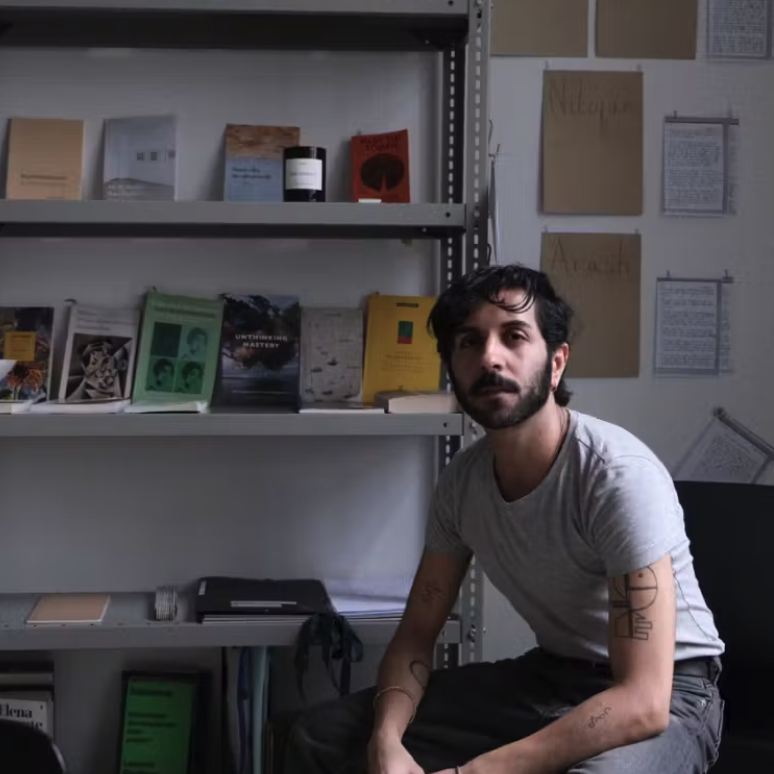
Profile Cover Image: Portrait Henrietta Harris, by Hannah Smith

___

Your portraits often play with subtle distortions – glimpses of faces fading, interrupted or mirrored. What interests you in the ‘disconnection’ in otherwise real, familiar faces?

It started when I was younger and didn’t want to simply paint traditional portraits. I spent a long time experimenting with warping and distorting the face, and many of my subsequent ideas have sprung from this initial experimentation. I’m interested in incorporating a bit of a glitch, an abstraction, some movement, into the paintings. I think originally it was to be a bit contrary but now it seems like second nature to me.

You’ve built a strong following both in Aotearoa and internationally, yet your paintings always feel deeply personal. How do you keep that intimacy intact when your work is so widely shared and collected?

I think it comes across on the canvas—my relationship with the sitter. For example, I’ve started a series of paintings of my nephews and have noticed a shift in the work; there’s a definite obvious connection there because we are so linked, their expressions seem more lively to me.

You often paint people close to you, capturing a kind of emotional honesty. Do you think of your work as documenting your own world, or more as creating entirely new ones?

It’s a bit of both, it’s natural for me to paint and draw the people around me and those who interest me but many of my paintings exist in a world all their own, suspended in time, which the background of the works dictates. Separating the somewhat realistic style of the paintings from photography is then more obvious, which is important to my practice.

You’ve worked across drawing, illustration, and music-related projects alongside your painting practice. How does moving between those different creative worlds shape the way you think about painting now?

I definitely enjoy switching it up, staying in one place forever doesn’t interest me. For example, the work I am making for the 2026 Aotearoa Art Fair will be a response to a residency I am taking part in, at Whakapapa Ski Fields at Mt Ruapehu. I’m really looking forward to doing my take on the landscapes and skyscapes up the mountain, and learning and reflecting on the impact climate change is having in this particular area of Aotearoa.

Photo – Scott Hardy

The Aotearoa Art Fair brings artists and audiences from across the region together in one space. What are you most looking forward to at the Fair?

Having attended several fairs worldwide, I definitely think the standard of the AAF is comparable to others globally. I look forward to seeing the wide variety of artworks up close- pieces I might not otherwise have the chance to view outside of a screen. I’m also looking forward to catching up with heaps of friends in the same place on the same night!

Learn more about Melanie Roger Gallery’s presentation at the Fair here

Aotearoa Art Fair returns to the Viaduct Events Centre from 30 April – 3 May. Tickets are on sale now.

Scott Perkins at Aotearoa Art Fair 2026

At the 2026 Aotearoa Art Fair, Michael Reid Sydney + Berlin presents a solo booth by photographer Scott Perkins, whose evocative landscapes offer a quietly immersive encounter with the natural world.

In his newest collection, Scott Perkins creates a space beyond the visible, capturing the viewer’s imagination through serene, atmospheric qualities.

Perkins orchestrates an elegant synthesis of photo-media and design elements, demonstrating innovation across printing, framing, and lightbox presentation. His lightboxes introduce a sculptural dimension to his photographs, transforming the spaces they inhabit with considered lighting and exceptional materials, including crafted timber, handmade Japanese washi, and metallic Hahnemühle papers.

Grounded in abstract landscape photography, Perkins’s accomplished aesthetic amplifies the majesty of his sharply composed subject matter.

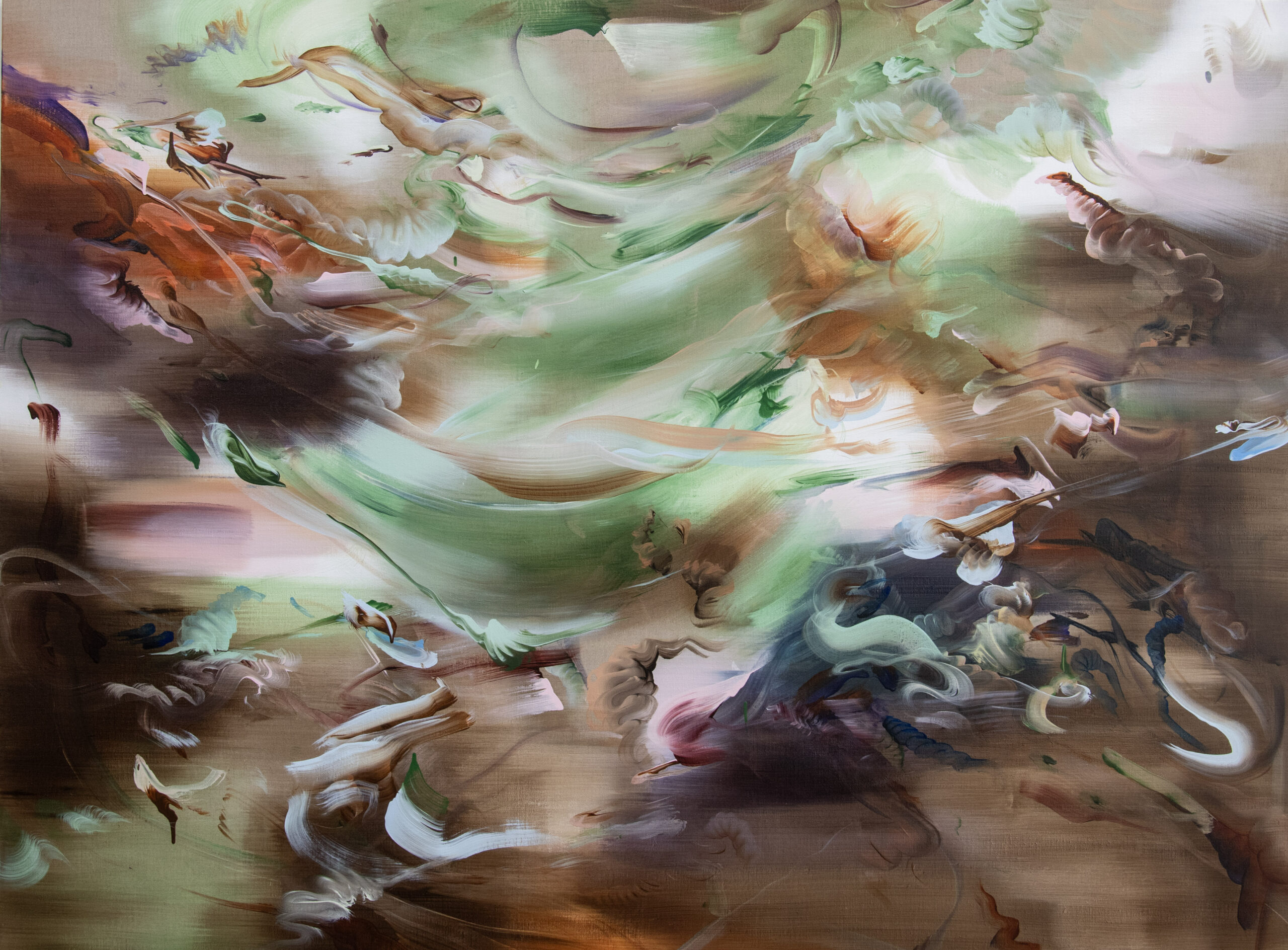
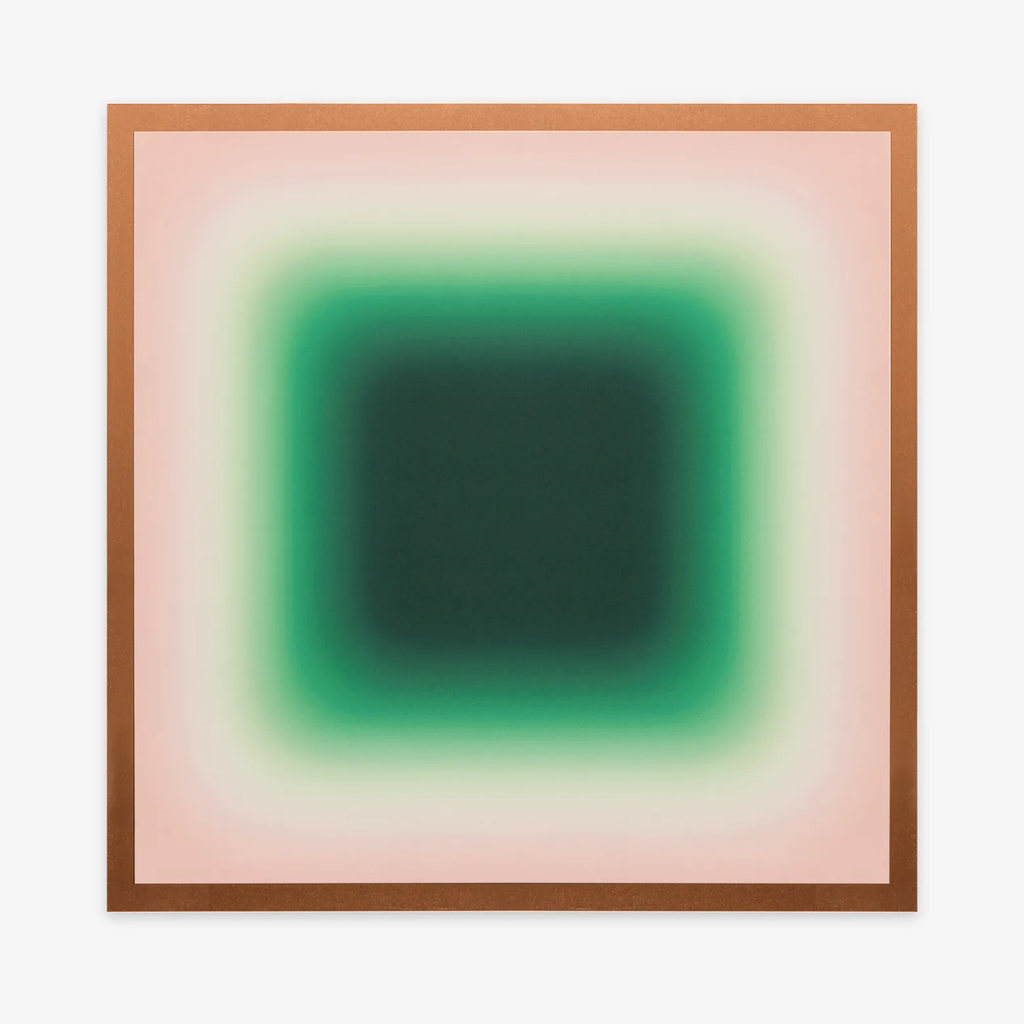
Profile Cover Image: Scott Perkins, Untitled 18, 2026, Michael Reid, Galleries

___

Light plays a central role throughout the presentation. Whether in the soft gradations of distant mountain ranges or the glowing intensity of backlit works, Perkins uses contrast and tonal depth to shape a sense of space that is at once expansive and intimate. His lightbox works, in particular, extend this experience—transforming photographic images into objects that emit their own quiet radiance.

“Mystery pervades the photographs of Scott Perkins… his landscapes can almost seem magical, as if we have floated gently into each scene, drawn irrevocably by the eloquence of land, sea, and sky.

At times Perkins prefers to focus long distance, so that his compositions become almost abstract – flat planes of ocean and sky divided by slivers of light or land. In others, we are drawn toward the landscape itself… where the play of light and dark defines individual forms with remarkable clarity.

There is something remarkable about the technical bravura of Perkins’ photographic practice… yet there is more than one kind of alchemy at work, as we, the viewers, are drawn inexorably into the very essence of each frame.

Paradoxically, while we see the land, sea, and sky through Perkins’ eye, they also become landscapes of the mind… we seemingly stand alone in the presence of an ineffable, primordial beauty.”

— Mary Kisler MNZM, 2025

Learn more about Scott Perkins’ presentation at the Fair here.
Presented by Michael Reid Sydney + Berlin

Aotearoa Art Fair returns to the Viaduct Events Centre from 30 April – 3 May. Tickets are on sale now.

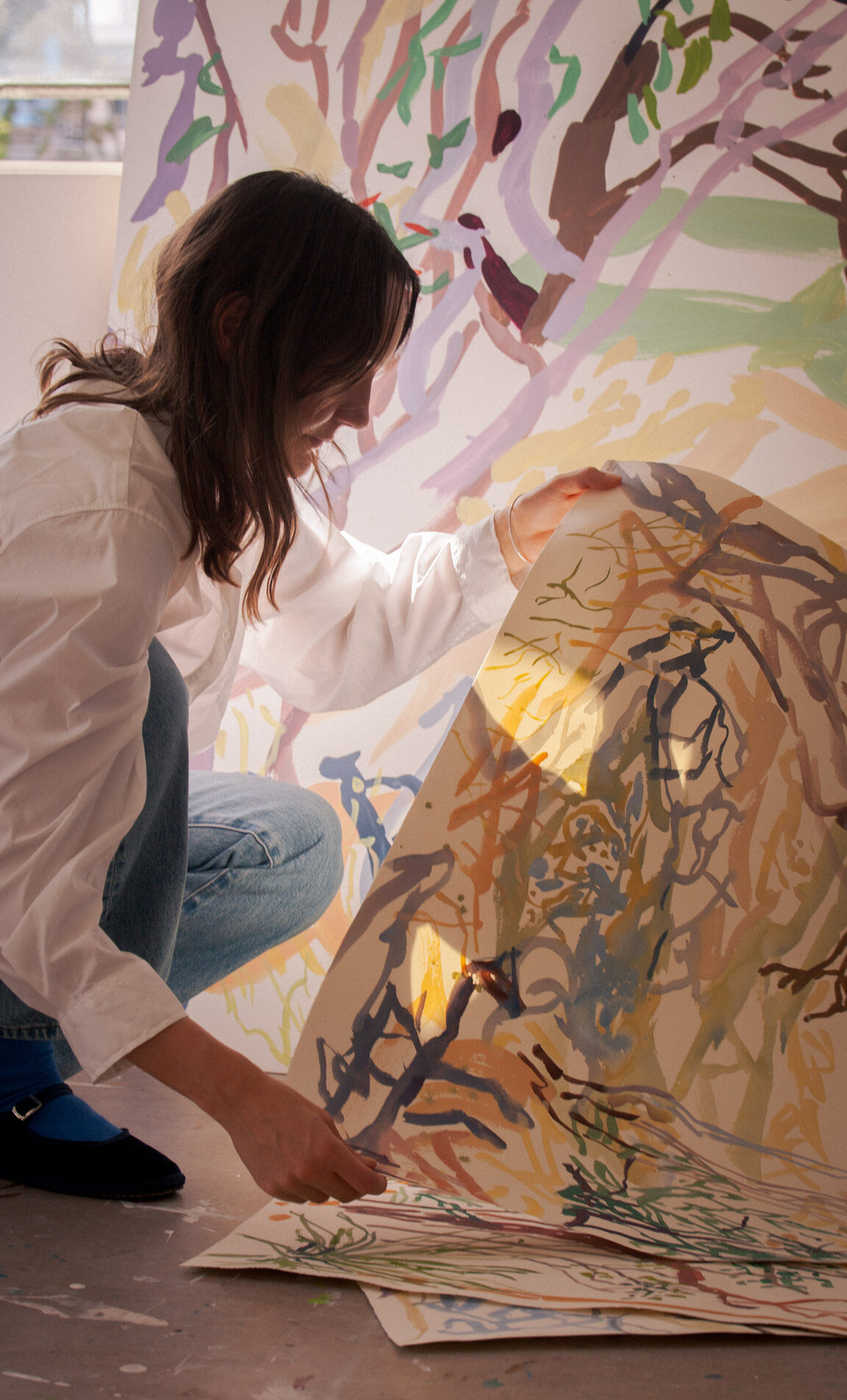
Ruby Wilkinson on Becoming an Artist (and Staying One)

Ruby Wilkinson approaches painting as both a sensory language and a form of observation, shaped by a lifelong instinct to document, gather, and translate the world around her. Rooted in personal memory, place, and an intuitive studio practice, Wilkinson’s paintings invite a slower kind of looking.

Ahead of her solo booth presentation with Jhana Millers at the Aotearoa Art Fair 2026, we spoke with Ruby about the early habits that shaped her, the shift from design into painting, and the routines, references, and pressures she’s navigating as an emerging artist finding her footing.

Profile Cover Image: Milly Bossley Hoyte

___

How did you get into art-making? Did you always want to be an artist?

I have been drawing and painting for as long as I can remember. When I was very young, I kept a book where I drew different birds as I discovered them. Each page showed a different bird drawn with crayons, labelled underneath. In primary school, I spent lunch times in the library drawing realistic pencil sketches of trains, copied from books and online photos. Each train took me several sessions to finish. I loved documenting and collecting my drawings in books, as well as showing them to people. I was lucky to grow up surrounded by artwork from my family—Geoff, Don, Suzanne Thornley, and Diana Halstead. My dad, Richard, is also an artist, and I remember painting Don Binney replicas with him on weekends. Artwork was always around. I enjoyed art and art history at school, though being an artist wasn’t always encouraged. I didn’t realise I wanted to be an artist until university. I began studying a Bachelor of Visual Communications Design, but quickly saw it wasn’t for me. Painting and drawing electives with Massey University lecturers Simon Morris and Gabrielle Amodeo changed everything. My world opened, and I couldn’t imagine doing anything else.

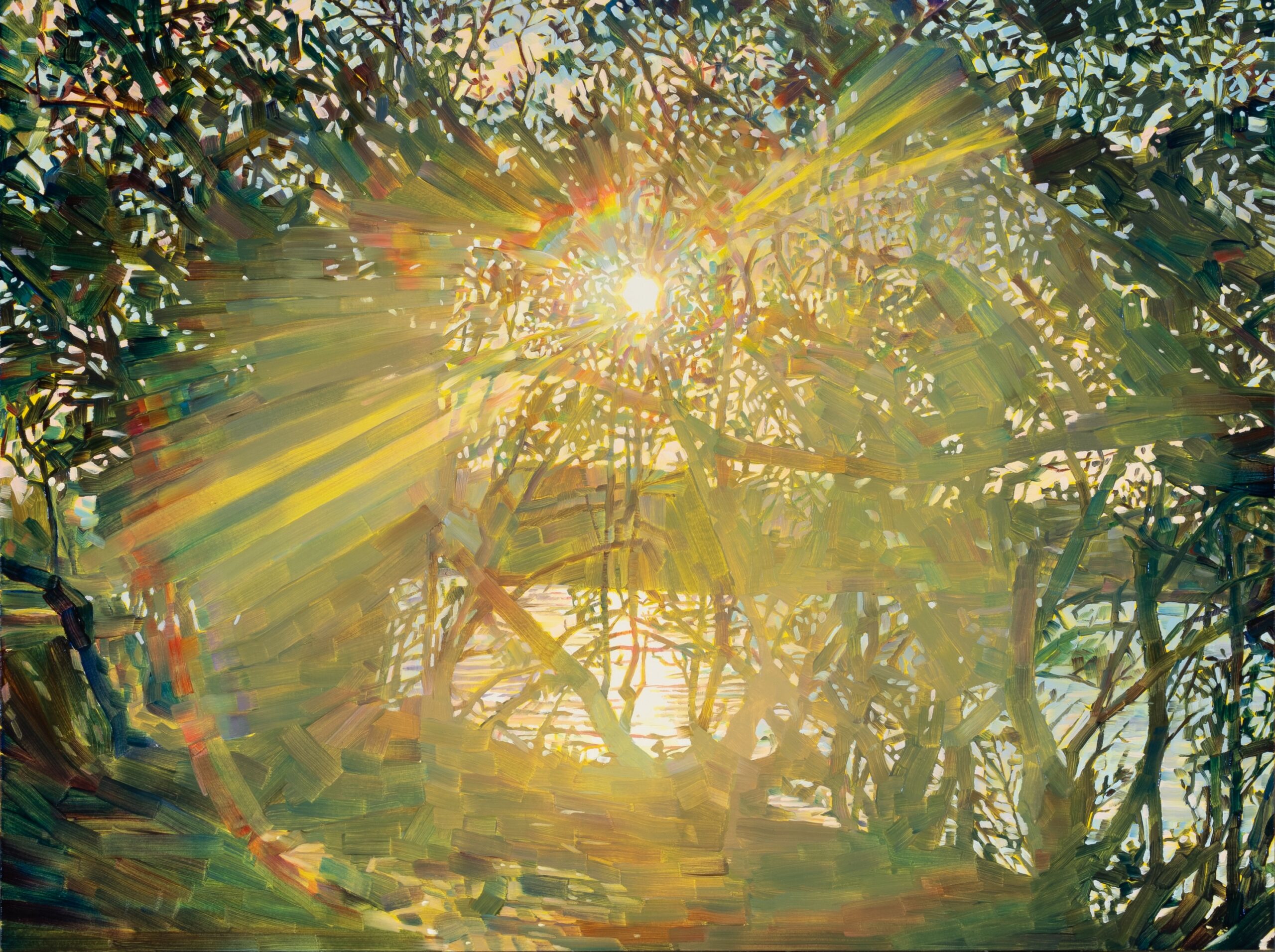
Ruby Wilkinson, Harbouring, 2025-2026, Jhana Millers

Your work often evokes sensory experience and atmosphere. How do you translate emotion into paint?

I attempt to build an emotionally charged language through paint, form, colour and gesture, which have been translators of emotion for decades. I don’t think what I am doing is anything particularly new. I do, however, feel as if the wider conversation and trajectory of painting abstraction is limitless and has only just begun. In the studio, I like to work from printed photographs taken on my phone and other gathered physical ephemera. I like to arrange the studio with certain visual source material items when leaving in the evening, so it is ready for the morning. I practice guided meditations before a painting session. I feel this allows me to quiet my mind from outside noise, even if just temporarily, while making. Sometimes I work listening to selected albums or NTS radio shows specific to genres/sensations/emotions I am trying to engage with in my work.

I find it essential to have room for the unexpected and ‘bad’ paintings. When working intuitively without the tools of preplanning, I cannot predict what the paintings will become. This allows for the marks and gestures to record the emotions held at the current time when working. Also within this leeway, I like to let paint dictate its own essence, to then have a conversation with its behaviour and reactions. Movement is essential behind my use of gesture. Before becoming an artist, I had an interest in becoming a contemporary dancer. Contemporary dancing and painting share similarities in being non-verbal forms of communication. Expressing without words.

Photo by Adrian Vercoe

What are you exploring for your Fair presentation? Any new mediums or directions?

There are a few paintings in this work, Belle Plaine, that are almost figurative. This has been something I have been working with for a while now, the line between abstraction and figuration. I am interested in pushing and challenging the constructs that are placed onto artists, particularly those in early career stages. Sometimes I like to think of my work as aligning with impressionism. Belle Plaine is responsive to light in Tāmaki Makaurau. This was my first time making a body of work in Tāmaki – working from my south-facing studio in Onehunga and living in Titirangi has heavily shaped my use of colour, form and gesture. I am always seeking those peripheral influences that end up in the paintings; some do not become apparent until further down the line, and some remain unknown. On driving home around 7PM after a studio day via Hillsborough road – a road I have driven on countless times over my life; buildings, residential and commercial, come and go, but the ground remains still. There is a point on Hillsborough Road where the Waitākere Ranges become visible. Sprawling and holding the loudness of the West Coast behind. In the evening, it is common for violet greys and burnt oranges to dance the skyline as if the coast is trying to speak, and affirm my day’s labour. Belle Plaine holds that sentimental value of returning home, the importance of place, self, and associations.

Photo by Milly Bossley Hoyte

Ruby Wilkinson, Trek, 2026. Oil on canvas. 1500 x 1250. Jhana Millers

As an emerging artist, what does exhibiting at the Aotearoa Art Fair
mean to you?

The Art Fair offers a platform for artists and the public to view a diverse range of work in one location. We can’t be everywhere all at once. I often find myself missing certain exhibitions/openings during the year due to whatever location I am working from (currently Naarm). The Fair is a great way to see an abundance of work in one time and place, and to fill the cup. Having my work at the Art Fair allows me the opportunity to show my work alongside some of the greats; people who have influenced my practice and artists who have helped pave the way for me to be here today. I feel immensely grateful to be at the table.

For visitors unfamiliar with your work, what should they look for first when engaging with your new paintings?

Some of the forms reference human knees, although these knees may not be visible at first, they are the connecting grounding ligaments across the work, returning the compositions to the weight of the body. Throughout Belle Plaine there is also a selection of moth impressions. Living in the Waitākere ranges while making this work, there is a wide range of native moths residing in the bush. To me, a visit from a moth can mean a visit from someone of the deceased, a ghost, or an ancestor. In my painting “Limbo”, I have painted a nimbus behind the moths, being a symbol used historically in painting; a luminous cloud or a halo surrounding a supernatural being or a saint. I hope my paintings can offer viewers a pause from the noise of the outside world, a space to reflect, mediate and be.

Ruby Wilkinson, Martha, 2025, Jhana Millers

Where do you see yourself and your practice, in 5 years?

I can’t imagine ever putting down the paintbrush; it feels like a life necessity to me to be painting forever. Although I do hope to expand on the larger installation side of my practice, akin to my recent work Parade. The next two years will be spent studying my Master’s of Fine Arts at the Victoria College of Arts in Melbourne. I am looking forward to returning to academia and the art school environment and seeing what new perspectives I can bring to my work by being here. Whilst in Naarm, I will also be engaging in a cultural and linguistic reconnection with my Lebanese heritage as part of my study, which I am sure will have a deep impact on my practice.

Learn more about Jhana Millers’ presentation at the Fair here

Aotearoa Art Fair returns to the Viaduct Events Centre from 30 April – 3 May. Tickets are on sale now.

What Drives Sarah Lindsay’s Deeply Personal Approach to Collecting

For Sarah Lindsay, founder of Sala Studio, collecting did not begin in galleries or through conventional pathways, but in small, instinctive acts of care. Growing up without access to the art world, she found her way to it through improvisation, shaping meaning from what was available and learning early that living with beauty could be an act of devotion. Today, her approach to collecting remains deeply personal and relational, grounded in community, storytelling, and a belief that art is not about status, but about connection, memory, and the quiet rituals of everyday life.

Image Credits: Larnie Nicolson, Home Style

___

How did collecting art first enter your life?

I grew up on a small British council estate where galleries were not part of our lives, but my mum would save the free catalogues and I’d make collages for my bedroom walls. I think that was my first act of stewardship. I did not own the works, but I rearranged them, and borrowed fragments of beauty.

I have always felt compelled to make spaces feel held and intentional, because to adorn a space is, in many ways, a form of devotion. As I found my way into creative communities, collecting became deeply relational. I am incredibly lucky to have friends who create, and we live an economy of exchange, trading skills, services, time, and care, so I started a collection with little more than pennies in my pocket. When I eventually had access to disposable income, my husband and I decided to stop exchanging anniversary or birthday gifts and instead created a shared art fund, something we contribute to collectively so that the works we bring into our home feel like part of our shared story.

How does art sit within your home and daily life?

Art is woven into the everyday fabric of our home. My daughter, O, is growing up surrounded by the fruits of female creative labour, and many of the artists on our walls are women she knows personally. There is something profoundly normalising about that closeness, because creativity is not abstract or elevated beyond reach for her, it is embodied and relational.

The works hold me in my current landscape of Tāmaki Makaurau, acting as threads that connect me to this place, to the women shaping it, and to the conversations unfolding here. Art is not decorative in our home, it is part of our family ecology.

Has your perception of collecting changed over time?

Completely. For a long time I carried the belief that art belonged to certain people, educated people, wealthy people, people who felt at ease in cultural spaces, and it took me years to feel that I deserved to live with art, and that what moved me genuinely counted. Growing up impoverished is not only about money, it is about proximity to possibility. When you are not exposed to certain worlds, you internalise the idea that they are not yours, and I had to unlearn that, and in many ways I still am. Now I see collecting as something deeply human. We have always gathered, shells, stones, letters, ticket stubs. Saving and savouring is intrinsic to us. Art is simply an extension of that instinct. It is not about status, it is about saying, this moved me, and I want to live beside it.

Are you instinctive when you buy works, or do you sit with decisions? Is there a common thread?

I am instinctive first, yet instinct is always followed by a kind of courtship. Before I commit, I spend time researching the artist, understanding who they are, what they stand for, and which conversations they are entering. I want to understand the ecosystem of their practice, because if I am bringing their work into my home, I want to know that I can be a thoughtful custodian of their story.

There is a thread that runs through my collection, women, narrative, figuration, material play, yet I did not impose that coherence. It revealed itself gradually. I am often drawn to work that sits between contemporary and classical languages, a fruit bowl turned upside down, a portrait built up in thick oil so textured it feels almost alive, fabric used where you might expect paint, gestures that carry history while also disrupting it.

What role do art fairs play in how you discover and connect with artists?

Art fairs are vital because they collapse distance. Standing in front of a work allows you to feel its scale, its physicality, its energy, and often to meet the gallerist or the artist themselves, which brings a human dimension that cannot be replicated online.

Last year at the fair I bought a veil by Jade Townsend, even though I had firmly told myself that I was not in a position to purchase anything. It was the first booth and the first piece I saw, and I knew immediately that I could not leave without her. That is the power of encountering work in real life, it bypasses the rational mind and speaks directly to something instinctive.

Practically speaking, tools like My Art also make collecting more accessible, because being able to purchase slowly and interest free removes some of the intimidation and allows more people to participate in patronage in a sustainable way.

Do you approach a fair with intention, or let yourself be led?

I am on a dating app at the fair, I am looking, yes, but I am also open to being chosen. I am searching for something that might find me as much as I am seeking it out. There is something symbolic in that exchange, because the right pieces and the right artists are also looking for custodians who will live with their work attentively. I try to remain porous enough to be surprised.

What advice would you give to someone at the beginning of their collecting journey?

  • Begin with curiosity rather than confidence. Ask questions, speak to gallerists and artists, and allow yourself to discover artists you may never have heard of before. Remember, these people want you to engage with art. They will not shame you for asking questions although it can feel alien or scary to many of us.

  • Buy what genuinely moves you and try to ignore the external noise about what a collection should look like. Let your home fill slowly, live with fewer pieces, and notice what continues to resonate before adding more.

  • Work within your means, honour your budget, and reject imposter syndrome, because you do not need permission to love something.

  • Follow an artist if you love them. Just because it’s not in your budget now, you never know what the future holds. Sometimes they have fundraisers or auctions where you can find work cheaper and sometimes something that seemed unattainable becomes achievable for you.

Collecting, at its best, is an act of care. It is a quiet way of saying that this story matters, this voice matters, this moment in time matters, and that you are willing to live alongside it.

Learn more about Sala Studio

Aotearoa Art Fair returns to the Viaduct Events Centre from 30 April – 3 May. Tickets are on sale now.

Peggy Robinson on PEG Gallery and her Values-Led Approach

After stepping into ownership with the opening of PEG, Peggy Robinson brings a deeply considered, values-led approach to contemporary gallery practice. Building on years of experience working closely with artists and collectors, her transition from Gallery Manager to Gallery Owner marks not just a shift in title, but a thoughtful redefinition of how a gallery can operate, grounded in care, accountability, and connection.

Image Right: Portrait by Russell Kleyn

___

You opened PEG recently after a long tenure at another gallery – how was the transition from Gallery Manager to Gallery Owner?

I feel incredibly fortunate to have gained foundational experience from my previous role. Working closely with artists to develop exhibitions, introducing clients to practices with care, and nurturing meaningful, long-term relationships have all given me a deep understanding of what responsible gallery work entails.

Opening PEG required me to reflect carefully on my role, how I work, and why I do. As a Pākehā-led gallery, I am committed to upholding Te Tiriti o Waitangi and am continually learning how to do this more meaningfully. The gallery is shaped by this commitment, along with a dedication to forming meaningful relationships with artists and communities.

Ownership makes my kaupapa visible and accountable. There’s a vulnerability in that exposure, but it’s precisely what gives the work its meaning; it asks me to stand firmly in my values and show up with transparency, integrity, and care for the artists and community who place their trust in me. PEG operates within a framework called Te Raranga Pū Toi, which weaves together artistic practice, trust, and shared vision. This framework moves away from traditional models of representation, instead focusing on partnership and ongoing dialogue.

Reece King: Halfway to the Splits, installation view

How does the Wellington arts community influence the way you operate and present your gallery?

Wellington boasts an active, thoughtful, and caring arts community. I stay attuned to the conversations the city engages in and wishes to engage with, whether they concern public infrastructure, intimacy, ritual, or the social systems that shape our daily lives. There is space here for both seriousness and a touch of cheekiness to coexist.

Because the community is so interconnected, exhibitions serve as points of exchange rather than isolated events. The gallery isn’t separate from its surrounding ecology; it is part of an ongoing dialogue that fosters connection and inquiry. The support surrounding this new space has been energising and moving. The community has shown up in every way—through conversations, encouragement, and shared energy—shaping how the gallery feels and evolves.’

Reece King: Halfway to the Splits, installation view

How does PEG’s programme reflect your curatorial interests and advocacy for artists?

PEG is an exhibition-led space. Each show offers a chance to generate kōrero, often between artists who share a kaupapa or conceptual concern.

While solo exhibitions are important—providing artists with space to present substantial, cohesive bodies of work—I am equally dedicated to creating contexts where different practices sit alongside one another. Not necessarily as collaborations, but as forms of tautoko (support). Practices do not develop in a vacuum; they are shaped by their environment. Bringing practices into proximity makes that exchange visible and vibrant.

For me, advocacy involves creating conditions that allow that exchange to flourish. It’s about supporting ambitious production, thoughtful placement, and fostering communities centred around artists’ practices. Through exhibition-making, PEG aims to broaden not only audiences but also networks of shared learning and dialogue.


Installation View, Āhua wai: Olivia Asher, Megan Brady, Pepi-Joy Gilgen, Sara Tautuku Orme, 2026

Who are you showing at the Fair and why? Is there anything you think will surprise visitors?

We’re showcasing a selection of works by Ed Bats, Hannah Valentine, and Ben Pyne. All three artists create their work from their homes, which serve as studios, testing grounds, and living spaces simultaneously. This shared condition and a conceptual interest in the domestic realm shaped this presentation.

Their works include lights, shelves, furniture, impressions and sculptural objects. They reflect everyday objects, blurring the boundary between art and utility. There’s a sense of intimacy and tenderness, suggesting they belong in lived-in spaces.

Unlike the large, declarative gestures often seen at fairs, our booth will feel more characterful and homely. We aim for it to be welcoming and familiar, like stepping into someone’s thoughtfully curated living space. It’s an invitation to experience what it truly means to live with art, allowing it to become part of your daily life.


Ed Bats, Installation View, 2026

What’s your take on how art fairs help deepen conversations between artists and audiences?

Art fairs bring together artists, galleries, and audiences, enabling visitors to experience a diverse array of practices in one moment. For artists, much of their presence is mediated through their galleries. This makes fairs a vital opportunity for advocacy, enabling galleries to contextualise work, share knowledge, and discuss artists’ intentions and processes in depth. Audiences gain direct access to the artwork and to people who understand those practices intimately. Fairs act as catalysts for connection between artists and audiences, and equally between galleries and audiences. They provide a snapshot of what matters to our arts community at present, and, when approached thoughtfully, those initial conversations can develop into lasting relationships beyond the Fair.

Learn more about PEG Gallery’s presentation at the Fair here

Aotearoa Art Fair returns to the Viaduct Events Centre from 30 April – 3 May. Tickets are on sale now.

Curator Kenneth Brummel on ‘Pop to Present’ at Auckland Art Gallery

To coincide with Pop to Present: American Art from the Virginia Museum of Fine Arts, a landmark exhibition presented at Auckland Art Gallery Toi o Tāmaki, Aotearoa Art Fair spoke with curator Kenneth Brummel about the ideas, provocations and curatorial decisions shaping this expansive survey of post-1945 American art. Opening with an iconic 1948 drip painting by Jackson Pollock and closing with a poignant sculptural assemblage by the Alabama-based artist Thornton Dial, this presentation of 52 compelling works from the world-renowned Virginia Museum of Fine Arts offers a comprehensive overview of the principal themes and styles shaping American art since 1945. In this Q&A, Brummel reflects on questions of representation, politics and popular culture, and on how this major international exhibition resonates within an Aotearoa New Zealand context.

About Kenneth Brummel: Formerly Curator, International Art, at Auckland Art Gallery Toi o Tāmaki, Brummel now works at the Indianapolis Museum of Art at Newfields, where he oversees the European Art collection of approximately 1,000 works, including the renowned Clowes Collection, which includes a notable early self-portrait by Rembrandt. He will also lead forthcoming gallery reinstallation emphasising inclusive storytelling, global connections, and accessibility.

___

The exhibition includes 28 works by women and African American and Indigenous artists in Pop to Present. How did you and the international curators from the Virginia Museum of Fine Arts, approach questions of representation and diversity in your curatorial selections?

Alexis Assam and Dr. Sarah Powers, the co-curators of Pop to Present: American Art from the Virginia Museum of Fine Arts, created a checklist that reflects their organization’s collecting history and practices. In 1985, Sydney and Frances Lewis, who ran a mail-order catalogue business called Best Brands, donated high-quality examples of Abstract Expressionism, Post-Painterly Abstraction, Pop, Minimalism and other post-World War II movements to the VMFA, transforming the profile of that institution’s collection of recent American art. Building upon the Lewis’s progressive vision and generosity, curators since the 1990s have been actively diversifying the VMFA’s holdings of post-1945 American art with targeted acquisitions of works by Black, Latinx, Indigenous and women artists. Working closely with Alexis and Sarah, exhibition designer Scott Everson and I selected works from the checklist that fit in the Gallery’s special exhibition spaces and supported the exhibition’s aim to tell an inclusive story of American art by putting diverse artistic voices in conversation with canonical figures.

An excellent example of this is the early work by Kehinde Wiley Williem van Heythuysen which is a stunning portrait of an African American man dressed in a tracksuit and Timberland boots, in the style of the old masters. What themes or conversations do you think Wiley’s Williem van Heythuysen opens up for viewers?

Wiley’s Willem van Heythuysen (2005) raises questions about Black excellence, Black beauty, the visibility of Black bodies in the Western canon, the notion of Black aesthetics, and the representational politics of Blackness and queerness in the United States of America.

Jackson Pollock’s drip painting opens the exhibition. Can you talk about that curatorial choice and how it sets the tone?

When reviewing the checklist for the exhibition, I was struck by the superficial formal similarities between Pollock’s Number 15, 1948 (1948) and Thornton Dial’s  Foundation of the World (A Dream of My Mother) (2014). To me, Dial’s polychromatic sculptural assemblage was a three-dimensional version of Pollock’s skein of white, red, yellow and blue pigments. As I wanted to honor the Virginia curators’ vision of putting diverse artistic voices in conversation with canonical figures, I asked Scott if we could center the Pollock on the opening sightline of the exhibition and place the Dial on the sightline one sees when looking through the show’s exit. To make the formal comparison we are staging between these two works explicit for the viewer, we painted the wall behind the Dial a matte black, as this is the same colour as the paper support of the Pollock. Opening the exhibition with the Pollock also made sense, as it is the earliest work in the checklist. It is, moreover, an instantly recognisable work that challenged the status quo, which is a major theme of the exhibition.

Pop art is famously known for drawing inspiration from popular culture, mass media and everyday consumer goods, but do you think works like Gullscape by Roy Lichtenstein are purely a cynical representation of American Capitalism?

All of the Pop works on display in the exhibition are critical of post-World War II American society. Lichtenstein’s Gullscape (1964), I would argue, is not a cynical painting; it is a realist painting, as its transformation of clouds into a fighter plane’s exhaust trails underlines the fact the US Army was waging a war in Vietnam in 1964, the date of the painting’s manufacture. It is a subtle political point that directs the viewer’s attention to an aspect of US society.


Image: Roy Lichtenstein, Gullscape (installation view), 1964, Virginia Museum of Fine Arts, Gift of Sydney and Frances Lewis, 85.418 © Estate  of Roy Lichtenstein/Copyright Agency AU, 2025. Photographer: David St George.

One of the most famous works in the exhibition is Triple Elvis by Andy Warhol. What did Warhol base this image off? You have talked about this work being highly eroticised and possibly homoerotic. Can you explain?

The three likenesses of the King of Rock and Roll in Warhol’s Triple Elvis (1963) are based on a publicity still of a 1960 Western entitled Flaming Star. What makes these depictions of Elvis erotic are his stiff and erect, upright posture, his hostile, penetrating gaze, his phallic revolver, and his double holster, whose strategic placement directs the viewer’s attention to the putative source of his masculine prowess. Such a charged representation yields visual pleasure for all viewers, heterosexual men included.

Was there a work that you would have liked to have included but you weren’t able to show?

I would have wanted to include Claes Oldenburg’s Clothspin Ten Foot (1974) in the exhibition. Unfortunately, the sculpture is too tall for our special exhibition spaces.

What’s an interesting story behind one of the artworks that people would never guess just by looking at it?

Duane Hanson’s hyperrealistic Hard Hat Construction Worker (1970) was so popular with the labour movement in North America, it was exhibited in the Labor Study Center of the AFL-CIO (American Federation of Labor and Congress of Industrial Organizations) in Washington, DC, in 1975, and reproduced on the cover of a Canadian union’s members’ magazine the same year.

What do you hope visitors will take away from experiencing this exhibition?

My hope is that visitors will leave the exhibition with the understanding that America is great when diverse voices are included in the United States’ art-historical narratives.

Pop to Present: American Art from the Virginia Museum of Fine Arts runs at Auckland Art Gallery Toi o Tāmaki until 15 March 2026.

Buy Tickets: aucklandartgallery.com

Image: Kenneth Brummel Portrait, Courtesy of Auckland Art Gallery Toi o Tāmaki.

Meet the Artist, Dane Mitchell, Two Rooms

Dane Mitchell’s artistic journey began not with a defined career plan, but with a community of artists making work for one another in the late 1990s, when opportunities were scarce and self-made. Since then, his practice has expanded across Aotearoa, Australia, and beyond, shaped by influential mentors, international networks, and his current role in Naarm Melbourne as an artist and academic. Central to his work is Archive of Dust, an ongoing project since 2001, where dust becomes both material and metaphor, revealing the quiet histories, absences, and institutional structures that accumulate around us. The exhibition is on until 20 December at Two Rooms, Tāmaki Makaurau Auckland. We spoke with the artist about his practice and the stories and questions that continue to shape his work.

Cover image: Photo by Sam Hartnett

_____

What inspired you to pursue a career in art, and how has your journey as an artist evolved over the years?

I never thought about making art as a career per se. When I graduated in the late 90s there weren’t many opportunities for young artists, and most opportunities we made for one another. They certainly had no relationship to money, or the idea of what a career might entail. We made art for each other, and I guess eventually other people became interested in whatever we could find a way to make without much space, few resources or external support.

I think the work and connections of the generation above me — artists like Julian Dashper seeking to connect to broader networks, curators like Robert Leonard bringing international guests through Artspace Aotearoa, as well as international curators like Tobias Berger and Brian Butler living in New Zealand who opened up opportunities internationally for people like myself, and others like Simon Denny, Kate Newby and many, many others. I’m grateful for all of the opportunities that came my way back then.

Things continue to evolve. I’m now living in Naarm Melbourne where I hold a permanent academic position at the University of Melbourne at the VCA. I run the Honours Programme, which is a huge privilege. I’m busy working in my studio and exhibiting in Aotearoa, Australia and further afield, Bangkok and Seoul most recently.


Archive of Dust, Room 18, Installation image

Archive of Dust has been an ongoing project since 2001. What continues to draw you back to dust as both a material and a conceptual subject after nearly 25 years of collecting it?

Dust is the great inevitability. Dust contains all and everything, settling almost everywhere. It is a resident of every crevice and country and is made up of all things, both synthetic and natural. Occurring as a byproduct of all activity, it marks and attacks those zones and objects that appear inactive, defunct, resting. Dust is a distinct paradox in the world of institutionalised history — something I’m really interested in — and serves as a record of all who come to visit art in its multifarious homes. The project is an active archive, and so there is an inevitability that it does go on, and on. There is no limit to the amount of dust I might accumulate.


Archive of Dust, Room 18, Installation image

Can you share any interesting stories about events that have occurred while collecting dust from the museums? 

I love collecting dust from museums with scant security. That allows me to run my fingers along the tops of frames, across plinths and cabinets containing objects, to then drop it in a resealable low-density polyethylene bag. I think the most elegiac dust I have is from the National Museum of Brazil. I collected dust from there in the early 2000s, and in 2018 the museum was destroyed by a fire. The only two things to survive the fire were a meteorite (given its ability to withstand the temperatures of the fire) and the dust in my archive.

Why did you focus on room 18 at the British Museum for your latest exhibition?

I focussed on collecting dust from Room 18 at the British Museum, as it is the current resting place of the Parthenon Marbles. These are hot objects — the potential of heat in the museum is another interest of mine — in that they were looted from Athens and are at the centre of current debates around repatriation. This location hopefully generates critical dialogue about contested cultural objects, institutional ‘stewardship’, and the material traces of public engagement with heritage. The project’s interrogation of dust as both destroyer and archivist might offer a perspective on how museums preserve and present contested artefacts — and how presence produces an absence, and absence produces a presence. Focussing on Room 18 allows the Archive of Dust in this instance to sit at the intersection of art-making, museology, microbiology, and cultural heritage studies.


Archive of Dust (British Museum, Room 18, no.6), 2001 – ongoing (collected 2023, cultured 2024, printed 2025), Giclee print, aluminium, 800mm x 800mm

Your work has been shown internationally in very different contexts, from Venice Biennale to regional galleries. How does location affect the way audiences engage with your installations?

I don’t really like the word audience. Maybe viewer is better. Or sniffer. Audience suggests passive reception to me, and in many respects, it is each of our responsibility to be active when we’re engaging with or in something. I don’t know. Audiences are mysterious. What do they want? What do they know?


Dane Mitchell
Archive of Dust, Room 18
Two Rooms, Tāmaki Makaurau Auckland
15 November – 20 December 2025

Meet the Artists, Nephi Tupaea and Ani O’Neill, TIM MELVILLE

On the occasion of Ngā Tae Whatu – Woven Dreams at TIM MELVILLE, Tāmaki Makaurau Auckland (26 November – 20 December), we spoke with artists and long-time collaborators Nephi Tupaea and Ani O’Neill to talk about the inspirations behind their practices, the influence of the Pacific Sisters, and the ways heritage and innovation shape their work. In this conversation, they reflect on creative lineage, collective strength, and the joy of weaving stories, both literal and metaphorical, into the present moment. Read on as they share insights, humour, and the deep connections that continue to guide their art.

___

What inspired you to pursue an art career, and how has your journey as an artist evolved over the years?

Nephi Tupaea: I’m not very good at anything else! (Jokes!) Arts have always been in our family, in my DNA through my great-grandmother and grandmother, who both practised tukutuku and raranga. Stepping into the wharenui has been my education into the arts world. I’ve always had a great imagination, creating costumes and fashion, and I have always wanted to engage in other mediums. Painting was something I wanted to explore.


NEPHI TUPAEA, My Mother’s Shoes, 2025, acrylic on canvas, 1510mm H x 1220mm W

Ani O’Neill: I’ve always made things and been encouraged to be an artist; it’s the most natural thing for me to do, thanks to a very supportive and talented family who are musicians, dancers, makers of beautiful things. There are so many ways to be an artist, and I’ve had a great run of opportunities to use a wide range of skills, but there is always more to learn and experience


ANI O’NEILL, Love (after Tupaea, Its Takes a Village to Raise a Child), 2025, yarn and steel, set of 11 crochet paintings, 765mm H x 610mm W

You are both co-founders of the Pacific Sisters, one of the most influential art collectives from Aotearoa New Zealand. How has this collective influenced your own art practices?

NT: PS has taught me to be aware of the environment, aware of our reconnecting to whakapapa, and how to be mindful of each other. We learn the concept of whakawhanaungatanga, which is important in our art practice, and we reignite stories from the past and bring them into the present, important stories that we recreate in our art practice.

AO: I joined PS a few years after Suzanne and Nephi started the group in the early 90s, so I came through in the ‘second wave’ of ‘Sisters with Rosanna and Feeonaa. There’s so much you can do in a group of amazing artists that you can’t do alone, and I think that I have a level of bravery that has been influenced MASSIVELY by having this chosen family. I know that our collective has inspired many others to stand together and be amazing like us! 

NT: United we stand, and divided we expand!! 

AO: Just Remember – Don’t Forget!


Nga Tae Whatu – Woven Dreams, Installation view
L: NEPHI TUPAEA, Its Takes a Village to Raise a Child, 2025, acrylic on canvas, 1530mm H x 1220mm W
R: ANI O’NEILL, Love (after Tupaea, Its Takes a Village to Raise a Child), 2025, yarn and steel, set of 11 crochet paintings, 765mm H x 610mm W

The title ‘Ngā Tae Whatu – Woven Dreams’ suggests both colour and connection. What does “weaving” mean to each of you, in your art and in your wider lives?

NT: Weaving is connection – linking every cell, every story, within ourselves, to the environment, in conversations with my mother, with whānau, the sisters, and with wairua. My art practice would not exist without having these conversations with tupuna.

AO: We are all threads in a beautiful woven world that has no edge! To be able to share this time and make artworks that respond to this moment in time with Nephi and her family and her artworks is such a joy and privilege. We are weaving our dreams in the gallery physically, emotionally and spiritually (thanks Tim for this opportunity and thanks Dominic at STARKWHITE for being cool about me showing at my friend’s gallery!). Its great when dots spread and connect.


ANI O’NEILL, Hope (after Tupaea, Hiwa-i-te Rangi / Merkabah), 2025, yarn and steel, set of 5 crochet paintings, 420mm H x 310mm W

Your works each draw from rich cultural traditions while speaking to the present. How do you balance heritage and innovation in what you make?

NT: Heritage is whakapapa and bloodlines, and innovation is ancient knowledge/technology that is utilised in the present, for us to progress. These two things go hand in hand, in order for me to have unlimited space to continue creating new life in the form of artworks.


NEPHI TUPAEA, Tuna Migration, 2025, acrylic on canvas, 1015mm H x 910mm W

AO: The skills I have were passed to me by my grandmothers and aunties, and it’s a part of my practice to share these with others so that they will never be lost. Innovation is always happening; each time someone learns something from the past, it becomes new again, and this is what keeps us all alive! 

Collaboration and dialogue are central to this exhibition. What have you learned from seeing your works alongside one another?

NT: It’s given me pure joy and excitement, showing the love that bonds our sisterhood. It shows the strengths and connection we have. For Tim to have the insight to have us collaborate on an exhibition is visionary.

AO: Dreams do come true – they take effort to create and make real. I’m so happy to work alongside Nephi; it feels like we’ve found the meaning of life! Joy and beauty, fun, and pure love.

Where do you hope to see yourself and your practice in 10 years?

NT: Hopefully, my art practice helps me be more financially secure. I want to be established, top of my game, a household name that makes it internationally – even universally! 

AO: Same as Nephi! I’m happy if we can do another exhibition together in 10 years to mark this dreamy moment in time.

NT: .. On the moon .. in 10 years’ time it could be a possibility!

AO & NT: (Giggles)

__

Ngā Tae Whatu – Woven Dream
TIM MELVILLE, Tāmaki Makaurau Auckland
26 November – 20 December
Learn More

Curator Natasha Conland on ‘Louise Bourgeois: In Private View’ at Auckland Art Gallery

Louise Bourgeois: In Private View is the first solo exhibition in Aotearoa New Zealand of Louise Bourgeois (1911–2010), one of the most intriguing and influential artists of the last century. This exhibition invites visitors into an intimate conversation with Bourgeois’s work, spanning more than six decades of her practice.

We spoke with Natasha Conland, Curator of Global Contemporary Art at Auckland Art Gallery, about the significance of bringing Louise Bourgeois: In Private View to Auckland, the curatorial decision to present the work in an intimate format, and what it means to experience Bourgeois anew, up close, and at a human scale.

Louise Bourgeois: In Private View is on now at Auckland Art Gallery Toi o Tāmaki until May 2026. Learn more on aucklandartgallery.co.nz.

 _______________

What makes Louise Bourgeois: In Private View such an important exhibition for Auckland Art Gallery to present? 

Louise Bourgeois is one of the most influential artists of the 20th century. Her career spans many of the key artistic movements of the period, and yet she remains the model of an independent figure – informed by a period of heightened change in the arts but equally rearranging what she saw into her own unique vision. Many artists and art enthusiasts from Aotearoa New Zealand will have spent time looking and thinking about her work. There have also been a great many publications and exhibitions internationally on her – but the chance to spend time with the work, as much or as little, through this free exhibition is a rare treat.


Image: Louise Bourgeois, The Couple, installation view, 2003, aluminum, on loan from a private collection.

This exhibition takes a deliberately intimate approach rather than being a “blockbuster” style show. What led you to choose this contemplative format? How long have you been working on this exhibition? 

The artwork comes from a private collection. It has been lived with in the home, so for reasons of necessity, it is domestic in scale. This interests me. Louise Bourgeois herself spent the larger part of her career developing work from her home. I imagined when I was developing the exhibition, the transfer of artistic ideas from the home of the artist into the home of the collector. I asked myself what It must feel like to live intimately with an artist of this strength and power? How does it impact your experience of art, and what do you learn from it when you see it every day? The Gallery had the opportunity to work on an exhibition with some of the larger late works, and there has recently been a large scale exhibition in Sydney of her work, but what I found the more I lingered with the prospect of making this exhibition, is that sometimes when you think you know an artist’s work well, and are hit with its drama – perhaps you stop thinking about it and stop feeling it at a human scale. So, this was about re-experiencing Louise Bourgeois at a human scale. This had always been her intention with sculpture – to develop work in relation to her body that would be experienced in turn by our own bodies.

As the work comes from an anonymous private collector, is this the first time it has been shown to a public audience?  

Yes, this is the first time that the collection has been exhibited together. So, both for myself personally and the Gallery staff we are honoured to obtain this level of trust and recognition from these collectors who have entrusted us with their work. It is also a unique process to convert the privately known and loved experience of art into a public one, and not in the process foreground the family and their own personalities, rather to foreground the experience of the work – to ask what kind of interest and attachment Louise Bourgeois and her work might provoke in us?


Image: Louise Bourgeois, Untitled, installation view, 2004, fabric, wool, steel, on loan from a private collection.

The exhibition spans more than sixty years of Bourgeois’s practice. What story did you want to highlight through the selection of works? 

Because of the nature of the collection, it was a particularly unique opportunity to balance her late works in company with a strong grouping of work from the first decade of her exhibiting life. In the first room I have focused on her early exhibitions of painting and the establishment of her interest in sculpture. Rather than seeing this as a break in her interests, I have tried to focus on the development of her artistic expression, and a thread of her practice which is concerned with the relationship between the human, the built environment, and the natural/plant world, which was of particular interest to her in this early period. When Louise had her first major retrospective at the Museum of Modern Art, New York, in 1982 at age 70 she opened up enquiry into her personal life. In some respects, this period pre-dates that obsession. Here you see her exploring the relationship between the individual and the group, between the life of one thing and its ecology or if you like its social landscape. In these extraordinary paintings like Natural History #3, 1945 we can see her potential to grow in expressive power as a painter, through the unique concentration of subject, form and space; but we also feel her frustration as she moves into three-dimensions, yearning for the possibility to enhance form in proximity to her own scale – the scale of the body. The analogy she makes at the time about the needs of a human and the comparable need or cycle of life in the plant world feels very contemporary. I speak here of a widespread interest in understanding the Anthropocene, the current geological age, which separates humanity from the natural world, and the need for us as humanity to find new models.

Bourgeois’ works often seem to be autobiographical, reflecting her emotional state and trauma from her childhood. What impact did her relationship with her mother and father have on her work? 

This is a very large question, and it dominates much of the literature written on Louise Bourgeois, partly directed by her, as she launched the story of her childhood at the point in which a larger population was introduced to her work through her MoMA retrospective. Critics have rightly pointed out that in the end, this is also a story, a kind of performance in which Louise playfully directs us to a form of intensified personalisation. For her undoubtably there is a powerful set of human emotions and memories attached to her work, but she was equally sure that in the end, the viewer will associate the work with new meanings and associations. In other words, meaning is not fixed to her own life story, but she herself had a lifelong interest in psychoanalysis and its potential to be a great source for understanding and interpretation. For its ability for example, to help us decode memories, social and family groupings, and the mythology of the individual.


Image: Peter Bellamy, Louise Bourgeois with Spider IV, installation view, 1996.

Bourgeois work is often associated with surrealism and feminism. Why did she resist being associated to these movements? 

Louise Bourgeois consistently denied the influence of Surrealism in her work, despite being associated with the movement, particularly through her work with Atelier 17, the printmaking workshop in New York where she engaged in printmaking over a long period of time and which was a site for much surrealist activity. While it is possible to see the influence of Surrealism in the early prints in the exhibition – He Disappeared into Complete Silence, 1947, through the use of free association and a play with unconscious rather than overt meanings, she disliked the emphasis in the movement on the analysis of dreams, and was known for disavowing a tendency towards the depiction of what she considered masculine subjectivity within the movement. As a rule she tended to avoid attachment to artistic movements, however she was much upheld by the growing feminist movement in the 1970s for her ability of her work to speak so holistically of the female experience – the experience of being confined to the home, pregnancy, sexuality and a certain potency – these are expressed in key works such as Femme Maison 1946-47 and Nature study, 1982 which features a hybrid wolf-female figure.

Bourgeois’s art is personal yet universally resonant. What do you hope visitors will take away from experiencing her work up close? 

In some respects, there is a great simplicity of form in her work which resonates , and if we can still speak universally, it is for Its ability to attend to the full scope of human feeling, impulse and desire. These are not emotions that separate us, rather they are core attributes that are differently defined depending on our experience of life, time, culture and society. So when large swathes of visitors experience Louise Bourgeois’ work, they tend to find something in these sometimes quite abstract forms and ideas which resonate at a deeply personal level, this is surprising and extraordinary to watch. A gift that she provides by going deeply into the human question, and pulling out works that range across agitation, love, sexuality, constraint and many more states of being.

 _______________

Natasha Conland is senior curator, global contemporary art at Auckland Art Gallery Toi o Tāmaki. She has over 20 years’ experience developing exhibitions of contemporary art, and has written for a number of contemporary arts journals and catalogues in the Asia-Pacific region. She co-edited Reading Room, a peer-reviewed journal of contemporary art published annually by Auckland Art Gallery Toi o Tāmaki, 2006–18. She has a long interest in performance, art in public space and the dissemination of the historic avant-garde.

 _______________

Louise Bourgeois: In Private View is on now at Auckland Art Gallery Toi o Tāmaki until May 2026. Learn more on aucklandartgallery.co.nz.

Proudly supported by Auckland Art Gallery Contemporary Benefactors.

Meet the Artist, Natasha Wright, SANDERSON

From an early age, Natasha Wright was drawn to creativity, a passion nurtured by her grandmother and expressed through a lifelong fascination with making and mark-making. What began as childhood sketches has evolved into a powerful practice centred on the female form. Wright explores strength, intimacy, and identity, reimagining historical portrayals of women and grounding them firmly in the present.

Wright’s solo exhibition is on now at SANDERSON, Tāmaki Makaurau Auckland until 9 November 2025. Learn more sanderson.co.nz.

__

What inspired you to pursue a career in art, and how has your journey as an artist evolved over the years?

My grandmother was the person who inspired me to be creative and art was always something I wanted to explore from a young age. I’ve been drawing and making things since I was little. My subject matter of the female form came instinctively to me but over time that has developed into a desire to explore the body as a way to talk about strength, intimacy, and identity. My recent work has become much more gestural and physical. I’m trying to push my mark-making even further and explore more complex compositions. In the last few years, I’ve started working on a much larger scale, but the linear qualities of drawing still remain a constant in my pieces.


Image: Natasha Wright, Main Character, 2025

Your work reimagines the female figure as powerful and self-possessed. What draws you to reframing historical portrayals of women in art?

I’m drawn to the female form as a direct response to art history where women are often presented as passive, decorative or symbolic – usually seen through the male gaze. My subjects are complex and carry agency and an unapologetic presence. I draw on and reimagine familiar archetypes from classical paintings or myth. The females I paint are both vulnerable and powerful. They are not naive to the history and male subjectivity they inherit but claim their space to discover who they are on their own terms.

Your figures exist between the classical and the contemporary. How do you find that balance?

I’m really interested in the space where historical context and contemporary culture overlap. My paintings draw from a range of sources, including art history, as well as advertising, fashion, and social media. I see the history of art as a point of reference – something to engage with and reframe through a modern lens.

Before I begin painting, I usually work on a series of drawings. This process allows me to explore how classical motifs, digital aesthetics, and commercial imagery can coexist within a single composition. I’m drawn to the tension and dialogue that emerge from placing these elements side by side.

Ultimately, I’m trying to create work that feels grounded in the traditions of painting whilst also speaking to the visual and cultural language of the present.


Image: Natasha Wright, Silver Sirens, 2025

Bold color and expressive brushwork give your subjects real presence. How does your process shape that intensity? 

I think the intensity in my work comes from the physicality of working on such a large scale.  When I start a painting, I usually work quickly and intuitively. There’s a certain immediacy and freshness in those first few decisions that I try to keep throughout the painting process.

Once I have a sense of the composition, I use a variety of tools including large, flat brushes that make broad, gestural marks. The directness of the brush strokes creates energy and speed in the work.  I always want my paintings to have a sense of discovery through the act of making the work – one decision leading to another.

For me colour is something that can’t really be explained, it’s more of an emotional decision. I make a lot of my own paint because it allows me to control the intensity of the pigments, especially in my metallic pieces.


Image: Natasha Wright, Bias Cut, 2025

Where do you hope to see yourself, your practice, in 10 years?
I want to continue painting and pushing my work. I’m excited about taking on new and ambitious scales and projects. I’ve just done a mural at Sanderson. I’m now thinking about even larger billboard sized pieces. I love the physicality and the impact these larger pieces can have. I also want to have fun in the studio, I think that really shows in the work.

__
sanderson.co.nz
@sandersoncontemporaryart
@natashawrightstudio

Meet the Artist, Elliot Love, Parnell Gallery

Grounded in observation and memory, Elliot Love’s paintings capture the quiet poetry of urban life. His streetscapes, often punctuated by the boxy silhouettes of 1980s and 90s Japanese cars, speak to nostalgia, change, and the beauty of the everyday. Ahead of his forthcoming exhibition at Parnell Gallery, we spoke with the artist about returning to painting, the influence of his surroundings, and the enduring allure of the urban landscape.

__

Looking back, what moments or experiences set you on the path to becoming an artist?

I found my favourite class in high school to be the art class. I did Art Painting until year 12, when I left it to focus on everything academic. Long story short, I had come full circle again by 2018 after a visit to Tim Wilson’s gallery in Queenstown. I got to see some of his completed paintings, but also some work in progress pieces, all in the same room. It was transformative – the work in progress paintings were almost more important than the final pieces, because it showed a sequence and a process, which made everything seem a lot more possible. I bought fresh paints and canvas the very next day once back in Dunedin.


Image:
Elliot Love, Golf Cabriolet // Ponsonby, Oil on Canvas, 750 x 750 mm

You’re known for depicting cars from the 1980s and 90s placed in quiet, almost cinematic urban settings. What first drew you to that subject matter, and why does it continue to resonate with you?

When my friends and I all started getting our licenses and first cars during high school, all we drove were the boxy Japanese cars from the 80’s and 90’s. Civics, Starlets, 323’s, Sentras etc. Cheap cars, it didn’t matter how shabby they were. This would have been 2014/15 for us.

Once I got back into painting, and was properly focussed on the urban landscape, it was late 2018/early 2019. I had already noticed how few of the cars that we used to drive in highschool were still around. The idea for my series simply stemmed from wanting to capture and preserve the era of cars that we had built so many lasting memories in. It has branched out over time, but I think the initial excitement for this series will be with me for a very long time.


Image: Elliot Love, ’68 Mustang // Queen Street, Oil on Canvas, 1010 x 1520 mm

What role does photography play in your process – do you use it as a reference or more as a starting point that you then transform in the studio?

I’m constantly photographing. Photography allows me to catch a huge amount of visual information in a very short space of time. My larger works can take 2-4 months, so photography helps distill information that I could never do En Plein Air.

My next steps afterwards are usually around removing anything I don’t deem necessary – I’ll frequently remove other cars from the scene to ’empty it out’, and create heightened emphasis on the subject car. Sometimes more modern vehicles help to emphasise the gap in time I’m wanting to portray, other times they are unnecessary clutter and get removed altogether.


Image: Elliot Love, 323 // South Dunedin, Oil on Canvas, 200 x 200 mm

What have been your career highlights to date?

Ever since I shook off accademia in 2018 and got back into this, everyday has been a highlight.


Image: Elliot Love, Avenger // Twilight, Oil on Canvas, 765 x 1020mm

How do you imagine yourself, your practice, to look in 10 years time?

It’s difficult to tell. On one hand, it is getting harder to find the exact “80’s and 90’s” era of cars that got me started in 2019. The scenes have slowly branched out overtime and allowed me to focus more on compositional importance e.g., symmetry, placement of important structures, use of proximity/empty space. On another hand, I have an extensive archive of images to study, and could be continuing on the exact same path for a very long time. Whatever it will be, I’m very sure it will be situated in the Urban Landscape, and have as meticulous a process as I do now. The geometric nature of the boxy, hard-edged Japanese cars from the mid/late 80’s has created an addiction in me for playing and tweaking with the Urban landscape in a more general sense. Triangular shapes, wide open vs. sharper angle street scenes, perspective. I’m keen to see where all of this takes the work.

__

parnellgallery.co.nz
@parnellgallery
@elliotloveart

Meet the Artist, Jake Walker, {Suite} Gallery

__

Your paintings resist structure and embrace spontaneity. What draws you to working in this space where order gives way to chance?

I usually have some idea of what I’m aiming for, but often when I get there it doesn’t live up to the vision so I destroy it and make something else that works with the frame. It’s best if I’m not wedded to an outcome and just hold the brush.


Image: Jake Walker, Blue/Green, 2025, Oil on linen, glazed ceramic, 540 x 530 x 20 mm

You’ve described connections between “informalism and graffiti”. How do these two visual languages come together in your work?

Graffiti was the first painting movement that really interested me. I remember watching Style Wars on TV in 1983, which I thought was going to be about break dancing, but it turned out to be about the NYC graffiti story. I loved the colourful technical pieces but as I got older I became more interested in tags, burnt out subway cars, the palimpsest of a hundred buffed out pieces, and the accidental/incidental and informal aspects of the painted surface. The ceramic component of my practice has allowed the informal to flourish.

Image: Jake Walker, Alley Cat, 2025, Oil on linen, glaze, ceramic, oxides, 570 x 500 x 40 mm

You often talk about the “unresolved” as a space to stay within. What does that mean for you in practice, and how do you know when a work is finished?

I teach painting and my students always ask ‘how do you know when a painting is finished?’ My reply is always “Stop before you think it’s finished”. I’ve said it so many times that it’s become a habit in my painting. Let the viewer fill in the blanks, leave some potential in the painting.


Image: Jake Walker, Crack, 2025, Acrylic on linen mounted on plywood, glazed ceramic, 360 x 470 mm

Having lived in both Aotearoa and Australia, do you see those different environments influencing your materials, palette, or sense of surface?

Aotearoa is vivid green compared to Hobart – it’s dry here, second only to Adelaide.  Nipaluna (Hobart) shares something in common with Wellington and that’s the proximity of the hills to the built environment, they loom over the city and are a constant reminder of the wilderness beyond. I love the constant contrast:  the trees then on the street, the land ends, the sea appears. I lived in Melbourne for years and it felt foreign, flat, grey and endless. It’s probably the reason the city is so vibrant with energy flowing inward.

Looking at this new body of work at {Suite}, how has your practice evolved since you first started exhibiting?

It’s simpler and more decisive. This show contains the biggest ceramic frames I’ve made to date – my skills are sharpened but my intention to be rough shines through.

__

Learn more
suite.co.nz
@suite.co.nz
@jake_walker_art

Meet Gallerist Emily Parker, PARKER Contemporary

Can you tell us about how PARKER Contemporary came into existence?

If I had to sum it up in three words, I’d say passion, timing and opportunity. PARKER Contemporary grew out of my time in printmaking studios during art school, where working through materials and processes became a way of exploring ideas. Being surrounded by peers and mentors who encouraged experimentation had a lasting impact on me. Alongside that, I’d spent more than a decade in arts education management, which gave me a broad, interdisciplinary grounding and continues to shape how I approach the gallery today. Those two experiences alongside my university degrees in fine art and business came together in September 2024 and it gave me the confidence to take the leap and open a gallery. At the same time, I saw a clear gap: incredible contemporary artists were working in print and paper, but they weren’t being broadly represented. PARKER Contemporary was founded to give them that platform.


Pictured: Edition One Installation View, (Matthew Hurdle and Tim Mosley)

This year marks the gallery’s first anniversary. Looking back, what have been the most memorable moments from PARKER Contemporary’s inaugural year?

Launching the gallery at Sydney Contemporary in 2024 and opening my South Brisbane space was such a milestone. I still don’t know how I pulled it off while finishing my honours degree working in lithography at the same time, but here we are! Being in the cultural precinct and creating a permanent home for exhibitions and conversations about contemporary printmaking felt really special. Doing three art fairs in my first year was another highlight, especially going international to Auckland. But more than all of that, it’s been about seeing our artists’ work out in the world, connecting with new audiences, being collected by leading institutions, private collectors and watching people really resonate with it. That’s the part that stays with me.


Pictured: PARKER Contemporary, Sydney Contemporary 2025, Installation View


What advice would you give someone looking to start their art collection?

Go to exhibition openings, visit art schools and head along to art fairs to start getting a feel for what you’re drawn to. I think the most rewarding collections come from works that engage on multiple levels. Of course, an artist’s aesthetic is important, but learning about the materiality and the ideas they are working through gives the work greater meaning so talking to artists and gallery directors is key. It means that as your collection grows, you are building something with more substance, where pieces speak to one another in richer ways. Contemporary print and paper practices can also offer long-term value, and there is a collective feeling when you acquire a work that is part of an edition. That shared context can strengthen provenance in the future while also connecting you to a wider community of collectors.

Starting your collection doesn’t have to be a scary and expensive endeavour, an art collection is about relationships too, take the leap, acquire something from a gallery or artist and see where the journey takes you.


Pictured: Fred Genis, Marks of a Master, Installation View

What’s next in the world of PARKER Contemporary?

We have three more exhibitions to come in 2025 after Edition One, including an incredible new body of work by Dr Tim Mosely, projects from emerging Brisbane artists and an end of year group show for Summer. Hopefully then a brief break but I’m already planning for 2026 with exhibitions that will spotlight both established and emerging artists in print and paper practices. I also see PARKER Contemporary becoming more of a cultural hub in South Brisbane, a place people think of as a place for connection and a destination for contemporary art in the city. At the core it is about keeping that community orientated printmaking studio ethos alive, encouraging experimentation, showcasing practice-led research and giving ideas room to grow. That’s what drives PARKER Contemporary forward, and I am excited for the next ‘edition’ ahead.


Pictured: Edition One Installation View, (Freyja Fristad, Ross Woodrow, Daniel Clifford, Pat Hoffie)

Meet the Artist, Dick Frizzell, Gow Langsford

What moments or experiences set you on the path to becoming an artist?

I was born on it. Never really had to think about it. Always, ‘the boy who could draw’.

How did your commercial background influence your approach to fine art?

It was the other way round… I went to art school… had a baby… got married, and had to earn a living. But when I DID start painting again I used all the evil tricks I’d learned in Advertising. All the things they don’t teach you at Art School.


Pictured: Dick Frizzell, Castlepoint, 2024

Your work often features very recognizable New Zealand imagery – from Mickey to the Four Square man. What draws you to these particular symbols of our culture?

I wasn’t drawn to them as symbols of our culture so much as them being all around me. Then it weirdly morphed into this Kiwiana thing.

You’ve often moved between different styles in your work. How do you decide when to shift, and is it instinct or intention?

Short attention span. The focus expires and something else sneaks in when I’m not looking. It keeps me on my toes. Most of the themes are closely related… very graphic. Except the landscapes… which are a world away.

You’ve been documenting and celebrating New Zealand culture for decades. How do you think our visual identity has changed during you career?

Well, that’s the thing… I don’t think of it as ‘documenting’ anything but just responding to the moment! But what HAS changed is the absorption of Maori culture into our day to day world. Especially into commercial art.

What has been your most memorable exhibition?

My 1993 Exhibition ‘TIKI’. It changed everything.  Oh, and the one coming up at Gow Langsford, Onehunga, on the 4th October… ‘The Weight of the World’.

Which works do you think will be most significant in 50 years’ time, and why?

‘Mickey to Tiki’ I suppose. I don’t see that ever going away. And the scone recipe, ‘Hot Buttered’.


Pictured: Dick Frizzell, Mickey To Tiki Tu Meke, 1995

What new themes or approaches are you keen to explore in the future?

I’ve only got about 5 tricks in my bag and I guess I’ll just go on recycling them til’ I drop.

Meet Gallerist, Andrew Jensen, Fox Jensen

How long have you run a gallery for and when and why did you establish a gallery in Sydney?

Many more years than I care to recall. I opened my first gallery in 1988 and expanded to Sydney in 2011.

What inspired the decision to open a new gallery space this year in Sydney, and how does it align with your vision for Fox Jensen McCrory?

Like everyone, Covid caused an unexpected hiatus. We had been looking for a space to purchase in Sydney for some time but had yet to find anything suitable and with no audiences we took offices next to Roslyn Oxley Gallery and continued to work under the enforced regime of Corona. Once we emerged from that period the hunt for something suitable kicked into a higher gear an eventually we found McEvoy & Brennan.

It was a complex and protracted transaction but we are thrilled to have acquired it.

Despite what many commentators will have you believe; the bricks and mortar of a gallery matters hugely. The digital framework simply doesn’t suffice. Of course, it is a wonderful tool in the same way that art fairs are part of a wider ecology and one we work across those platforms but building an ambitious space that allows the artists and the gallery to realise our analogue dreams feel fundamental. The construction of Fox Jensen/Sydney makes clear our commitment to giving our artists real space to present the fruits of their labour.


Image credit: The Fox Jensen’s home as featured in Collecting: Living with Art by Kym Elphinstone

Can you tell us about the first exhibition planned for the new space, and why you chose to open with that selection of artists?

The first exhibition is a re-staging of Plastic Soul, an exhibition held in late 2022 in Auckland. Plastic Soul explores the connections between “sound & vision” and includes major works by renown painters, Imi Knoebel, Mark Francis, Hanns Kunitzberger, Erin Lawlor, Günter Umberg, Koen Delaere and Todd Hunter. The grand scale of the new Sydney gallery allows us to present museum scaled works with the luxury of space.


Image credit: Imi Knoebel Cut-Up 16

With your support for international artists, can you tell us about your artists who have shown in international institutions?

Most all of Fox Jensen’s artists have had multiple museum exhibitions around the world, more than any gallery in Australasia. To mention just a few, Imi Knoebel’s permanent installations at DIA Beacon and his survey exhibition at The New National Gallery in Berlin, Helmut Federle’s exhibition at Kunsthaus Brengenz and recently at the Kunstmuseum Basel, Hanns Kunitzberger at the Hamburger Kunsthalle, Winston Roeth at the Museum Wiesbaden, Sofie Muller at the M-Museum Leuven, Fred Sandback’s permanent installations at DIA Beacon and solo exhibition at the Hamburger Bahnhof, Berlin, Günter Umberg’s BilderhausSchattenraum, Haus Konstruktiv, Zurich, Switzerland & Body of Painting, Günter Umberg mit Bildern aus Kölner Sammlungen, Museum Ludwig, Cologne, Germany. There have been recent, current and planned museum exhibitions for Shila Khatami, Erin Lawlor, Mark Francis, Jan Albers, Winston Roeth and much more beyond that.


Image credit:
Andrew Jensen with Mark Francis, London Studio, 2022

How do you hope artists, collectors, and the public will engage with this new space over the coming year?

Energetically! We have so much to do and to present with work coming to Sydney from around the world. I hope that they regard it as the centre of what we do and stand for – as a place where the presentation of art is considered and respectful and that looking quietly is the only demand made of people.

Meet the Artist, Sophie Greig, Ivan Anthony

The medieval and Renaissance informed paintings of Sophie Greig were a standout at the 2025 Aotearoa Art Fair. Curator and art writer Becky Hemus selected Greig to show in Horizons, the emerging artist section of the Fair. Greig credits the Fair as being “transformative to her practice”, providing the opportunity to introduce her work to a wider audience and engaged collectors.

Our conversation with Greig takes place as her work is presented at Ivan Anthony, as part of the group exhibition PROVENANCE III. Drawing inspiration from inherited stories, folklore, and literature, Greig’s work explores the spaces between polarities, where tension and meaning take shape.

_____

What inspired you to pursue a career in art, and how has your journey as an artist evolved over the years?

I’ve been incredibly lucky to come from a family of immensely talented artists. My mother and sister are amazing, and seeing their work and practices, along with their constant support and camaraderie, has always been my biggest inspiration. It’s the main reason I’ve kept painting.

The biggest evolution in my practice came from taking a year off from painting to focus on my BA. With little time to paint, I removed the pressure and just drew. That made drawing a huge part of my practice; my works have since become more like drawing-painting hybrids.

Your work often draws from myth, folklore, and ancestral narratives. What role does storytelling, especially inherited or ancient stories, play in your creative process?

It’s definitely where the artwork comes from—less by intention and more because I can’t really help it. It’s just how my brain works and what I keep returning to. I think there’s a sense-making, or rather an emotional sense-making, to storytelling that isn’t rational. That’s all I’m really looking to achieve with any painting. In that way, the stories I’ve inherited about my family feel the same to me as those from folklore and literature; each one feels like a tool for understanding and making sense of it all.


Image credit: Sophie Greig, Navity, 2025. Courtesy of the artist and Ivan Anthony.

You seem interested in dualities: life and death, sacred and profane, beauty and grotesque. What attracts you to exploring these kinds of tensions, and how do they find form in your painting?

I think the gaps between polarities, the tension between them, is where the best art comes from. It’s the juicy bit—trying to figure out how to reconcile the extremes inherent to being alive. The literary critic Fredric Jameson said stories could be understood “as the imaginary resolution of a real contradiction,” and that’s very much how I see my own artwork functioning, too.


Image credit: Sophie Greig, Conception, 2025. Courtesy of the artist and Ivan Anthony.

Are there any daily rituals, materials, or even texts you return to that help ground your practice or keep the creative flow going when things feel stuck?

I’m constantly returning to my big, fat coffee table books on Flemish Primitive painters like Jan van Eyck and Rogier van der Weyden, and Northern Renaissance art in general. I also love to search for a random term and collect images like a magpie from archives like JSTOR and the Public Domain Review. Most of my paintings are Frankensteined together from the various images and stories I’ve collected.


Image credit: Sophie Greig, Madigan Squeeze, 2025. Courtesy of the artist and Ivan Anthony.

How do you imagine yourself, your practice, to look in 10 years?

I hope I’m lucky enough to just keep painting — to have more time, more space, and more skill.

Meet the Artist, Christopher Ulutupu, Jhana Millers Gallery

On the occasion of his exhibition Flaming Star at The Dowse, we spoke with Aotearoa-based artist Christopher Ulutupu on the evolving threads of a practice rooted in collaboration, family, and playful subversion. Known for his moving image works that blend personal narratives with broader cultural critique, Ulutupu offers insight into the fluid nature of identity, the joys of working with loved ones, and the moments, both big and small, that have shaped his creative path.

From early influences in performance design to unexpected detours through pop culture and palm readings, Ulutupu’s reflections reveal an artist unafraid to follow intuition, question assumptions, and create space for multiple realities to coexist.

Image Right:
Photographer: Kane Laing
DOP: Maxim Baronin
Costume and Set Design: Cooki Martin
Performers: Tamahou Te Hei, Zac Bell, Brayden Cresswell, Sugar Rea-Bruce, Justice Kalolo, Emilio Mancilla
Courtesy of Jhana Miller’s Gallery and Toi Whakaari New Zealand Drama School

___

What inspired you to pursue a career in art?
My path wasn’t linear. After studying Performance Design, I worked as an art director and set/costume designer for film and theatre—experiences that later shaped my artistic approach. Early inspirations included painters and video artists, along with a pivotal moment in 2007: seeing Bill Viola’s Ocean Without a Shore at the Venice Biennale. I was enamored by the ethereal nature of Viola’s work, which made me contemplate video as a medium for expression rather than just storytelling and characterisation.

But my first real encounter with art came through my cousin Tupe’s painting practice—I was amazed at how she could create something so beautiful out of nothing. She once painted a hand on a piece of paper for me, and I remember being in complete awe.

I’m not sure if it was one defining moment or a series of small ones that attracted me to the arts.

Image:
Photographer: Kane Laing
DOP: Maxim Baronin
Costume and Set Design: Cooki Martin
Performers: Tamahou Te Hei, Zac Bell, Brayden Cresswell, Sugar Rea-Bruce, Justice Kalolo, Emilio Mancilla
Courtesy of Jhana Miller’s Gallery and Toi Whakaari New Zealand Drama School

Why do you collaborate with family in your films?
At first, I cast actors to play characters based on my family. Then I wondered: What if my actual family took on these roles? Nine years later, it’s become our shared language. We travel, meet people, and create together—it’s woven into how we relate. Now my parents joke, “Where are we off to next?” and “Where’s my mark?”—phrases I never imagined they’d say.

As a bonus, working with family gives them the freedom to contribute and shape ideas. I firmly believe that two minds are better than one when solving problems—or really, the more minds, the better. This is especially true since we explore personal experiences tied directly to my family’s stories.

Plus, we get to spend much more time together, which has been amazing—especially after years of living in different cities.

Image:
Photographer: Kane Laing
DOP: Maxim Baronin
Costume and Set Design: Cooki Martin
Performers: Tamahou Te Hei, Zac Bell, Brayden Cresswell, Sugar Rea-Bruce, Justice Kalolo, Emilio Mancilla
Courtesy of Jhana Miller’s Gallery and Toi Whakaari New Zealand Drama School

How do you challenge historical representations of Pacific people in your work?
I’m less interested in “correcting” narratives than in complicating them. Identity and culture are fluid—they shift and slip. Stereotypes are just starting points. I love playfulness, layers of meaning, random pop culture facts, and history. Samoans in the snow? Cowboy ghosts? A helicopter?

I haven’t figured out the role of an artist yet (and might never know), but something tells me it’s about portraying different worlds and realities so audiences question their own assumptions.

Image:
Photographer: Kane Laing
DOP: Maxim Baronin
Costume and Set Design: Cooki Martin
Performers: Tamahou Te Hei, Zac Bell, Brayden Cresswell, Sugar Rea-Bruce, Justice Kalolo, Emilio Mancilla
Courtesy of Jhana Miller’s Gallery and Toi Whakaari New Zealand Drama School

Where do you see your practice in 10 years?
A palm reader once told me I have a short work line but a long creativity line—which could mean two things: either I’ll get rich from my art career and retire early, or I’ll stop making art and pivot to interior design because my partner becomes wealthy. Honestly, both options sound lit.

As for my practice, I’ve always followed my nose. I don’t have a predetermined path—I recently explained it to someone like this:
“I feel like I can see threads, and I just pull at one until it connects to several others. Eventually, it takes me somewhere unexpected.”

That’s how I approach everything in life, so it makes sense it’s my artistic methodology. The person I told this to replied, “That’s how you end up with no jersey and just heaps of wool.” I just said, “Yep, that’s definitely the moral of the story.”

It’s going to annoy me that I can’t remember who I said that to!

___

A selection of Ulutupu’s video work from the West series was exhibited at the Aotearoa Art Fair 2025 and the series will be shown in full in September 2025 at Te Whare o Rehua Sarjeant Gallery in Whanganui.

___

Learn More:

Meet the Artist, Lucy McMillan, Artor Contemporary

We spoke with artist Lucy McMillan, about her current exhibition ‘Folded Air’ with Artor Contemporary. Read on to discover more about Lucy’s creative journey.

____________________

1. What first drew you to ceramics and sculptural forms, and how has your practice evolved since then?

I’ve always been interested in how objects and paintings are built — how things fit together, how they hold weight and balance. I have a bricolage approach to making and clay offers a kind of stretchy, adaptable language that allows for experimentation. My clay wall works and sculptures draw from a lineage of applied artists and designers who value gesture, presence, and the physicality of making. My practices touchstones are weighty Formalism and Expressionism. I also draw from the spatial design of Constructivism and Bauhaus and the play between applied and fine art. I have come to understand that cross-pollination of processes is where my work sits. Whether it’s producing architectural tiles or building one-off sculptural pieces it keeps my practice evolving.

2. There’s a strong sense of history and material memory in your work, with references to artefacts and prehistory. How do these connections to the past influence the stories you want to tell through your pieces?

Fired clay is inherently historical, it’s a material that holds time. When I pull a piece from the kiln, it can sometimes feel like they’ve been here for a while or have been dug out of an archaeological ruin. Clay’s density, its weight, and its transformation through fire give it a kind of mystery. The forms I create often feel like ambiguous ritual artefacts — undated and unfamiliar — and that’s close to where I want the work to sit: not from a specific era, but loaded with non-meaning and carrying the suggestion of many.

I look back to a wide canon of industrial designers, artisans, and applied artists — from 17th-century Chinese makers who developed agateware and celadon glazes, to fragments of ornament and furniture design. I spent ten years living in Berlin, and the memory of Wunderkammer collections and the bas-reliefs of East Berlin building facades stay with me. The presence of the past is everywhere.


Photograph by Alex McVinnie

3. Your work often explores the form of negative space. How do you approach this concept, and what does it add to the narrative of your pieces?

Negative space is one of the compositional tools I use to create ambiguity, imbalance, or pause — to hold one part of a piece in relation to another. Sometimes it’s structural; sometimes it’s just a gap that makes everything around it feel more precarious. I treat each piece as a spatial drawing, and negative space helps to give the work its rhythm. It allows edges and joins to stay exposed, keeping the act of making visible.

4. How do you imagine yourself, your practice, to look in 10 years time?

I hope my practice is still grounded in curiosity. I currently manufacture handbuilt agateware tiles in my studio and am working on projects across the US, Australia, and New Zealand. I’m looking for a work rhythm where design, making, and sculpture can coexist without pulling too far in any one direction. I work best in solitude but I’m beginning to reach a point where I need assistance some times in my studio and I imagine the next few years will involve feeling my way through what that looks like.


Photograph by Alex McVinnie