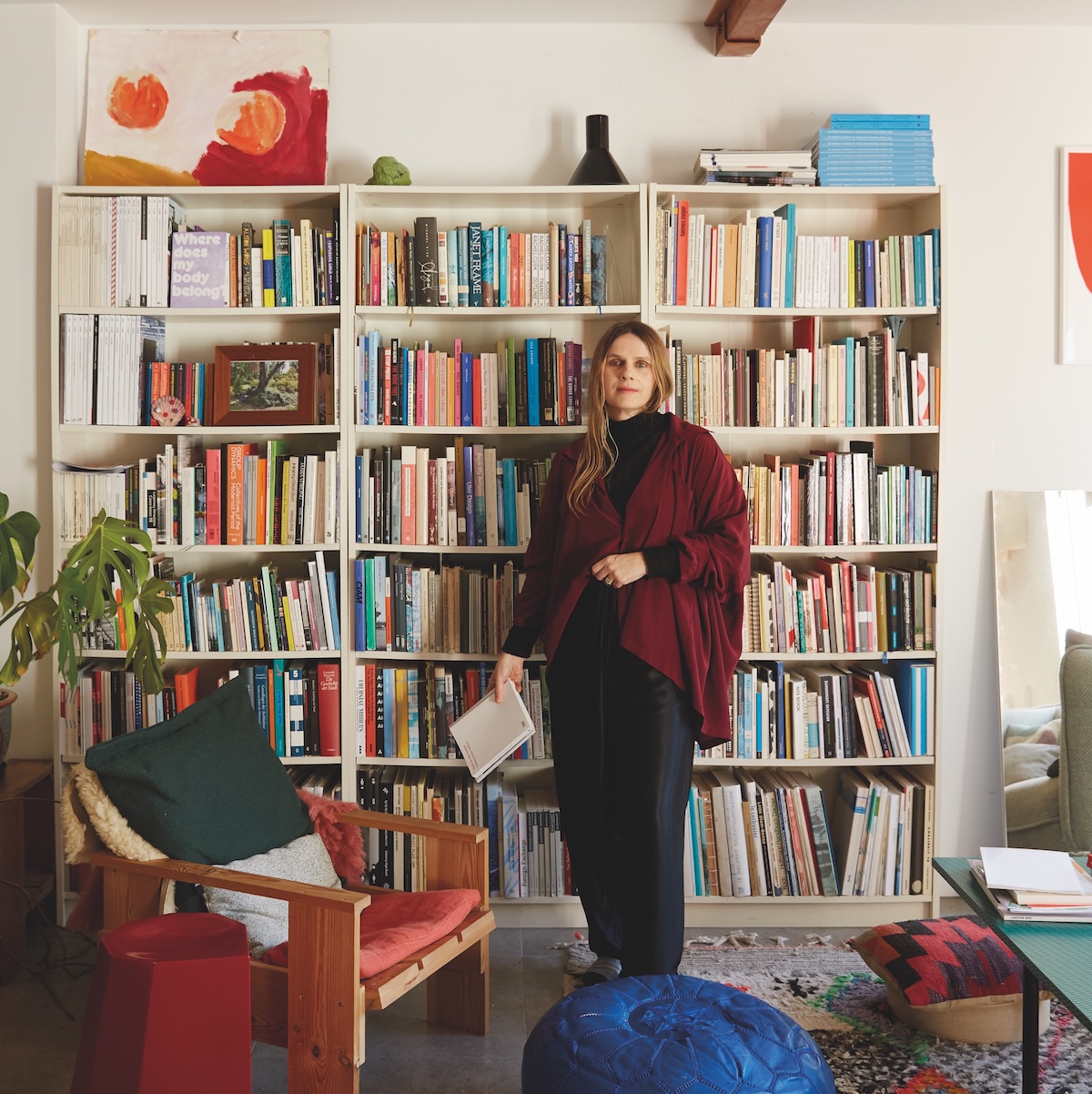
Artist, mother, gallery director, trustee of Māori land holdings: Ruth Buchanan’s life spans a range of roles and responsibilities, each bringing its own demands and perspectives.
In Housekeeping, her second solo exhibition at Coastal Signs, Buchanan brings these overlapping worlds together through drawing, installation and other forms of work. The exhibition explores the intersections of the intimate and the political, and the tensions that emerge when different responsibilities meet.
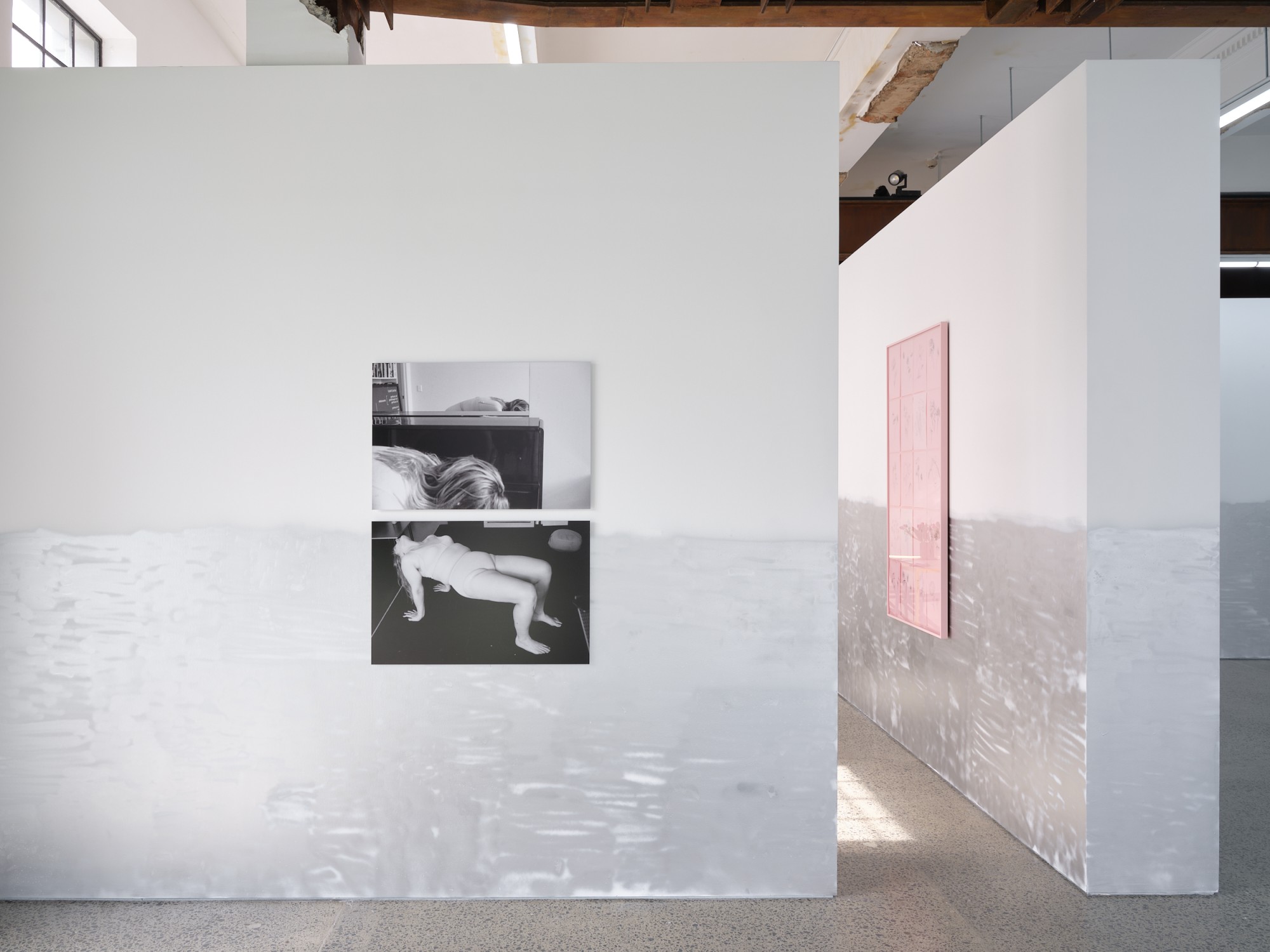
Ruth Buchanan, Housekeeping, 2026 installation view: Coastal Signs, Tāmaki Makaurau Auckland
Your upcoming exhibition at Coastal Signs is titled Housekeeping. The word can suggest domestic routines, maintenance, or the work involved in keeping things in order. What are you exploring in this exhibition, and what drew you to this title?
This exhibition comes at an interesting time for me as I wrap up as Kaitohu Director at Artspace Aotearoa and pour my energy with deep intent into my work as an artist. At this crossing point I’ve been considering the many overlapping zones of life I participate in, the roles I play within them, and the tension this generates. These zones of life span the institutional through to the fully somatic: artist, director, trustee on Orimpukio 22, mother, teacher, and so on. The word housekeeping is interesting as it connects us to ideas and acts of politics and economy and the essential role that the body (people!) play in navigating these territories which ultimately for me has involved a consideration of the explosive power of the intimate within this new work. Housekeeping has been a generative and relatable container to consider the fullness of life, its many contradictions, textures, and intricacies.
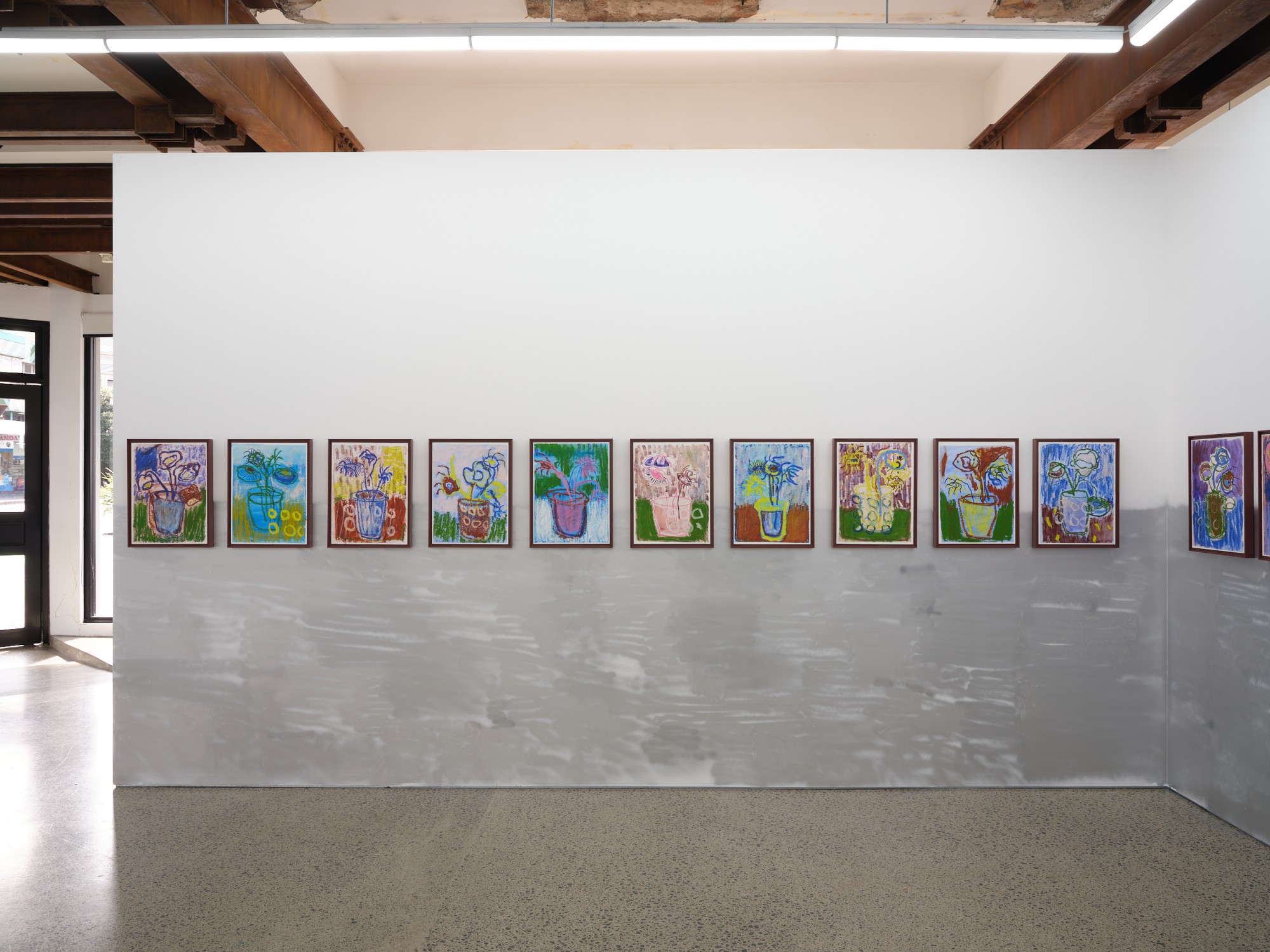
Ruth Buchanan, The Years 1-10, 2026 watercolour, oil stick, oil pastel, acrylic, on Hanhemuhle paper 510 x 390mm each
Your practice moves between visual art, writing, design and exhibition-making. How do these different forms of work inform one another, and does working across them change how you approach making an artwork?
As with housekeeping acting as a container for this diverse body of work, I’m so grateful to have these many formats and vocabularies within my artistic language. By engaging with and drawing from these various discourses that provide lenses through which to process and encounter the world, I’m really just aiming to develop a practice that is robust and dynamic like any functional ecosystem is. You could think of how a forest works or how a musical ensemble works; where there is contrast but also compensation. There are many different ways to do this within an artistic practice, but this is the way that works for me. This impacts the work by allowing me to be moved between registers as I move between contexts and the question that seems necessary to approach. This means sometimes I need to use the register associated with design like bold colours, dynamic scale as in the work in public space in Möchengladback; this might require bringing the work of multiple artists together as with the work at Artspace Aotearoa, Govett-Brewster, or Kunstmuseum Basel; or this might require the quiet power of poetry as with my engagement with the writing of J.C. Sturm. For me, this is what contemporary art enables us to do: to truly confront the world in the round.
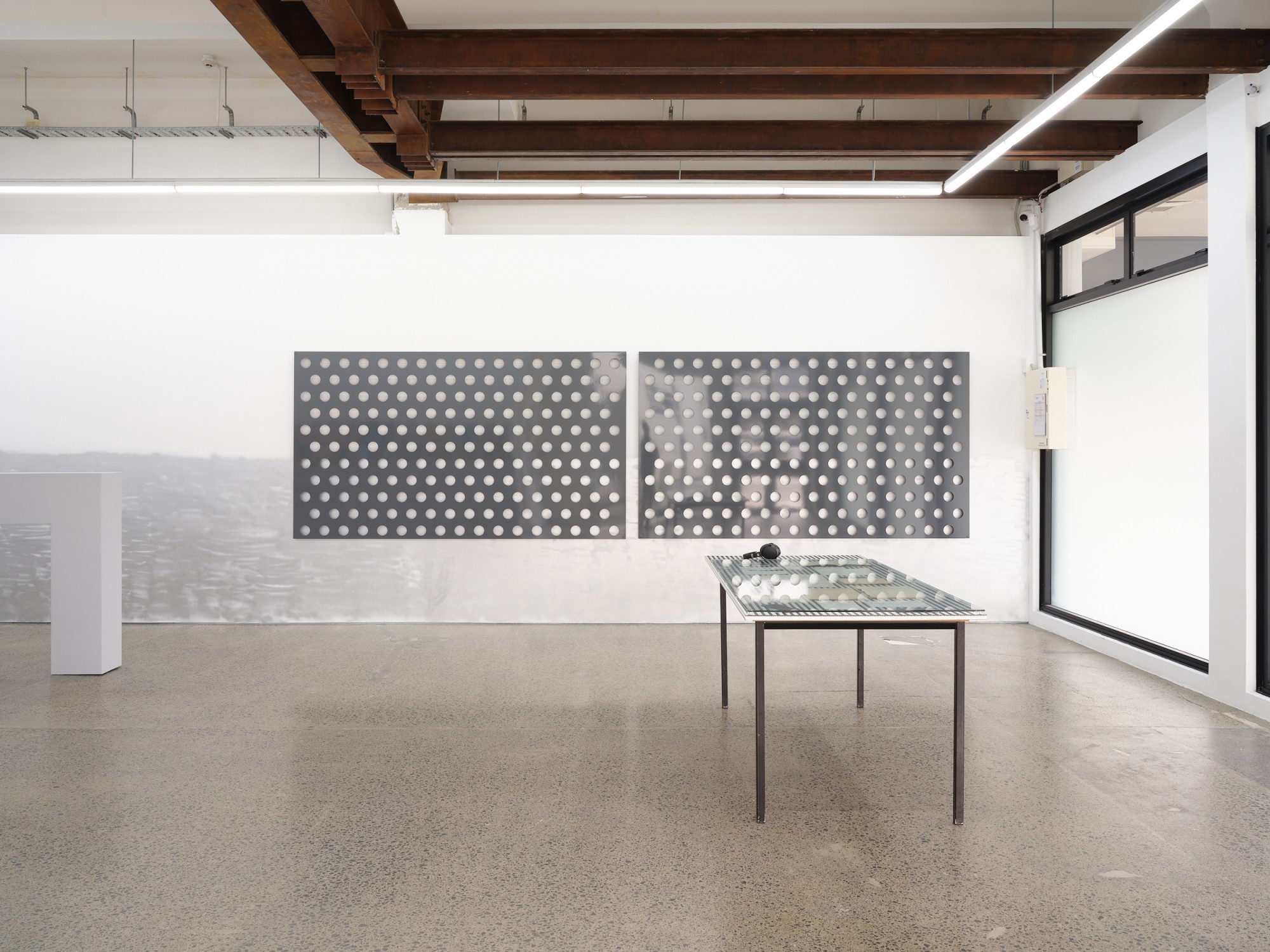
Ruth Buchanan, Housekeeping, 2026 installation view: Coastal Signs, Tāmaki Makaurau Auckland
You have worked extensively across Europe and internationally. How has working in those contexts shaped your perspective on the local art scene?
I have always enjoyed the productive tension that the exchange between Aotearoa and central Europe contexts has provided my practice since 2005. This tension and exchange has been a site of ongoing learning for me, and this is a wonderful spine to underpin and support a practice in the long term. I think the biggest impact of this has been the unfixing of perspective and a genuine desire to open up and out sitting at the heart of the practice. It underscores to me that any local scene must continually insist that nothing is closed, not even history and that every relationship or situation can be otherwise.